

 中文简体
中文简体 русский
Why Double Head Chamfering Machines Are Becoming Essential in High-Precision Metal Processing
 2026.01.21
 Industry News
Content
Understanding the Role of a Double Head Chamfering Machine
A Double Head Chamfering Machine is designed to chamfer or bevel both ends of a workpiece simultaneously. This configuration significantly improves efficiency and consistency, especially in high-volume metal processing environments. By machining both ends in a single cycle, the machine minimizes handling time and reduces dimensional variation caused by repeated repositioning.
These machines are widely used for processing metal rods, tubes, pipes, and bars where clean edges are required for assembly, welding, or safety purposes. Compared with single-head chamfering solutions, the double-head design ensures better symmetry and higher throughput.
Key Structural Components and Working Principle
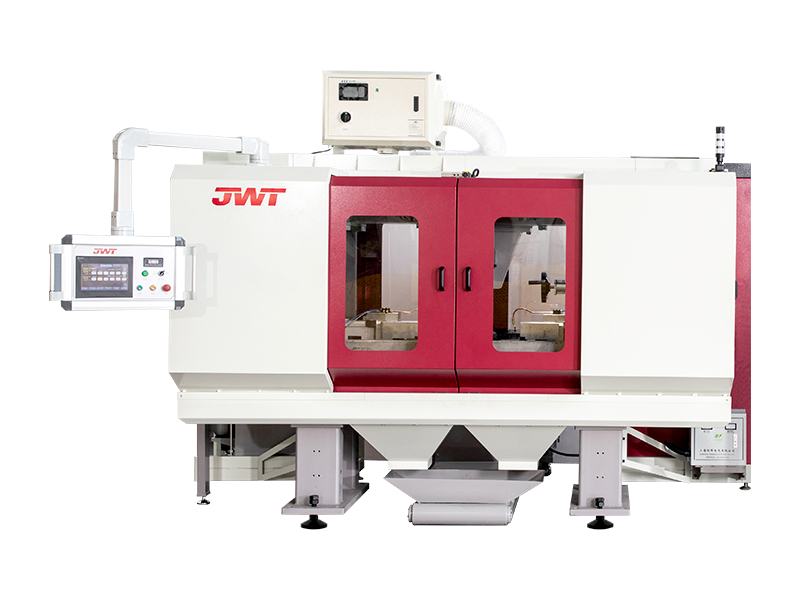
The core structure of a Double Head Chamfering Machine typically includes two chamfering heads mounted on a rigid base, a synchronized feed system, clamping units, and a control panel. The workpiece is fixed securely while both heads move inward or rotate to perform chamfering at both ends.
Chamfering Heads and Tooling
Each chamfering head is equipped with cutting tools selected according to material type and chamfer angle. Carbide or high-speed steel tools are commonly used to ensure durability and stable cutting performance. Independent or synchronized adjustment allows precise control over chamfer depth and angle.
Clamping and Feeding System
The clamping system holds the workpiece firmly to prevent vibration during cutting. Automated feeding systems, such as hydraulic or servo-driven mechanisms, help maintain consistent positioning, making the machine suitable for batch production.
Practical Advantages in Industrial Applications
- Higher productivity by chamfering both ends in a single operation.
- Improved dimensional consistency and symmetrical chamfers.
- Reduced labor intensity and lower handling-related damage.
- Enhanced safety by eliminating sharp edges on finished parts.
Typical Materials and Processing Capabilities
Double Head Chamfering Machines are suitable for a wide range of materials, including carbon steel, stainless steel, aluminum, copper, and alloy steels. The machine’s rigidity and adjustable cutting parameters allow it to handle different diameters and lengths with stable results.
| Material Type | Common Applications | Chamfer Purpose |
| Carbon Steel | Mechanical shafts, fasteners | Assembly and safety |
| Stainless Steel | Pipes, medical components | Welding preparation |
| Aluminum | Structural frames | Surface finishing |
Selection Tips for the Right Double Head Chamfering Machine
When choosing a Double Head Chamfering Machine, manufacturers should evaluate workpiece dimensions, material hardness, required chamfer angles, and production volume. Machines with adjustable spindle speed and automated control systems offer greater flexibility for varied production needs.
Additionally, ease of maintenance, tool change efficiency, and overall machine rigidity directly affect long-term operational cost and machining accuracy. Selecting a model aligned with specific production requirements ensures optimal return on investment.
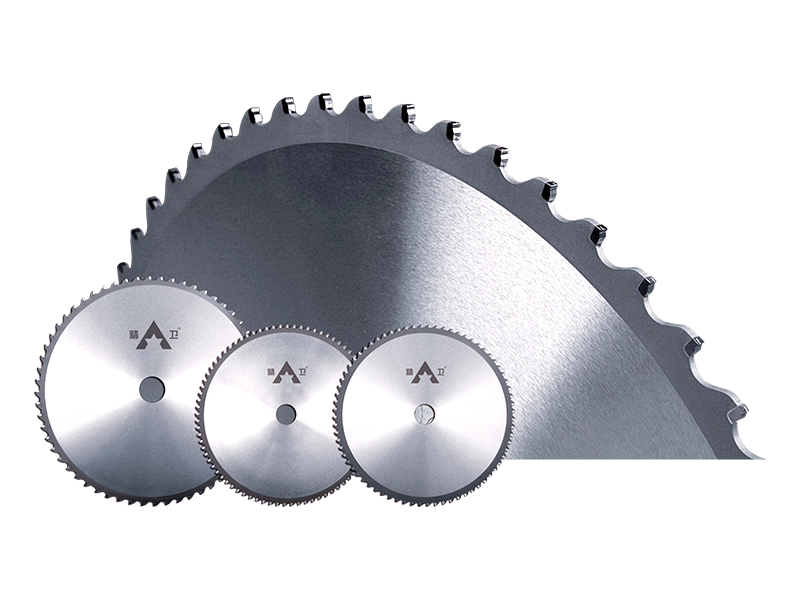
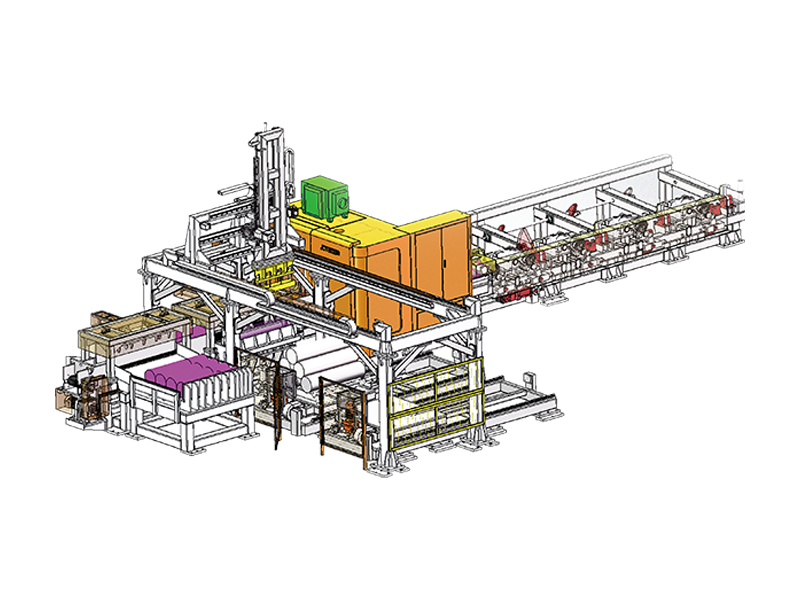
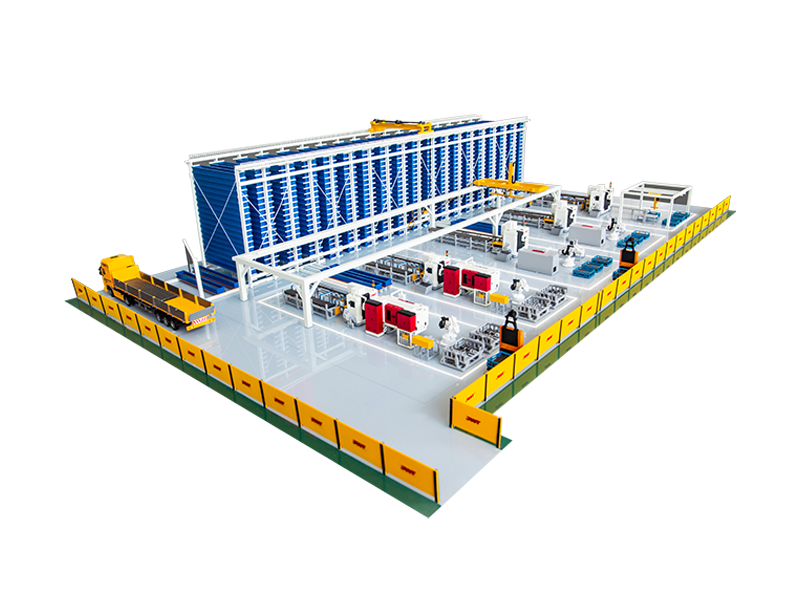
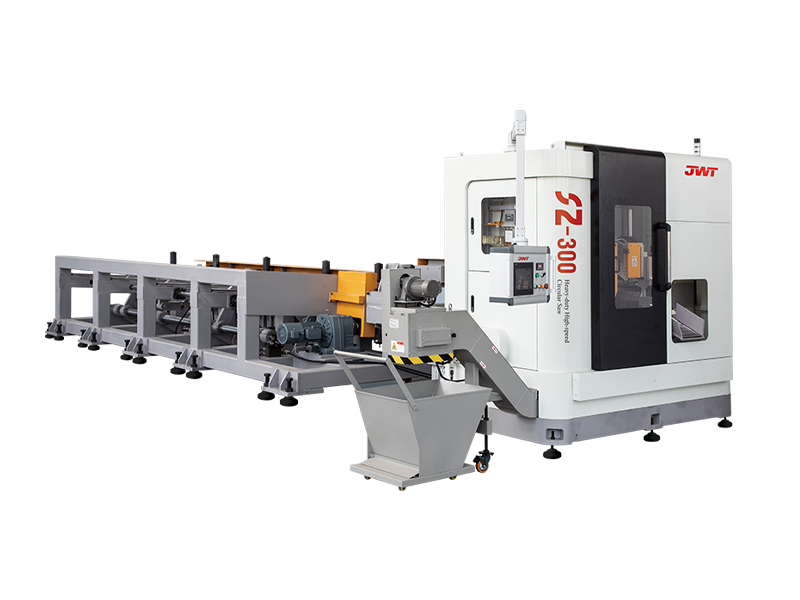
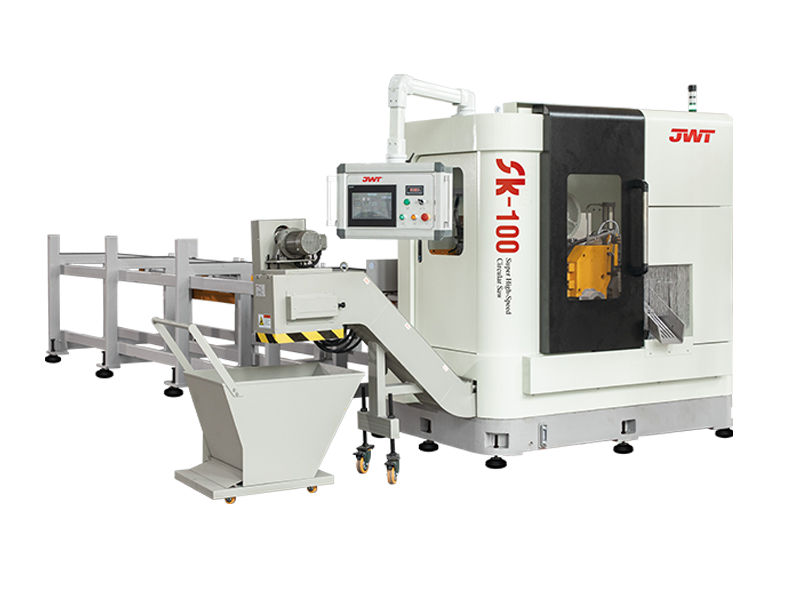

If you are interested in our Circular Saw Machine or production line, please consult us
CONTACT DETAILS
Zhejiang Jingweite Machine Tool Co.,Ltd.
- No.661 Jiyi Road, Wanghai Hi-tech Industrial Park, Haiyan, Jiaxing City, Zhejiang Province
- TEL:+86-0573-86035661
- E-Mail: [email protected]
Products
Quick link
Mobile terminal
