

 中文简体
中文简体 русский
Is Your Industrial Circular Saw Machine Delivering Maximum Precision? 5 Keys to Optimization
 2026.01.14
 Industry News
Content
Core Components and Mechanical Design
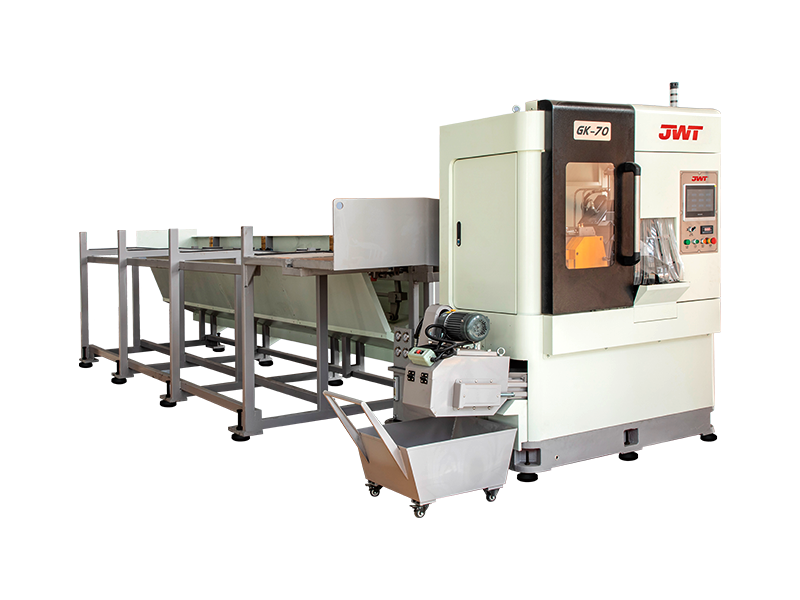
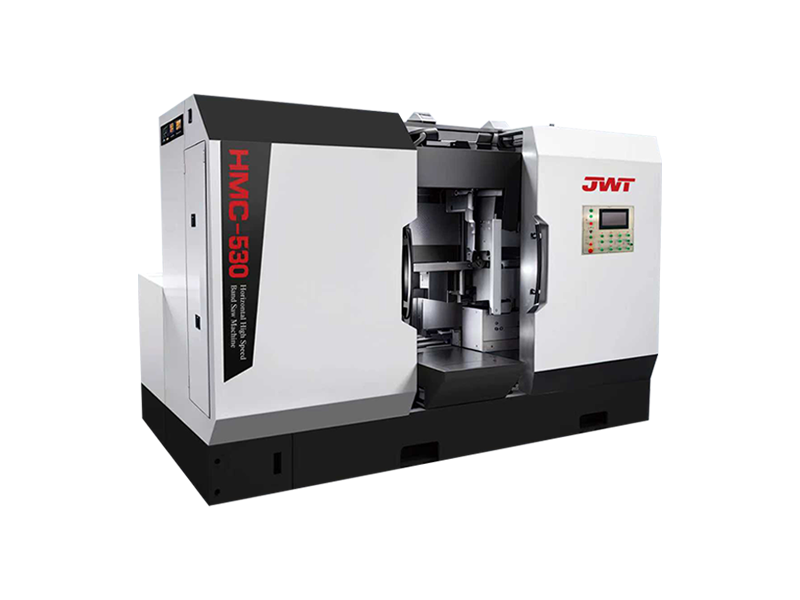
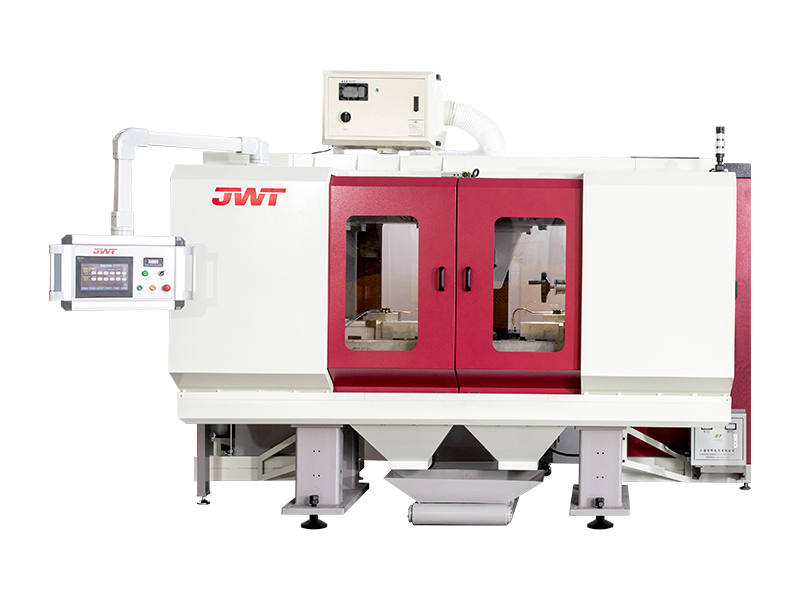
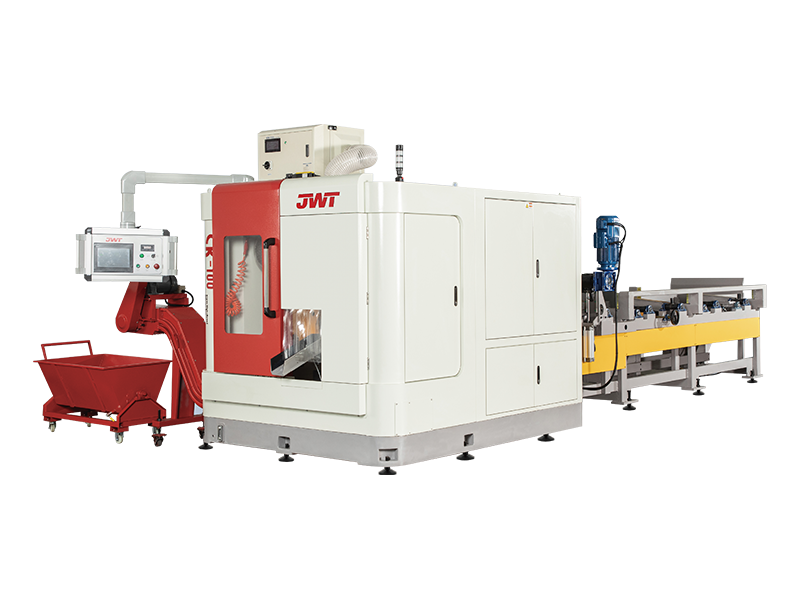
The modern industrial circular saw machine is a marvel of heavy-duty engineering designed for continuous operation in high-output environments. Unlike handheld versions, these stationary powerhouses utilize a massive induction motor linked to a precision-ground arbor. The stability of the machine is rooted in its cast-iron base, which absorbs micro-vibrations that could otherwise lead to kerf deviations or rough finishes. High-end models often incorporate a sliding table mechanism with linear bearings to ensure that even the heaviest workpieces move across the blade with minimal friction and maximum alignment accuracy.
Drive Systems and Power Transmission
The transmission system determines the torque delivery of the saw. Most industrial units use a multi-V-belt drive system to transfer power from the motor to the blade spindle. This design allows for a slight slip in the event of a material jam, protecting the motor from burning out. Advanced CNC-integrated circular saws may use direct-drive brushless motors for variable speed control, allowing operators to adjust the Revolutions Per Minute (RPM) based on the specific density and thermal properties of the material being cut.
Selecting the Right Blade for Industrial Applications
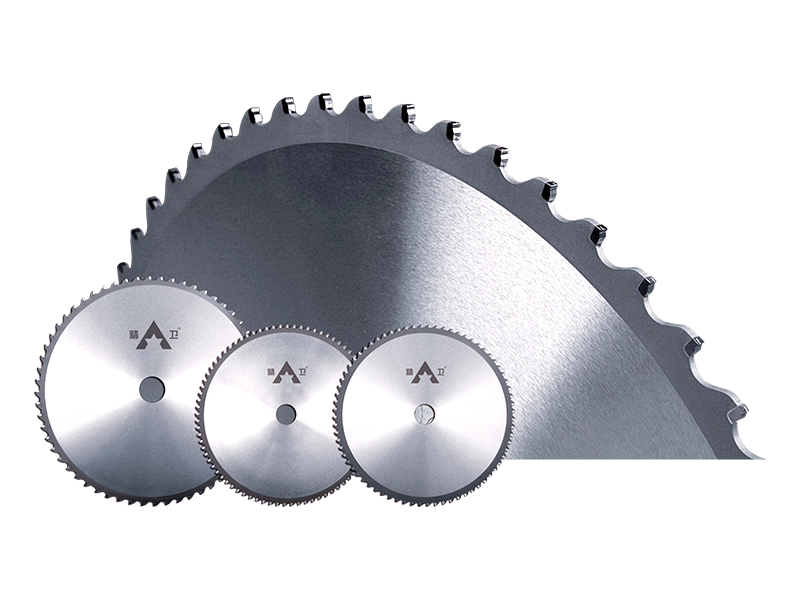
Blades are the primary consumable in any industrial cutting operation, and selecting the correct geometry is vital for cost-efficiency. Industrial blades are typically tipped with Tungsten Carbide (TCT) or Polycrystalline Diamond (PCD) to withstand the high heat generated during long production runs. The tooth count and grind profile—such as Flat Top Grind (FTG) for ripping or Alternate Top Bevel (ATB) for crosscutting—must be matched to the material to prevent splintering and reduce the load on the machine's motor.
| Material Type | Recommended Tooth Grind | Standard Tooth Count |
| Hardwood Ripping | Flat Top (FTG) | 24 - 30 |
| Melamine / Laminates | Triple Chip Grind (TCG) | 60 - 80 |
| Non-Ferrous Metals | Modified TCG | 80 - 100 |
Operational Safety and Precision Calibration
Safety in an industrial setting goes beyond simple blade guards. Modern machines are equipped with riving knives that move with the blade to prevent kickback, a common cause of workshop accidents. Furthermore, high-frequency braking systems are standard, capable of stopping a high-speed blade in under three seconds. Calibration is equally important; a deviation of even 0.5 degrees in the fence alignment can result in "heeling," where the back of the blade burns the wood or stalls the motor due to excessive friction.
Key Maintenance Protocols
To ensure the longevity of an industrial circular saw, a strict maintenance schedule must be followed. Dust accumulation is the primary enemy of precision machinery, as it can clog adjustment gears and lead to overheating in the motor housing.
- Daily cleaning of the tabletop and blade to remove resin and pitch buildup.
- Weekly inspection of drive belts for signs of fraying or tension loss.
- Monthly lubrication of the trunnion and tilt mechanisms with dry PTFE lubricant.
- Quarterly verification of arbor runout using a dial indicator to ensure blade flatness.
Integrating Automation and Digital Controls
The latest generation of industrial circular saws features digital rip fences and programmable logic controllers (PLCs). These systems allow operators to input dimensions into a touchscreen interface, after which the machine automatically adjusts the fence and blade height to within a thousandth of an inch. This integration reduces human error and significantly increases throughput in "batch-of-one" manufacturing environments, where every cut might require different dimensions. Digital tracking also provides data on blade wear and power consumption, enabling predictive maintenance strategies.
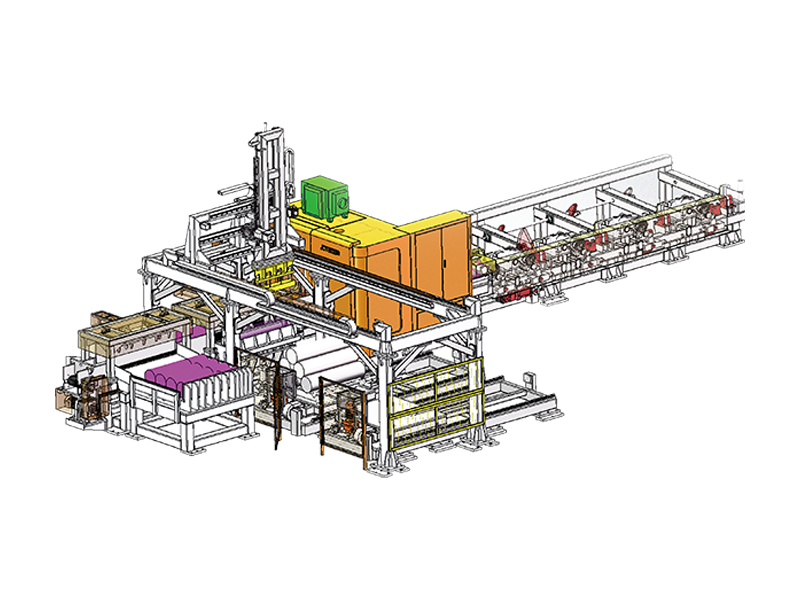
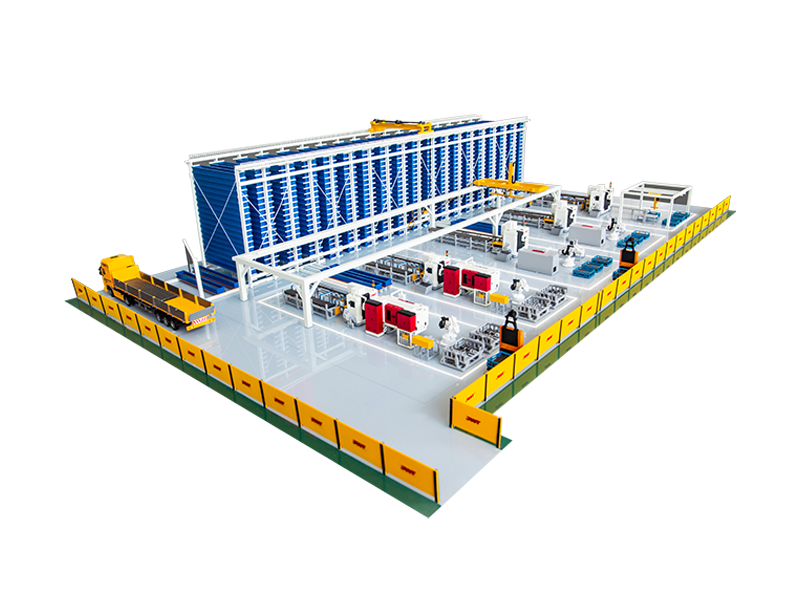
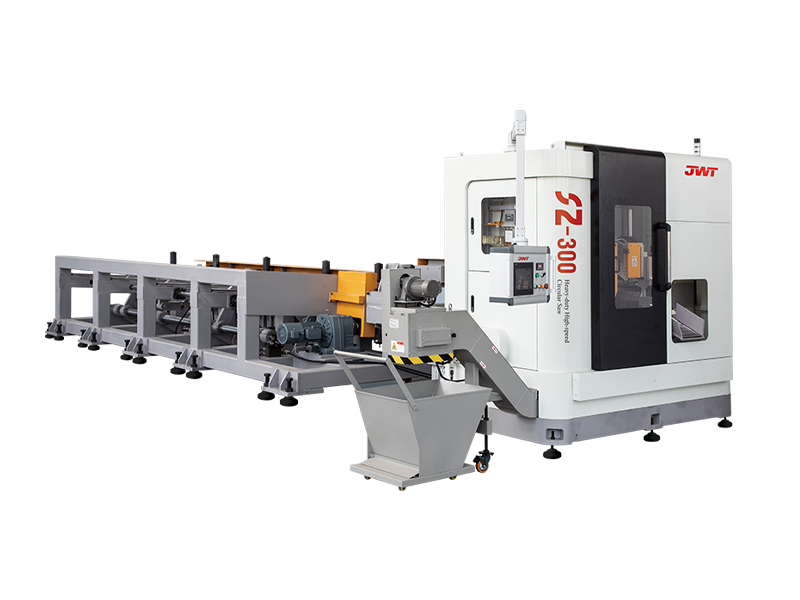
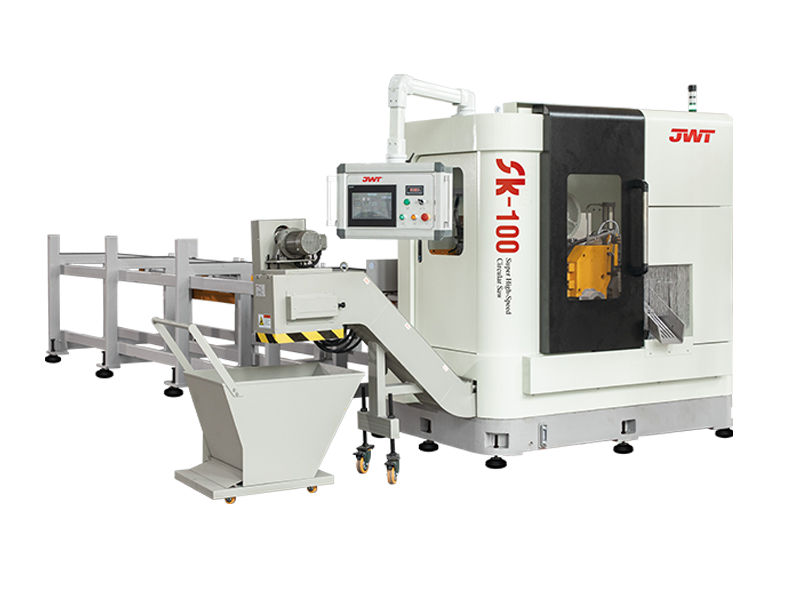

If you are interested in our Circular Saw Machine or production line, please consult us
CONTACT DETAILS
Zhejiang Jingweite Machine Tool Co.,Ltd.
- No.661 Jiyi Road, Wanghai Hi-tech Industrial Park, Haiyan, Jiaxing City, Zhejiang Province
- TEL:+86-0573-86035661
- E-Mail: [email protected]
Products
Quick link
Mobile terminal
