

 中文简体
中文简体 русский
Mastering Precision and Efficiency: The Ultimate Guide to Circular Saw Machine Tools
 2026.01.27
 Industry News
Content
Introduction to Circular Saw Machine Tools
Circular saw machine tools are essential in modern woodworking, metalworking, and construction industries. Designed for high-speed and precise cutting, these machines have evolved from simple manual saws to fully automated systems capable of handling complex materials. Understanding their functionality, types, and best practices is crucial for maximizing efficiency and maintaining safety in the workshop.
Key Components and Mechanisms
A circular saw machine tool consists of several critical components that determine its performance. The most important parts include the motor, saw blade, arbor, guide rail, and safety mechanisms. The motor provides the rotational power, while the blade's material and teeth design dictate cutting precision and efficiency. Proper maintenance of these components ensures longevity and consistent performance.
Motor and Power Considerations
Circular saw motors vary from single-phase to three-phase configurations, depending on industrial requirements. Higher horsepower motors allow for faster cutting speeds and the ability to handle thicker materials. For metal cutting, machines often use motors with torque control to prevent blade damage and maintain smooth operations.
Blade Types and Material Compatibility
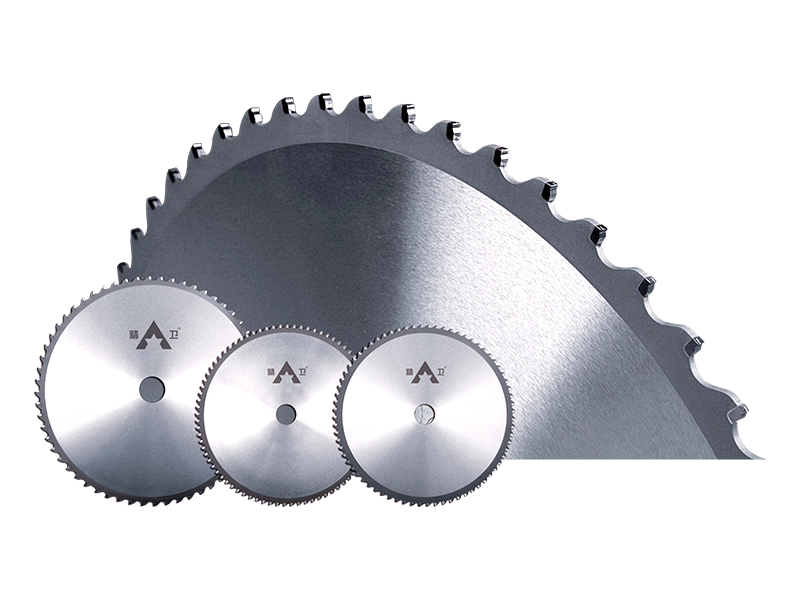
Selecting the right blade is critical for efficiency and precision. Blades are made from high-speed steel, carbide-tipped materials, or diamond-coated edges. Each blade type is suitable for specific materials, such as wood, aluminum, steel, or composite materials. The teeth per inch (TPI) and blade thickness influence cut quality and speed.
Applications Across Industries
Circular saw machines are widely applied in various industries due to their versatility. They are used in woodworking for furniture production, in metalworking for cutting sheets and bars, and in construction for on-site material sizing. Automated CNC circular saws are increasingly popular for high-volume production, providing consistent cuts and reducing manual labor.
Woodworking Applications
In woodworking, circular saw machines excel at cross-cutting, rip cutting, and bevel cuts. Modern machines include precision guides, laser indicators, and adjustable speed controls to achieve clean edges and minimize material waste. CNC saws further enhance productivity for large-scale furniture and cabinetry manufacturing.
Metalworking Applications
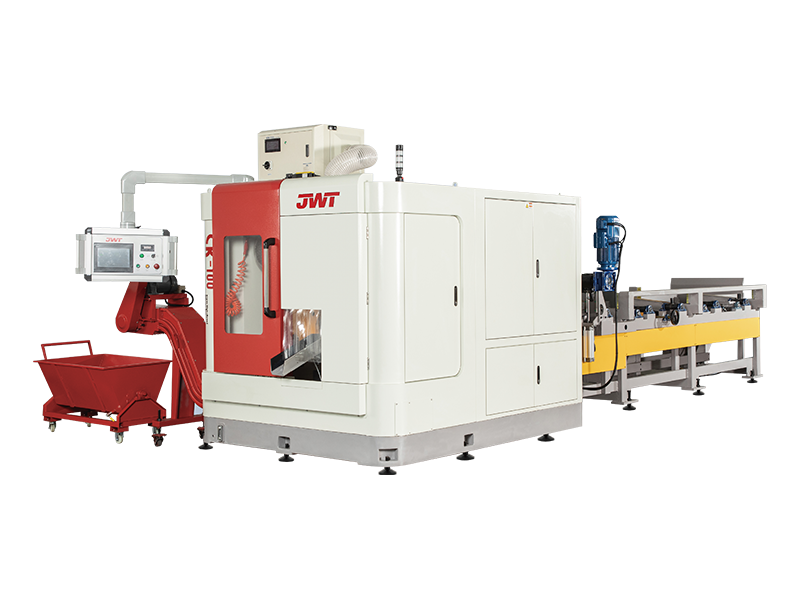
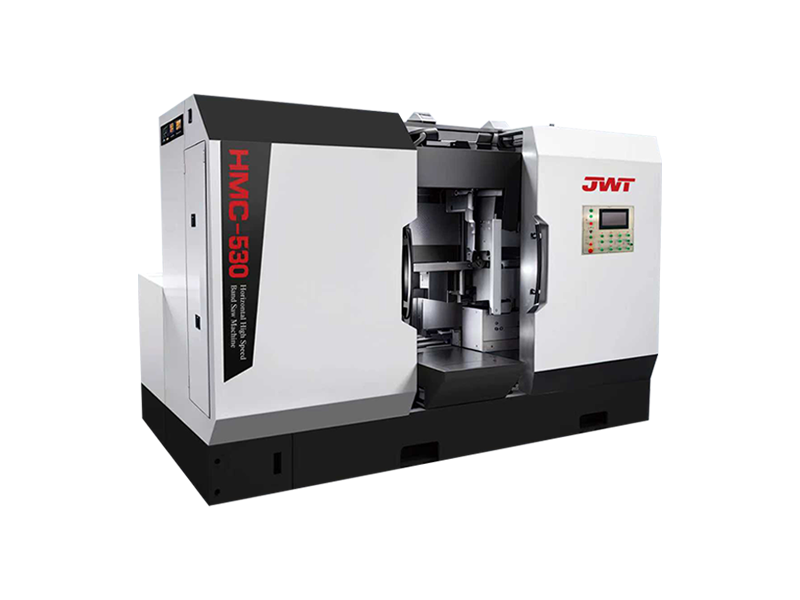
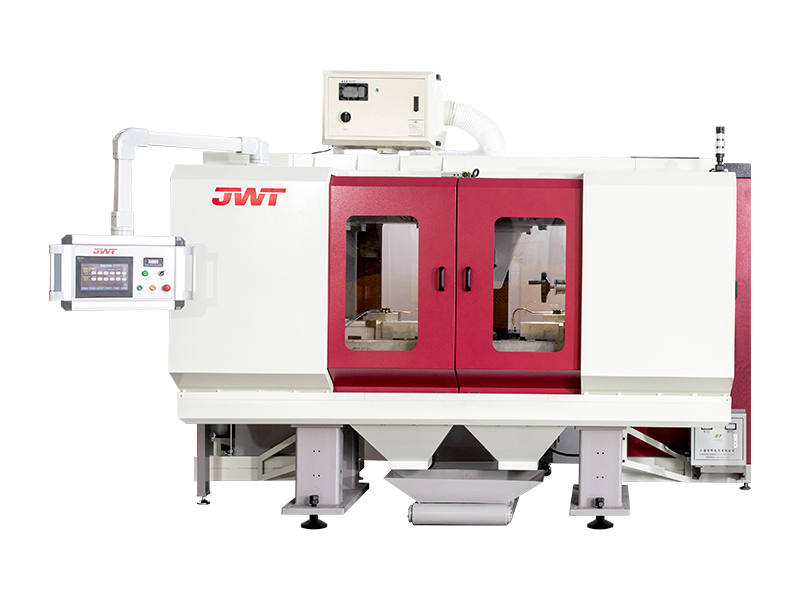
Metal circular saw machines handle steel, aluminum, and other alloys with precision. They use coolant systems to prevent overheating and maintain blade integrity. Automatic feed systems and adjustable angles allow for accurate mitre cuts, reducing manual intervention and improving repeatability.
Safety and Maintenance Practices
Operating a circular saw machine requires strict adherence to safety standards. Protective guards, emergency stop buttons, and proper PPE are mandatory. Regular maintenance, such as blade sharpening, lubrication of moving parts, and motor inspections, ensures the machine functions safely and efficiently.
Routine Maintenance Tips
- Inspect and replace worn or damaged blades to prevent uneven cuts and accidents.
- Clean sawdust, metal shavings, or debris regularly to maintain smooth operation.
- Check alignment of the blade and guide rails for precise cuts.
- Lubricate moving parts according to manufacturer recommendations.
- Monitor motor temperature and ensure electrical connections are secure.
Safety Precautions
- Always wear safety goggles, gloves, and hearing protection.
- Keep hands away from the cutting path and use push sticks when necessary.
- Ensure the machine is properly grounded to prevent electrical hazards.
- Do not force the material; let the saw blade cut at its natural speed.
- Turn off and unplug the machine before performing maintenance or blade changes.
Conclusion
Circular saw machine tools are indispensable for precision cutting in woodworking, metalworking, and construction industries. Choosing the right machine, blade, and adhering to proper maintenance and safety protocols can significantly improve productivity, reduce material waste, and extend the machine’s service life. With technological advancements like CNC automation and laser guides, circular saw machines continue to set the standard for efficiency and accuracy in modern manufacturing.

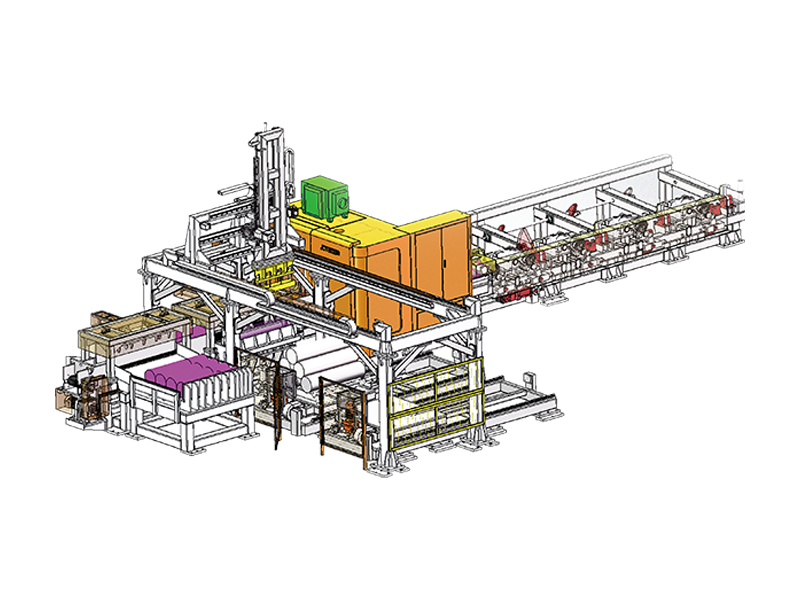
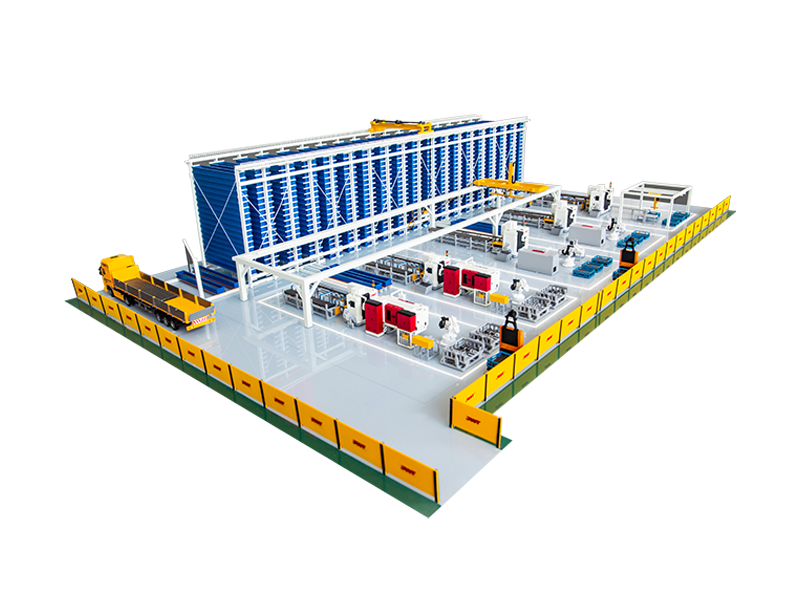
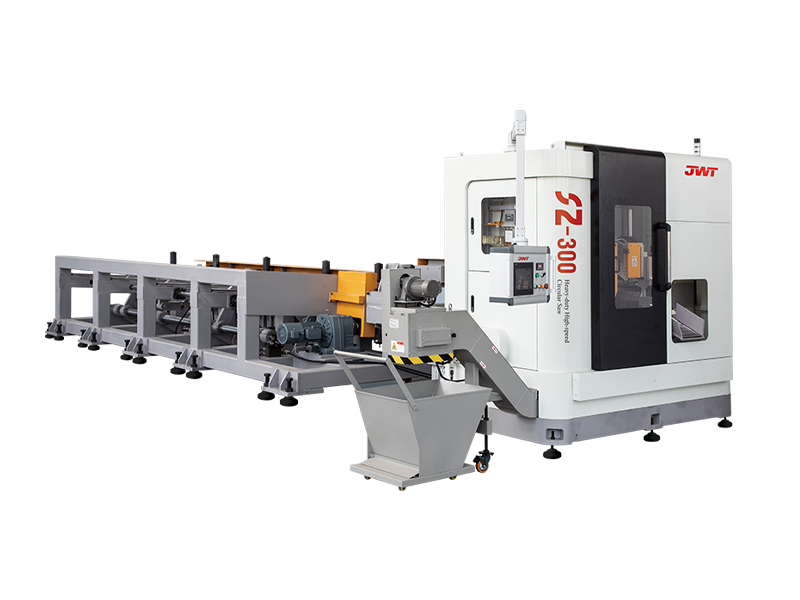
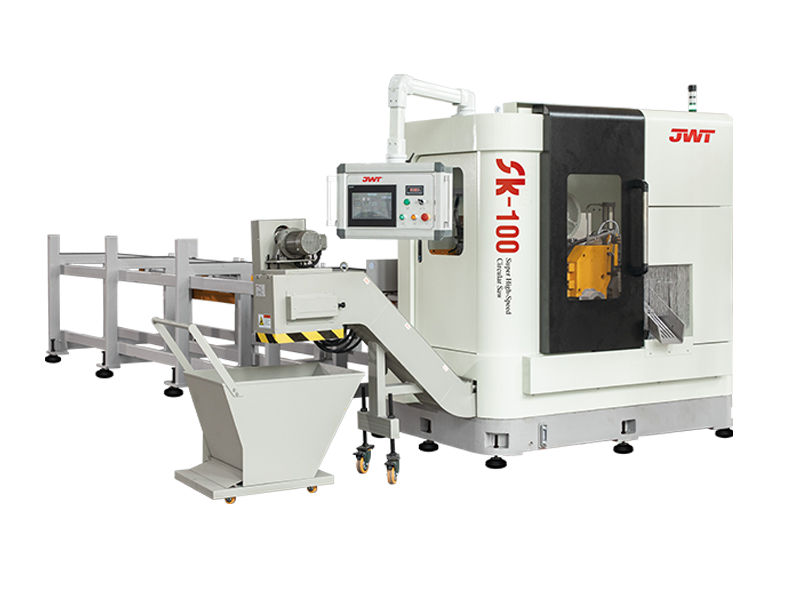

If you are interested in our Circular Saw Machine or production line, please consult us
CONTACT DETAILS
Zhejiang Jingweite Machine Tool Co.,Ltd.
- No.661 Jiyi Road, Wanghai Hi-tech Industrial Park, Haiyan, Jiaxing City, Zhejiang Province
- TEL:+86-0573-86035661
- E-Mail: [email protected]
Products
Quick link
Mobile terminal
