

 中文简体
中文简体 русский
What to Know Before Buying a Circular Saw Machine from China
 2026.07.01
 Industry News
Content
- 1 Why Buyers Source Circular Saw Machines from China
- 2 Main Types of Circular Saw Machines Available from Chinese Manufacturers
- 3 Key Specifications to Compare Across Models
- 4 How to Evaluate Chinese Circular Saw Machine Suppliers
- 5 Common Issues Buyers Encounter and How to Avoid Them
- 6 Price Ranges and What They Reflect
- 7 Getting the Most Out of Your Purchase
Why Buyers Source Circular Saw Machines from China
China has become one of the most active manufacturing hubs for industrial cutting equipment, and circular saw machines are no exception. Chinese manufacturers now produce a wide range of saw machines that cover wood processing, metal fabrication, aluminum cutting, and plastic profiles — often at price points significantly lower than equivalent European or North American brands. For buyers in construction, furniture manufacturing, metal workshops, and profile extrusion, sourcing a circular saw machine from China can substantially reduce capital equipment costs without sacrificing core performance.
That said, the range of quality across Chinese suppliers varies widely. Understanding what separates a reliable China circular saw machine from a poorly built one requires more than comparing price sheets. This guide breaks down the key considerations buyers should work through before making a purchase decision.
Main Types of Circular Saw Machines Available from Chinese Manufacturers
Before approaching suppliers, it helps to define exactly which type of circular saw machine fits your production line. Chinese manufacturers produce several distinct categories, each suited to different materials and cutting applications.
Wood Circular Saw Machine
Used in furniture factories, timber mills, and woodworking shops, these machines handle solid wood, plywood, MDF, and particleboard. They typically feature carbide-tipped blades, adjustable rip fences, and tilting blade heads for bevel cuts. Higher-end models include automatic feeding systems and digital angle controls.
Metal Circular Cold Saw Machine
Cold saw machines are designed for cutting steel bars, tubes, pipes, and structural profiles without generating excessive heat. Unlike abrasive cutoff saws, cold saws use low-speed, high-torque cutting with coolant application, resulting in cleaner edges and longer blade life. These are commonly used in steel fabrication and structural metalwork.
Aluminum Circular Saw Machine
Specifically configured for non-ferrous metals, aluminum saw machines run at higher RPMs with fine-tooth blades optimized for burr-free cuts. They are widely used in window and door frame manufacturing, curtain wall fabrication, and solar panel frame production.
Automatic and CNC Circular Saw Machine
For high-volume operations, fully automatic or CNC-controlled circular saw machines offer programmable cutting lengths, automatic material feeding, and data-driven production tracking. These are increasingly available from mid-to-large Chinese manufacturers and are suitable for buyers looking to minimize manual labor on repetitive cutting tasks.
Key Specifications to Compare Across Models
When reviewing machine specs from different suppliers, the following parameters have the most direct impact on output quality and suitability for your application.
| Specification | What It Affects | What to Look For |
| Blade Diameter | Maximum cutting depth and material size | Match to your thickest or widest workpiece |
| Motor Power (kW) | Cutting speed and ability to handle dense materials | Higher kW for hardwood, steel, or continuous-use lines |
| Blade Speed (RPM) | Cut finish quality and material suitability | Lower for metal, higher for aluminum and wood |
| Cutting Angle Range | Versatility for miter or bevel cuts | 0–45° or 0–60° depending on application |
| Feed System | Throughput and operator labor requirement | Manual, semi-auto, or fully automatic |
| Table Size and Construction | Stability and support for large workpieces | Cast iron tables preferred over welded steel for heavy use |
Always request the full technical datasheet from the supplier rather than relying on catalog summaries. Specifications listed on product pages are sometimes rounded or represent best-case values rather than typical operating performance.
How to Evaluate Chinese Circular Saw Machine Suppliers
The supplier you choose matters as much as the machine itself, especially when purchasing from overseas. Here are the practical checkpoints worth running through before committing to an order.
- Factory verification: Confirm whether the supplier is an actual manufacturer or a trading company reselling third-party machines. Factories typically offer better pricing, more customization options, and more reliable technical support after the sale.
- Certifications: Look for CE marking for machines destined for European markets, or check whether the supplier can provide ISO 9001 quality management certification as a baseline indicator of production consistency.
- Export experience: Suppliers who regularly export know how to handle customs documentation, packing for sea freight, and voltage or safety standard adjustments for different markets. Inexperienced exporters can create significant delays.
- Sample cuts or video testing: Reputable suppliers should be able to provide video footage of the machine running on your target material, or conduct a live demonstration if your order volume justifies a factory visit.
- Spare parts availability: Confirm that key wear parts — blades, bearings, feed rollers — are stocked locally or available with short lead times. Machines that sit idle waiting for imported parts are a recurring problem with lower-tier suppliers.
- After-sales support: Ask specifically how they handle technical issues post-delivery — whether through on-site engineers, remote video guidance, or simply a manual. The answer reveals a lot about how they treat buyers after payment is made.
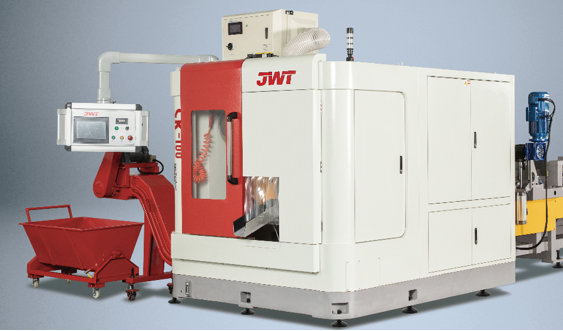
Common Issues Buyers Encounter and How to Avoid Them
Importing a circular saw machine from China is generally straightforward when you work with experienced suppliers, but there are recurring problems that first-time buyers tend to run into.
Voltage and Electrical Compatibility
Chinese manufacturers typically build machines for 380V/50Hz three-phase power as standard. Buyers in countries using 220V, 460V, or 60Hz systems need to specify their power requirements upfront. Retrofitting electrical components after delivery is costly and can void warranty terms.
Blade Quality Shipped with the Machine
Entry-level circular saw machines from China are often shipped with basic starter blades that may not reflect the machine's actual cutting capability. It's worth clarifying whether the included blade is suitable for your material or whether you'll need to source a better blade separately from the outset.
Packaging and Freight Damage
Heavy machinery is vulnerable to damage during sea freight if not packed properly. Request photos of the packing process and confirm that the machine will be secured on a reinforced wooden pallet with appropriate bracing. Inspection before loading at the factory, or use of a third-party inspection service, significantly reduces the risk of receiving a damaged unit.
Price Ranges and What They Reflect
China circular saw machine prices span a wide range depending on type, size, automation level, and build quality. As a general reference:
- Basic manual wood circular saw machines start from around $300–$800 USD for light workshop use.
- Industrial-grade wood panel saws with sliding tables typically range from $1,500–$6,000 USD depending on table size and motor power.
- Metal cold circular saw machines for structural steel range from $2,000–$15,000 USD based on cutting diameter and automation.
- Fully automatic or CNC circular saw machines can run from $10,000 to over $50,000 USD for high-throughput lines.
Price differences within the same category usually reflect motor brand (domestic Chinese vs. branded imports like Siemens or ABB), structural casting quality, control system sophistication, and the supplier's after-sales infrastructure. The lowest quote is rarely the best value when total cost of ownership is factored in.
Getting the Most Out of Your Purchase
Once you've selected a supplier and machine model, a few practical steps help protect your investment. Negotiate a clear warranty period in writing — 12 months is standard for most Chinese industrial circular saw machines, with some manufacturers offering up to 24 months on key components. Define in the contract what the warranty covers and the process for claiming it.
Request installation and commissioning documentation in your language if possible, or at minimum in English. Machines with only Chinese-language manuals create real operational problems for overseas buyers during setup and troubleshooting. If your supplier provides remote video commissioning support, confirm this before shipment rather than assuming it will be available when needed.
Finally, build a relationship with the supplier rather than treating it as a one-off transaction. Suppliers who see you as a repeat buyer are more responsive to technical questions, faster on spare parts, and more willing to accommodate customization requests on future orders.
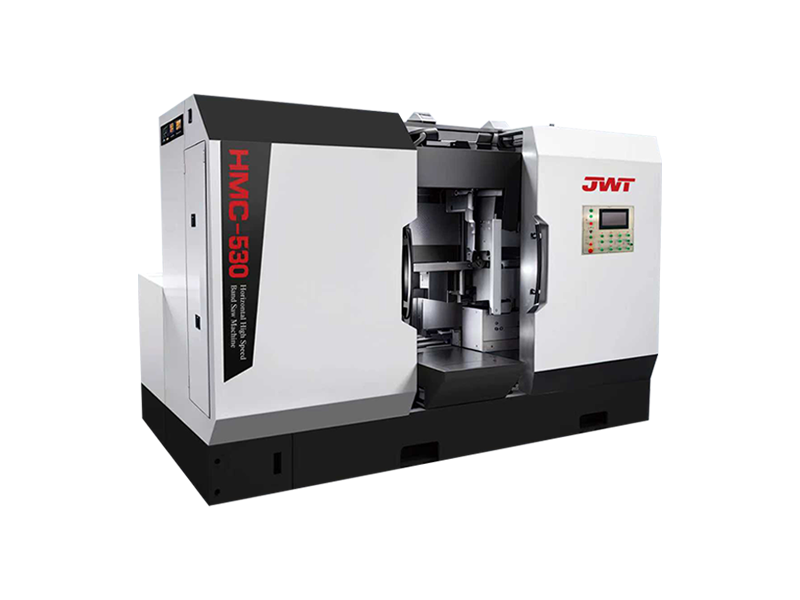
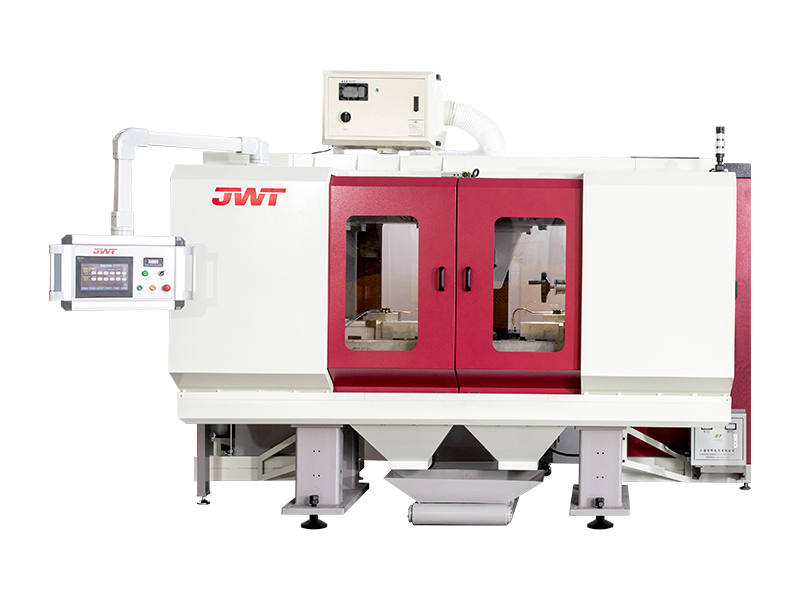
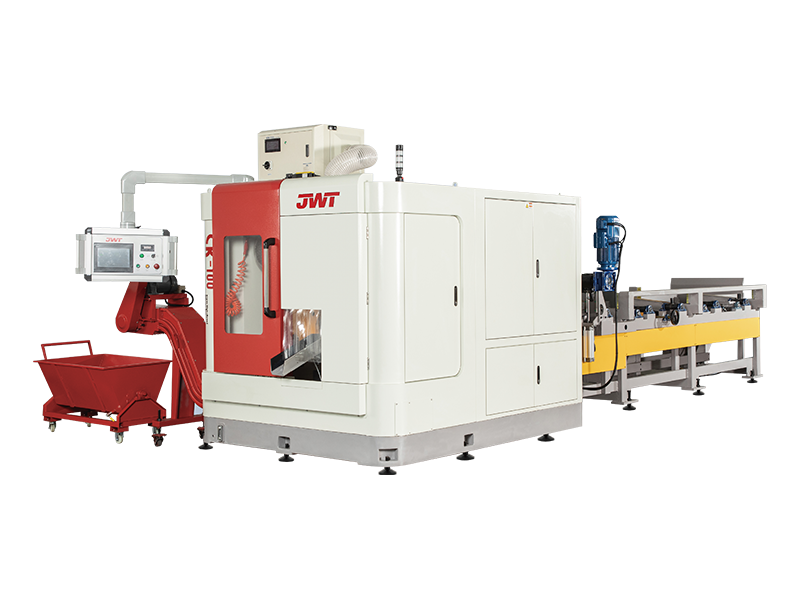
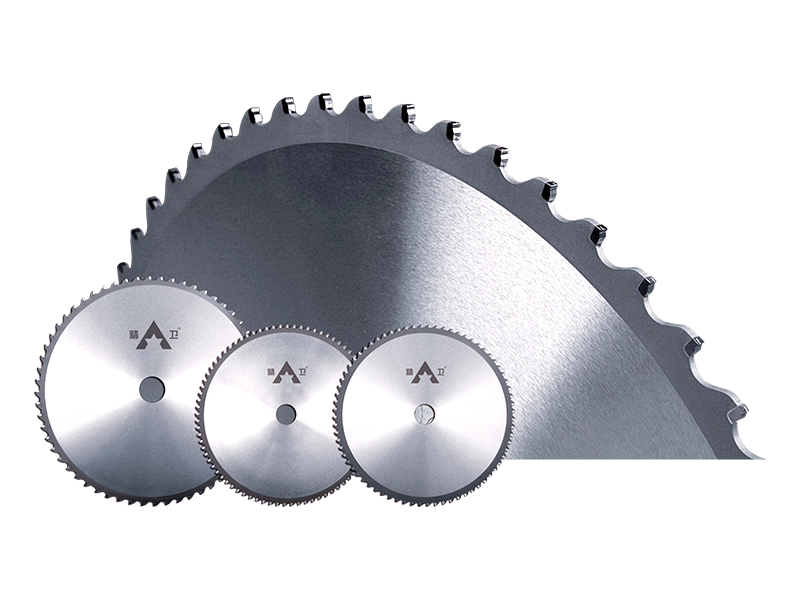
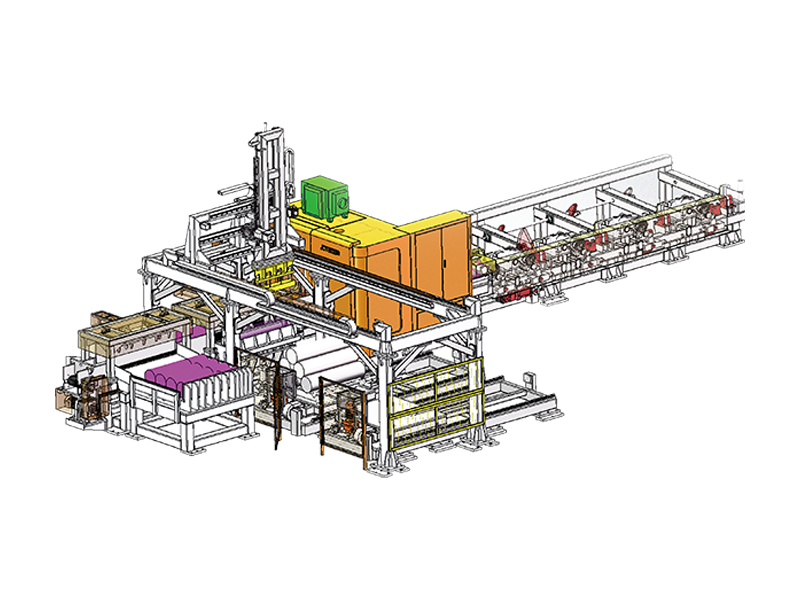
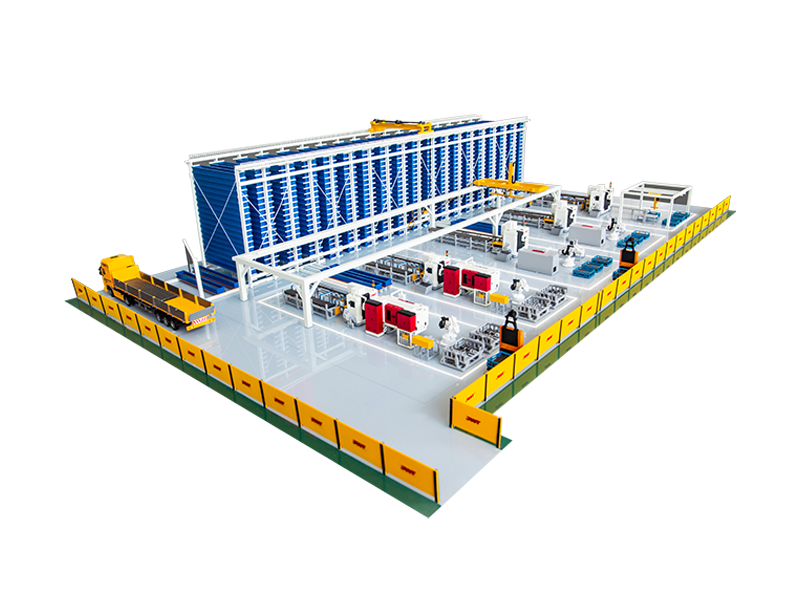
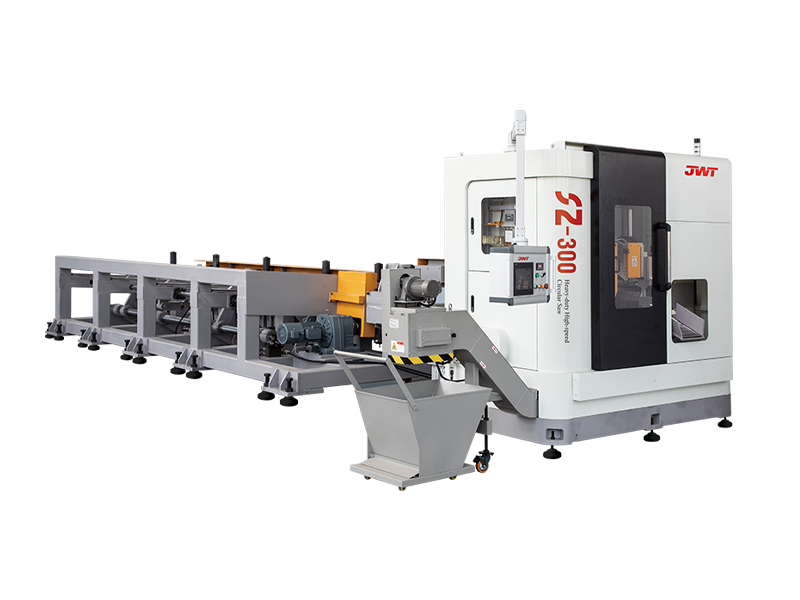
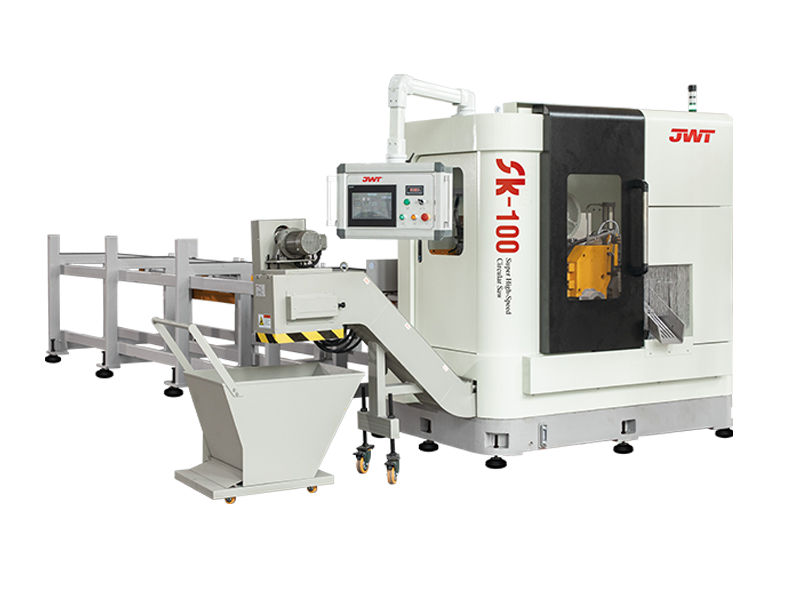

If you are interested in our Circular Saw Machine or production line, please consult us
CONTACT DETAILS
Zhejiang Jingweite Machine Tool Co.,Ltd.
- No.661 Jiyi Road, Wanghai Hi-tech Industrial Park, Haiyan, Jiaxing City, Zhejiang Province
- TEL:+86-0573-86035661
- E-Mail: [email protected]
Products
Quick link
Mobile terminal
