

 中文简体
中文简体 русский
Automatic Circular Saw Machine 101: How It Cuts Faster and More Consistently Than Doing It by Hand
 2026.06.22
 Industry News
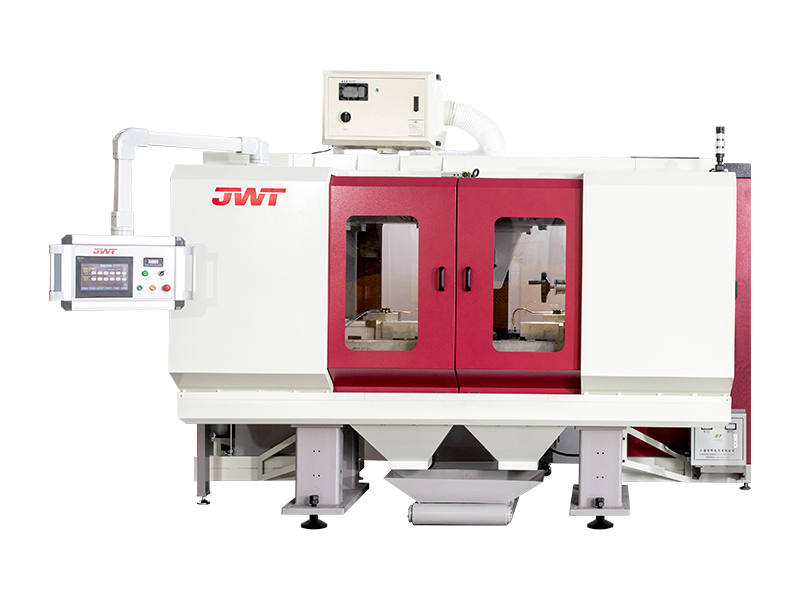
An automatic circular saw machine takes one of the most basic cutting tools in any shop and turns it into a precision production tool capable of running cut after cut with almost no operator intervention. Instead of manually feeding material and eyeballing each cut, an automatic circular saw machine uses programmable controls, motorized feed systems, and often a digital readout to deliver consistent, repeatable cuts on metal, wood, or plastic stock. This article explains how these machines work, the main types on the market, what to look for when buying one, and how to keep one running reliably in a production environment.
Content
- 1 What Sets an Automatic Circular Saw Machine Apart
- 2 Main Types of Automatic Circular Saw Machines
- 3 Materials and Applications Suited to Automatic Circular Saws
- 4 Key Features to Evaluate Before Buying
- 5 Setting Up an Automatic Circular Saw for Production Runs
- 6 Maintenance Practices That Keep the Machine Running Reliably
- 7 Final Thoughts on Automatic Circular Saw Machines
What Sets an Automatic Circular Saw Machine Apart
A manual circular saw depends entirely on the operator to position material, control feed speed, and judge cut quality on every single pass. An automatic circular saw machine removes most of that manual effort by integrating a powered feed system, a programmable controller, and often automated clamping that holds material securely in place during the cut. Once the desired length, angle, and quantity are set, the machine can run through an entire batch of cuts with minimal supervision, stopping automatically or signaling the operator only when it's time to reload material.
This level of automation matters most in production environments where the same cut needs to be repeated dozens or hundreds of times a day. A metal fabrication shop cutting tube stock to length, a window and door manufacturer cutting aluminum profiles, or a woodworking operation producing identical cabinet components all benefit from the consistency an automatic saw delivers, since even a skilled operator's manual cuts will vary slightly from piece to piece over a long shift.
Main Types of Automatic Circular Saw Machines
Automatic circular saws come in several configurations, each suited to different materials and production scales. Choosing the right type depends heavily on what's being cut and how the cut pieces will be used downstream.
CNC Automatic Circular Saws
CNC-controlled circular saws use a digital control panel to program cut length, angle, and quantity directly, often storing multiple cut programs in memory for quick changeovers between jobs. These machines are common in metal tube and profile cutting where precision and repeatability across large batches are critical.
PLC-Controlled Production Saws
These machines rely on programmable logic controllers to manage feed sequencing, clamping, and blade engagement, typically used in high-volume operations like aluminum extrusion cutting or PVC profile fabrication. They're built for speed and continuous operation across long production runs.
Automatic Cut-Off Saws with Stock Feeders
This style pairs a circular saw blade with an automated stock feeder that pulls raw material from a bar or coil and advances it to a preset length before each cut. These are widely used in metalworking shops that need to cut bar stock or rod into uniform blanks for further machining.
Materials and Applications Suited to Automatic Circular Saws
Automatic circular saw machines are versatile enough to handle a wide range of materials, though blade selection and machine setup need to match the material being cut.
| Material | Typical Application | Recommended Blade Type |
| Aluminum Profiles | Window and door frame fabrication | Carbide-tipped, high tooth count |
| Steel Tube and Bar | Metal fabrication and machining blanks | Cold saw blade or carbide circular blade |
| PVC and Plastic Profiles | Window manufacturing and pipe cutting | Triple-chip carbide blade |
| Solid Wood and Panels | Furniture and cabinetry components | Alternate top bevel carbide blade |
Key Features to Evaluate Before Buying
Not every automatic circular saw machine offers the same level of precision or automation, so it pays to compare a few core specifications before committing to a purchase.
- Cutting capacity, including maximum material diameter, thickness, and width the blade and frame can handle
- Length accuracy and repeatability, since tighter tolerances reduce scrap on long production runs
- Feed system type, whether servo-driven, pneumatic, or mechanical, which affects both speed and precision
- Control interface, including how easily new cut programs can be entered, saved, and recalled
- Safety features such as blade guards, light curtains, and automatic shutoffs in case of jams
- Availability of local service and replacement parts, since downtime on a production saw is costly
Setting Up an Automatic Circular Saw for Production Runs
Getting consistent results from an automatic circular saw machine depends as much on setup as it does on the machine's built-in precision. A careful setup process at the start of a job prevents wasted material and avoids stopping mid-run to make corrections.
- Confirm the blade is appropriate for the material type, thickness, and desired finish quality
- Run a test cut and measure the result before starting the full batch to catch any program or alignment errors
- Check that material clamps are properly adjusted for the stock size to prevent shifting during the cut
- Set feed speed appropriately for the material, since feeding too fast can cause rough cuts or blade strain
- Verify the cut-length program matches the actual order specification before running the full quantity
Maintenance Practices That Keep the Machine Running Reliably
Automatic circular saw machines run hard in production settings, and a consistent maintenance schedule is what separates a machine that runs for years without major issues from one that suffers frequent breakdowns.
- Inspect and replace blades regularly, since a dull or damaged blade strains the motor and produces poor cut quality
- Clean metal chips, sawdust, or debris from the feed mechanism and clamps after each shift
- Lubricate moving parts such as feed rails and pivot points according to the manufacturer's schedule
- Check belt tension or servo calibration periodically to maintain length accuracy over time
- Inspect safety guards and sensors regularly to confirm they're functioning correctly before each shift
- Keep a log of maintenance activities to track wear patterns and anticipate part replacements before failures occur
Final Thoughts on Automatic Circular Saw Machines
An automatic circular saw machine turns repetitive cutting work into a controlled, programmable process that delivers consistent results far beyond what manual cutting can achieve over a full production shift. Choosing the right machine type for the material and volume involved, setting it up carefully for each job, and sticking to a regular maintenance routine are the factors that determine whether a shop gets years of reliable service or constant frustration from downtime. For any operation that regularly cuts the same material to the same dimensions, investing in the right automatic circular saw is one of the most direct ways to improve both throughput and consistency on the shop floor.
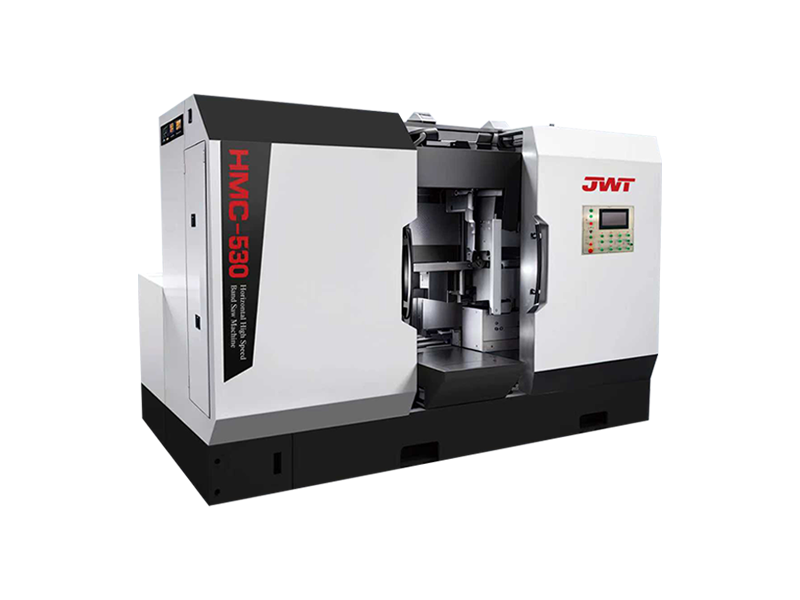

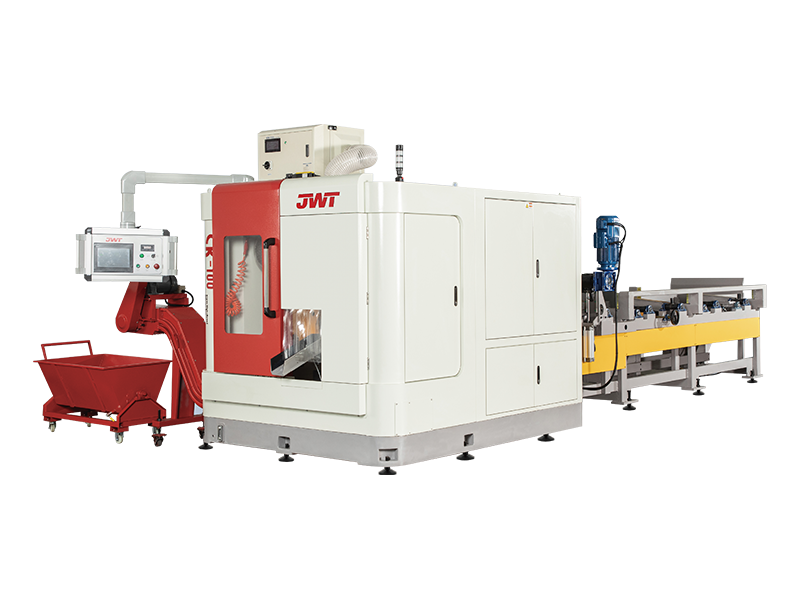
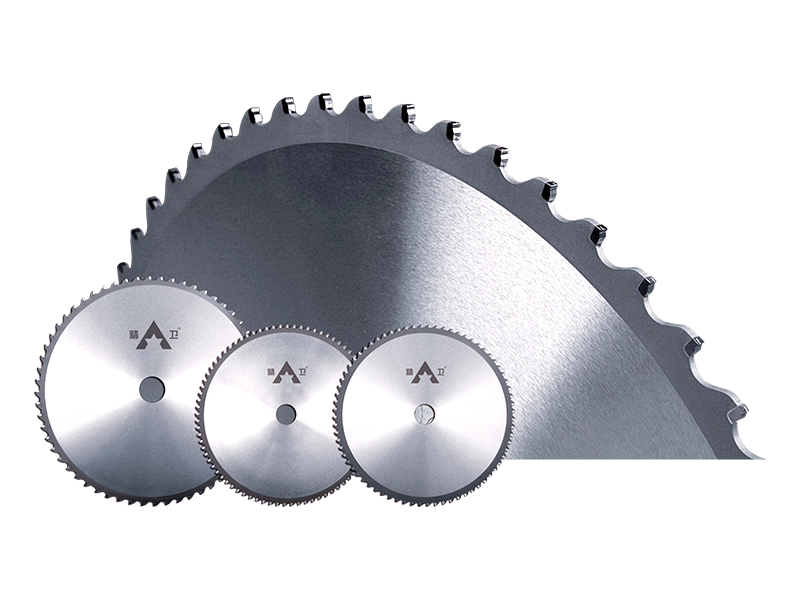
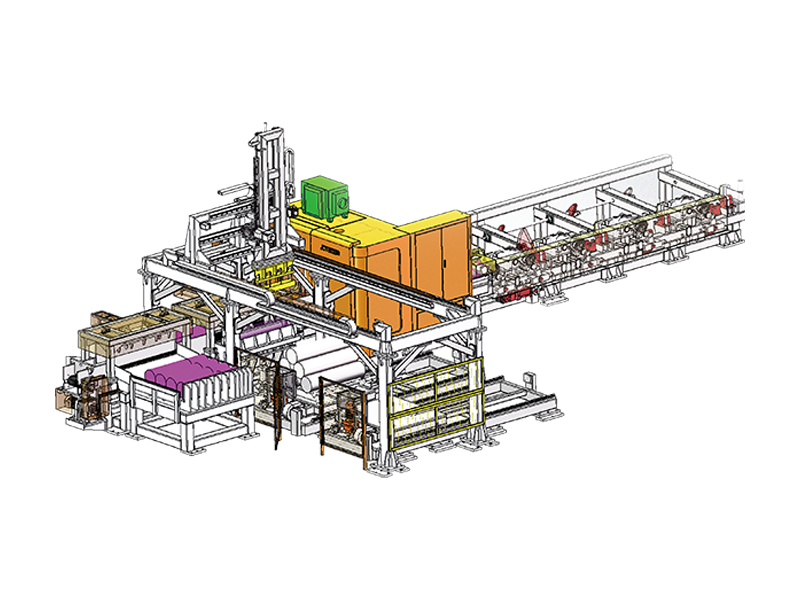
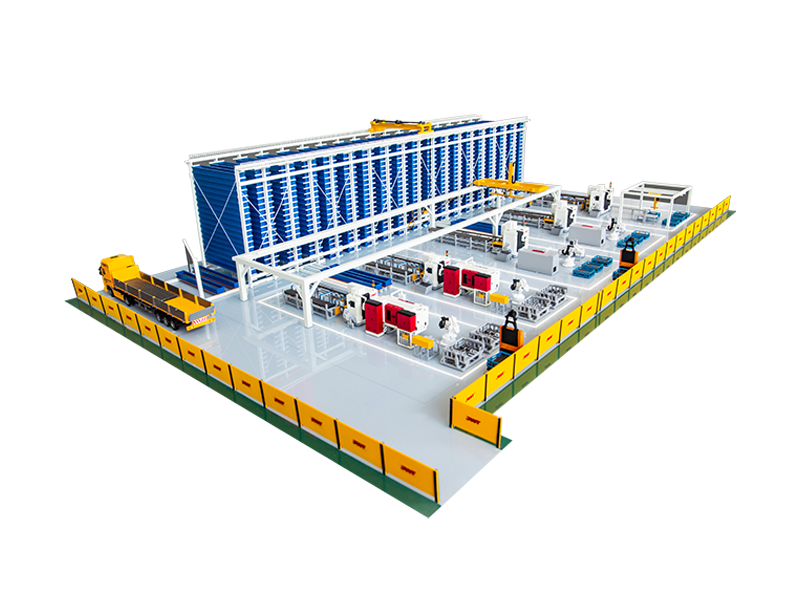
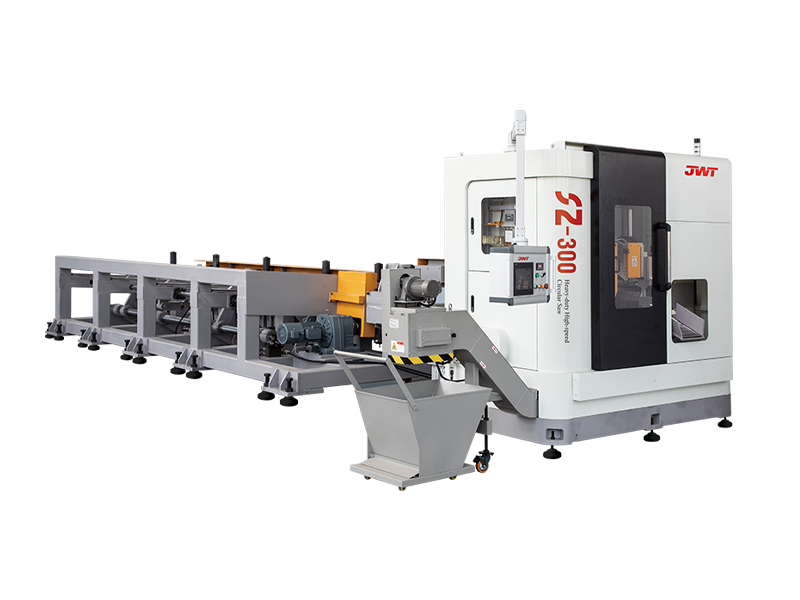
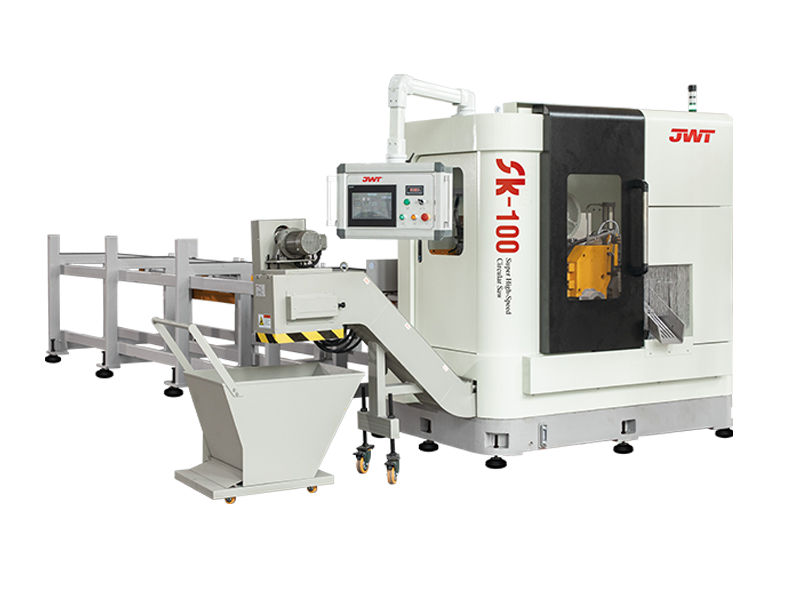

If you are interested in our Circular Saw Machine or production line, please consult us
CONTACT DETAILS
Zhejiang Jingweite Machine Tool Co.,Ltd.
- No.661 Jiyi Road, Wanghai Hi-tech Industrial Park, Haiyan, Jiaxing City, Zhejiang Province
- TEL:+86-0573-86035661
- E-Mail: [email protected]
Products
Quick link
Mobile terminal
