

 中文简体
中文简体 русский
Heavy Duty Saw Machine Buying Guide: What Actually Matters
 2026.07.07
 Industry News
Content
- 1 What Makes a Saw Machine "Heavy Duty" in the First Place
- 2 Main Types of Heavy Duty Saw Machines and Their Uses
- 3 Key Features to Look for Before Buying
- 4 Comparing Popular Heavy Duty Saw Machine Categories
- 5 Maintenance Tips to Keep Your Saw Running for Years
- 6 Safety Practices Every Operator Should Follow
- 7 Choosing the Right Saw for Your Workload
What Makes a Saw Machine "Heavy Duty" in the First Place
A heavy duty saw machine is built to handle thick materials, long working hours, and constant vibration without breaking down. Unlike lightweight consumer saws, these machines use reinforced frames, higher-horsepower motors, and industrial-grade bearings that can withstand repeated stress. The difference shows up most clearly when cutting dense hardwood, thick steel, or stacked materials that would stall or damage a standard saw within minutes.
Manufacturers typically rate a heavy duty saw machine by its duty cycle, meaning how long it can run continuously before needing a cooldown period. A true industrial model can often run for hours at a stretch, while a lighter machine may only handle short bursts of cutting before overheating. This distinction matters a lot for workshops, construction sites, and metal fabrication shops where downtime directly affects productivity.
Main Types of Heavy Duty Saw Machines and Their Uses
Not every heavy duty saw is designed for the same job. Picking the right type depends heavily on the material you're cutting and the volume of work involved.
Heavy Duty Band Saws
Band saws use a continuous looped blade and are ideal for cutting metal bars, pipes, and structural steel with minimal waste. Industrial band saws often include coolant systems to reduce blade wear during long cutting sessions.
Heavy Duty Circular Saws
Built for fast, straight cuts through lumber, plywood, and composite boards, heavy duty circular saws are a staple on construction sites where speed and portability matter just as much as power.
Heavy Duty Chop Saws and Cut-Off Saws
These machines specialize in cutting metal stock, rebar, and tubing at precise angles. Abrasive or cold-cut blades are common depending on whether speed or clean edges matter more for the job.
Heavy Duty Table Saws
Table saws with reinforced cast-iron tops and high-torque motors are built for ripping thick hardwood boards repeatedly without losing accuracy over time.
Key Features to Look for Before Buying
Choosing the right heavy duty saw machine comes down to matching specifications to your actual workload. Here are the features that matter most:
- Motor power, usually measured in horsepower or amps, which determines cutting speed and material capacity
- Blade size and compatibility, since larger blades allow thicker cuts but require more power
- Frame construction, with cast iron or steel offering better stability than aluminum
- Duty cycle rating, indicating how long the machine can run before needing rest
- Safety features such as blade guards, emergency stop switches, and anti-kickback mechanisms
- Portability versus stationary design, depending on whether the saw moves between job sites
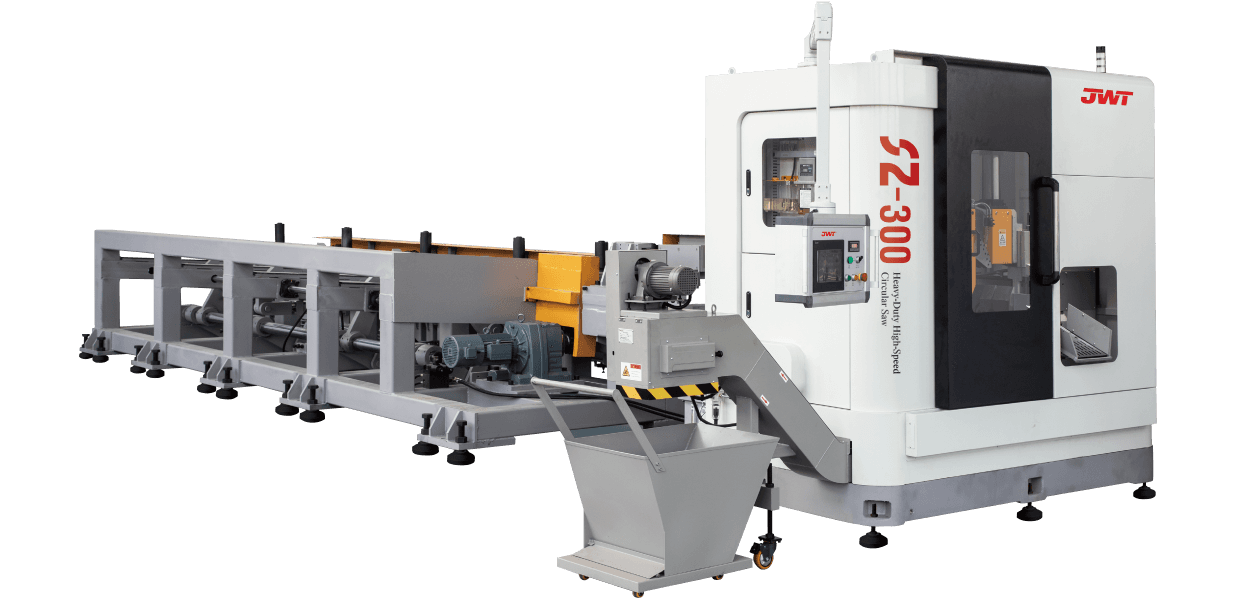
Comparing Popular Heavy Duty Saw Machine Categories
The table below breaks down typical specifications across common heavy duty saw categories to help you compare options at a glance.
| Saw Type | Typical Motor Power | Best Material |
| Band Saw | 1.5 - 5 HP | Metal bars, pipes, tubing |
| Circular Saw | 12 - 15 Amps | Lumber, plywood |
| Chop Saw | 13 - 15 Amps | Rebar, metal tubing |
| Table Saw | 3 - 5 HP | Hardwood, thick boards |
Maintenance Tips to Keep Your Saw Running for Years
A heavy duty saw machine is a serious investment, and proper maintenance keeps it performing at full capacity for much longer. Skipping routine care is one of the most common reasons industrial saws fail early.
Blade Care
Keep blades sharp and replace them as soon as you notice burning, excessive vibration, or rough cut edges. Dull blades force the motor to work harder, increasing wear across the whole machine.
Lubrication and Cleaning
Sawdust and metal shavings build up quickly around moving parts. Regular cleaning combined with proper lubrication of bearings and rails prevents premature motor strain and rust formation.
Motor and Belt Inspection
Check drive belts for cracking or slipping, and listen for unusual motor noises that might signal worn brushes or bearing damage before they turn into costly repairs.
Safety Practices Every Operator Should Follow
Heavy duty saw machines generate significant force, so proper safety habits are non-negotiable. Following these practices reduces injury risk and extends the life of the equipment.
- Always wear eye and ear protection when operating the machine
- Keep blade guards in place and never bypass safety interlocks
- Secure the workpiece firmly before starting any cut
- Never force material through the blade faster than the motor allows
- Disconnect power before changing blades or performing maintenance
Choosing the Right Saw for Your Workload
Before purchasing, think honestly about how the machine will actually be used day to day. A weekend hobbyist cutting occasional lumber doesn't need the same specifications as a metal fabrication shop running saws eight hours a day. Matching motor power, blade type, and duty cycle to your real workload prevents overspending on unnecessary features while also avoiding the frustration of a machine that can't keep up with demand. Talking to suppliers about your typical cutting volume, material thickness, and shift length will usually point you toward the right category of heavy duty saw machine for your needs.
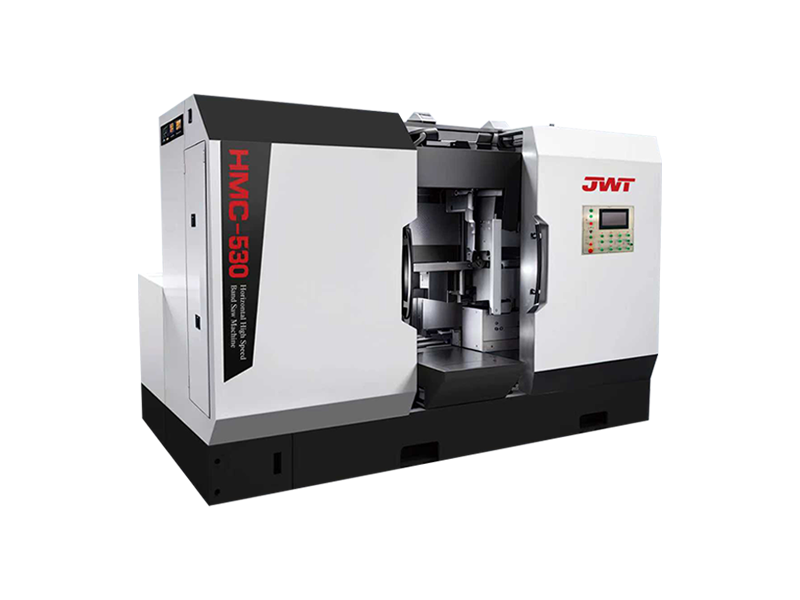
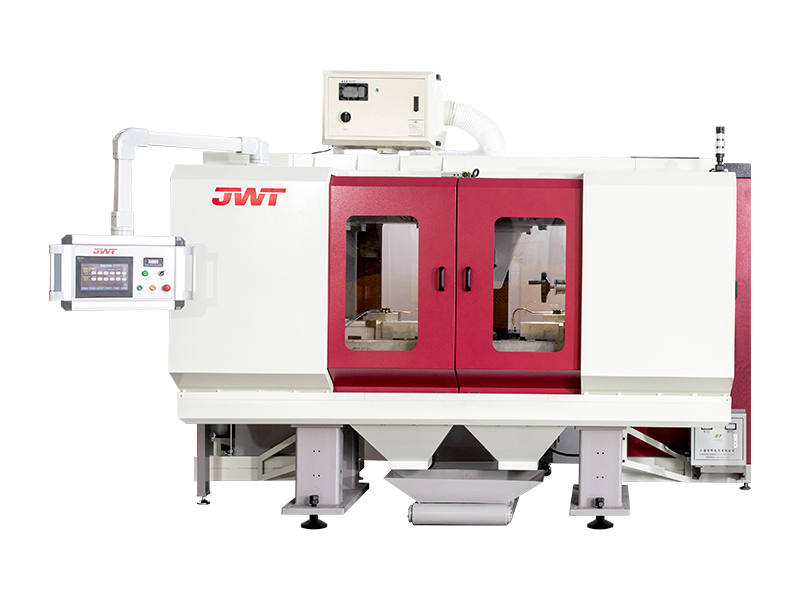
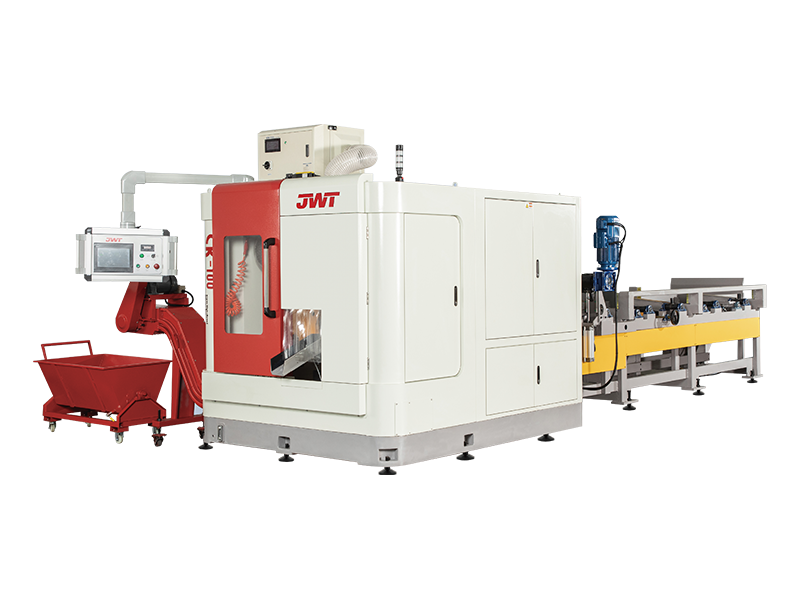
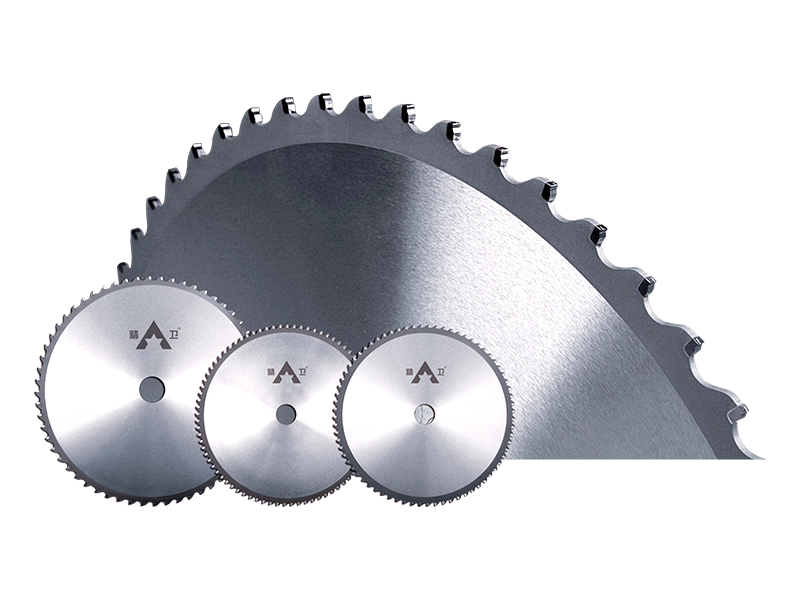
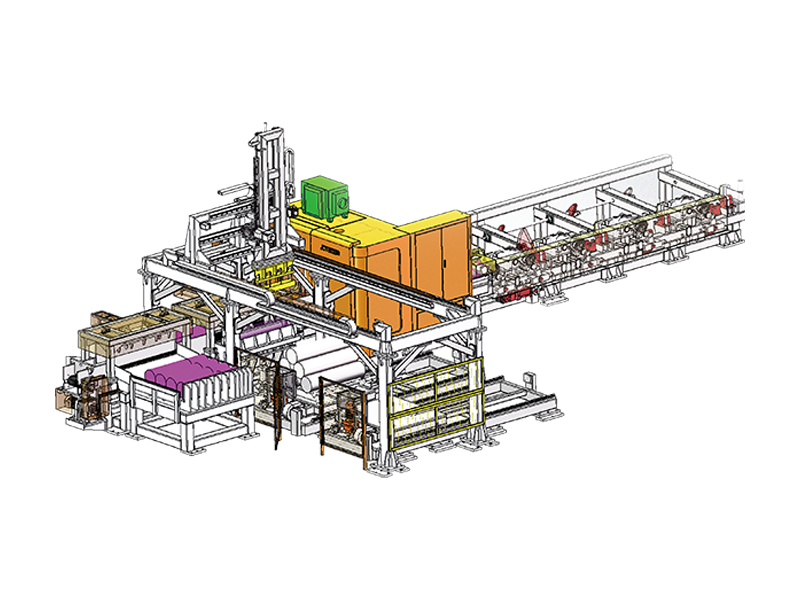
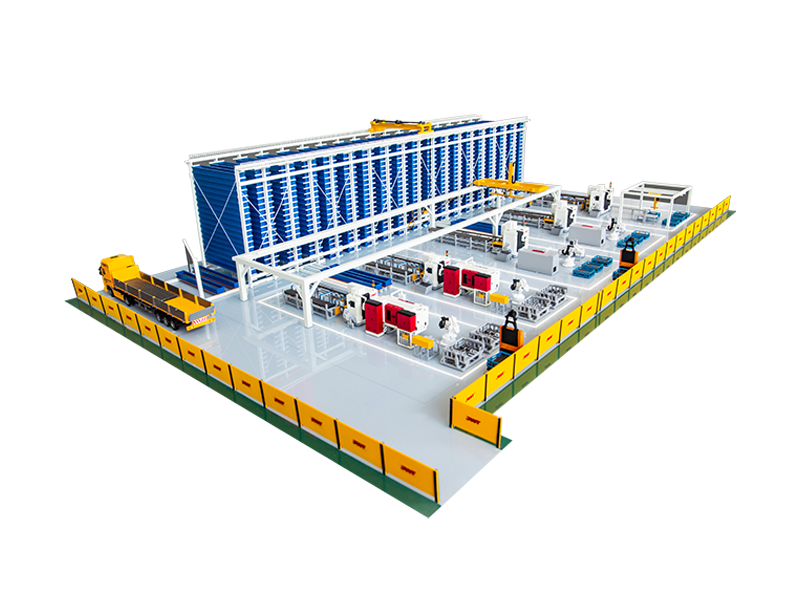
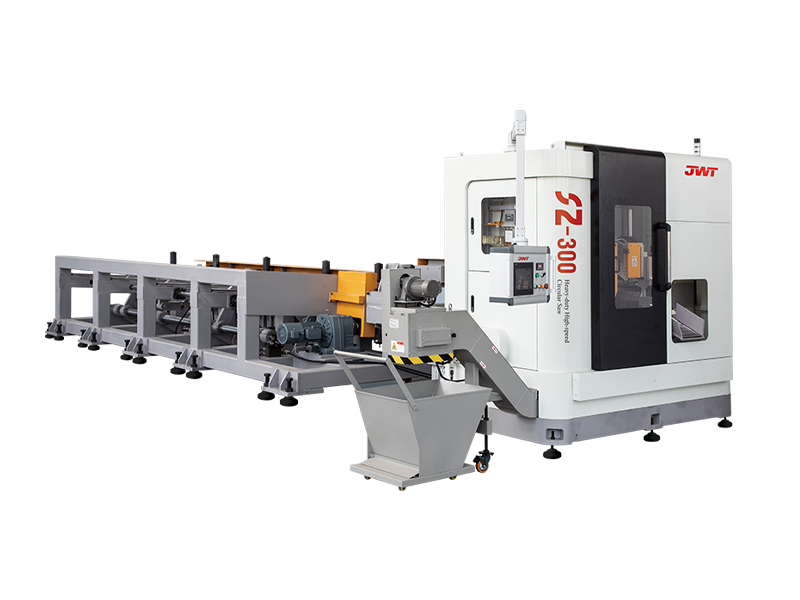
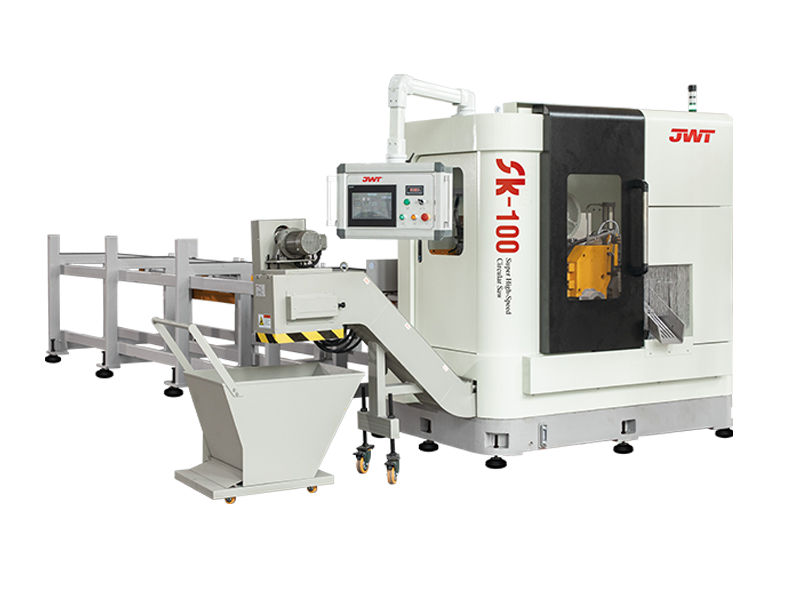

If you are interested in our Circular Saw Machine or production line, please consult us
CONTACT DETAILS
Zhejiang Jingweite Machine Tool Co.,Ltd.
- No.661 Jiyi Road, Wanghai Hi-tech Industrial Park, Haiyan, Jiaxing City, Zhejiang Province
- TEL:+86-0573-86035661
- E-Mail: [email protected]
Products
Quick link
Mobile terminal
