

 中文简体
中文简体 русский
The Undisputed King of the Workshop: Exploring the Circular Saw Machine
 2025.12.17
 Industry News
Content
The Revolution of Rotary Cutting
For centuries, crafting wood and other materials relied on muscle power and the back-and-forth motion of a handsaw. While effective, this process was slow, exhausting, and often resulted in inconsistent cuts. The industrial age demanded speed and precision, leading to one of the most significant innovations in the history of woodworking and construction: the Circular saw machine.
The fundamental concept of the circular saw is elegantly simple: instead of pushing a blade through material, a stiff, toothed disc is rotated at high speed. This continuous, rotary motion provides a far more efficient and powerful cutting action than traditional reciprocating saws.
Anatomy of a Cutting Masterpiece
A Circular saw machine, regardless of its size or configuration, operates on several core components working in harmony.
The Power Source and Motor
At the heart of any circular saw is the motor, which can be electric (plug-in or battery-powered), or, in large industrial applications, run by a combustion engine or connected to a central power transmission system. The motor is designed to generate significant torque and rotational speed. A typical handheld circular saw blade spins at several thousand revolutions per minute (RPM).
The Blade
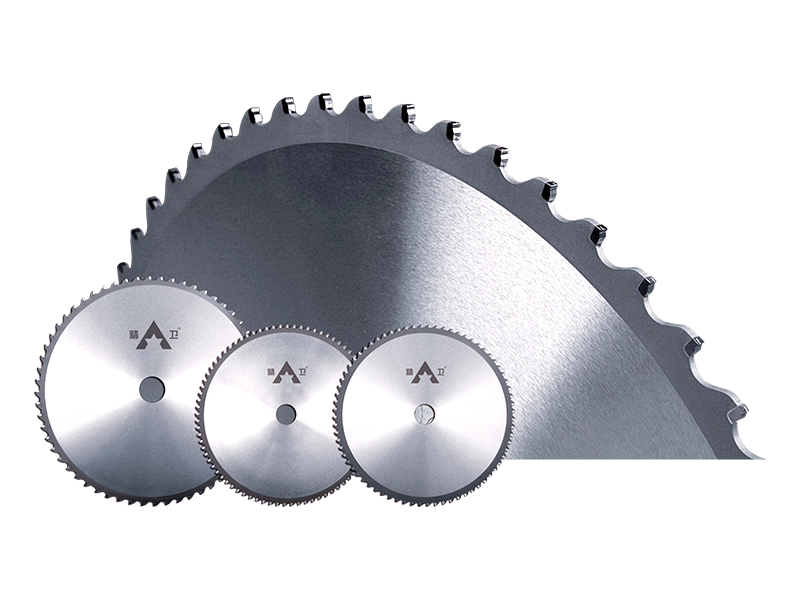
The circular saw blade is the star of the show. Blades are interchangeable and specifically designed for the material they will cut (wood, metal, masonry, plastic) and the type of cut desired (cross-cutting, ripping, or fine finish).
- Tooth Count: More teeth generally mean a smoother, slower cut (ideal for finishing), while fewer teeth allow for faster, more aggressive cuts (ideal for rough framing).
- Kerf: This is the width of the material removed by the blade. A thin kerf requires less power but can be less stable than a thick kerf blade.
Safety and Stability Systems
Modern circular saws are built with safety and control as a priority.
- Guards: All saws feature a fixed upper guard and a retractable lower guard that covers the teeth when the saw is not in use, only moving up to expose the blade during a cut.
- Handle and Trigger: The ergonomic handle provides control, and the safety trigger mechanism prevents accidental startup.
- Base Plate (Shoe): This flat plate rests on the material being cut, guiding the saw and ensuring the cut is consistently straight and stable.
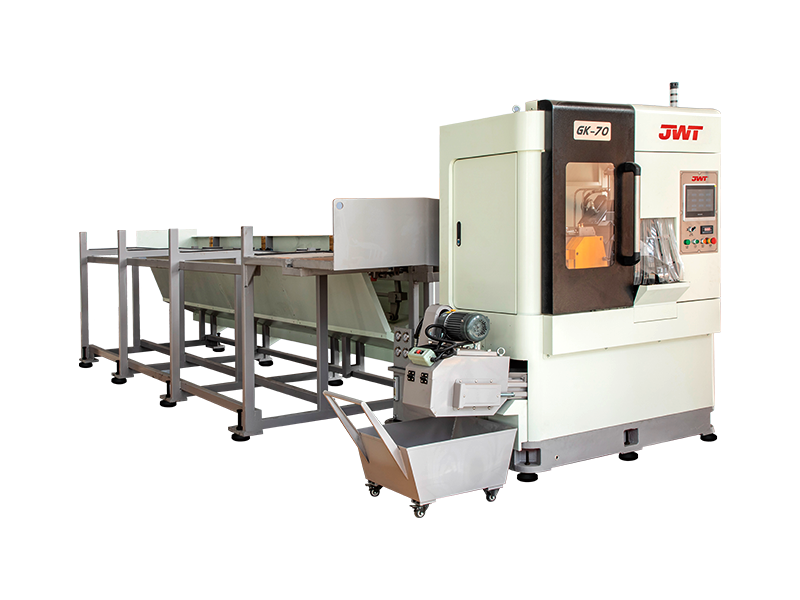
Types and Applications of Circular Saws
The term Circular saw machine encompasses a broad family of tools, each optimized for a specific task.
Handheld Circular Saws
These are the most common type, beloved by builders and DIY enthusiasts for their portability and versatility. They are essential for cutting sheet goods (like plywood) and dimension lumber on a construction site.
Table Saws
A table saw is essentially an inverted circular saw blade mounted permanently beneath a flat table surface. The material is pushed into the spinning blade. This configuration provides the highest degree of accuracy, especially for ripping (cutting along the grain) long, straight cuts in lumber.
Miter Saws (Chop Saws)
A miter saw features a circular saw head mounted on a pivot and arm, allowing the user to swing the blade down into the material. Their primary function is making precise cross-cuts and angled cuts (miters), making them indispensable for trim work, picture frames, and cabinetry.
The Science of the Cut
The efficiency of the Circular saw machine comes down to physics. As the blade rotates, the teeth act like tiny chisels, striking the material at high velocity. The continuous, one-directional motion minimizes friction and heat build-up compared to the stop-start action of a handsaw. The key factors in optimizing the cut are:
- Speed: Higher RPMs mean the blade teeth impact the material more frequently, leading to a cleaner cut profile and less chance of tearing the wood fibers.
- Angle: The attack angle of the teeth (the rake) is carefully engineered to maximize the shear force, cleanly slicing the material rather than merely abrading it.
- Stability: The fixed nature of the blade and the rigid mounting of the saw on a base plate or table reduce vibration, ensuring a precise and straight cutting path.
The invention of the Circular saw machine didn’t just make construction faster—it made it possible to build things with a level of dimensional accuracy that was previously unimaginable. From the framing of a house to the intricate joinery of a piece of fine furniture, the circular saw is, without a doubt, a foundational tool of the modern world.
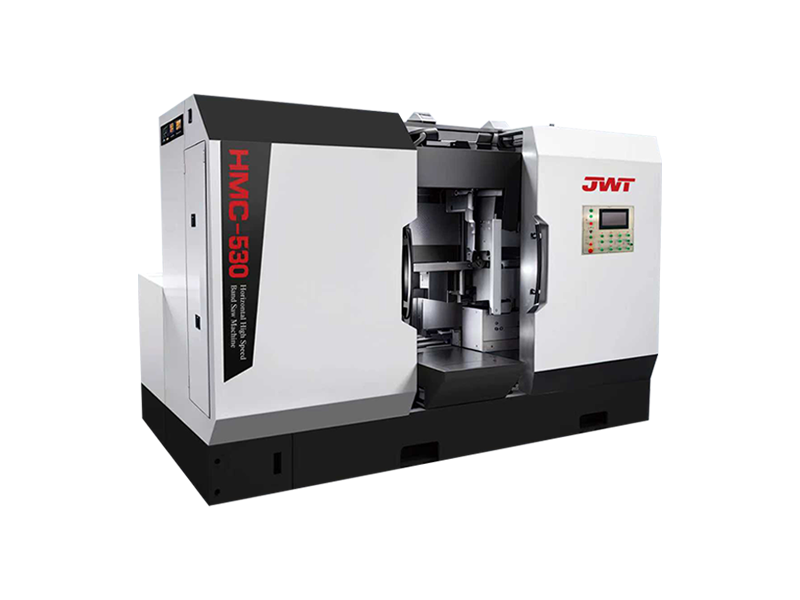
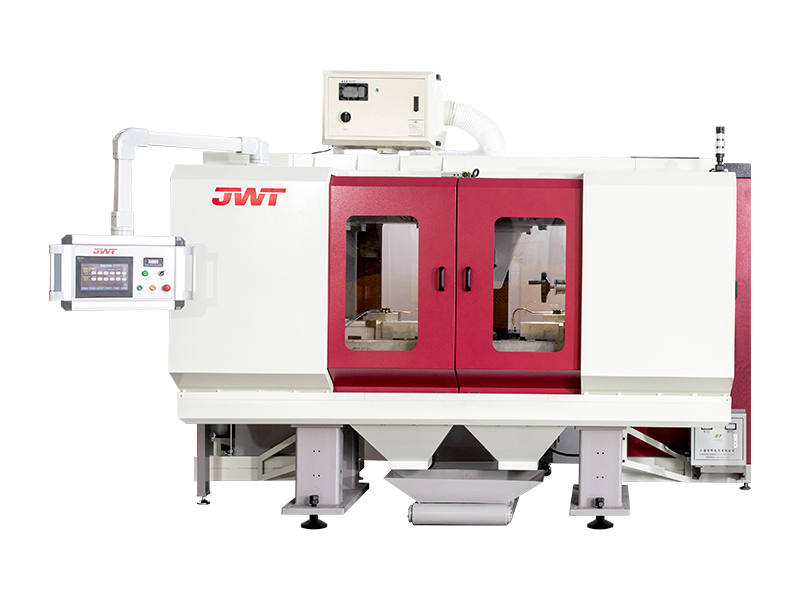
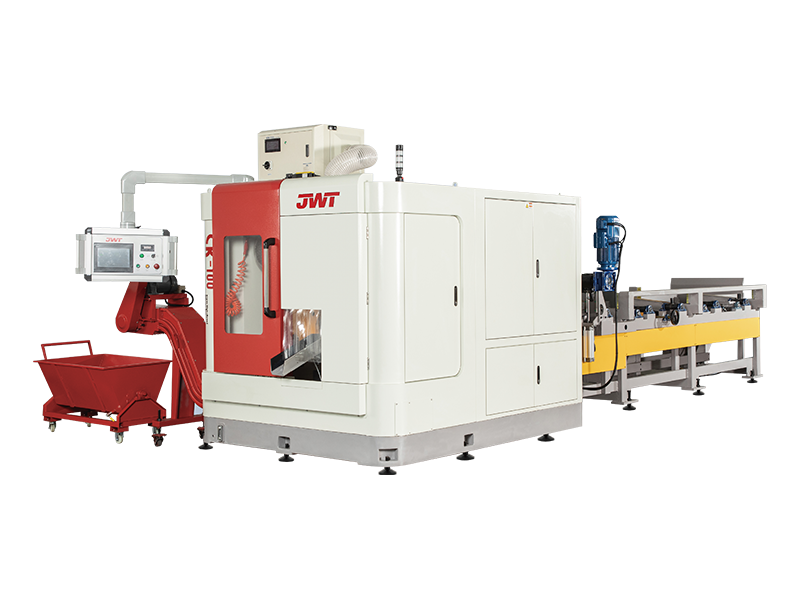
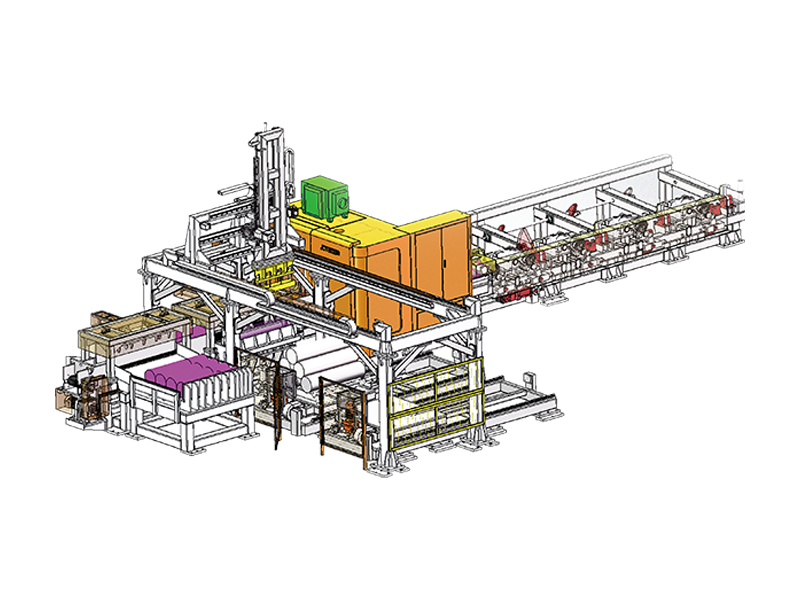
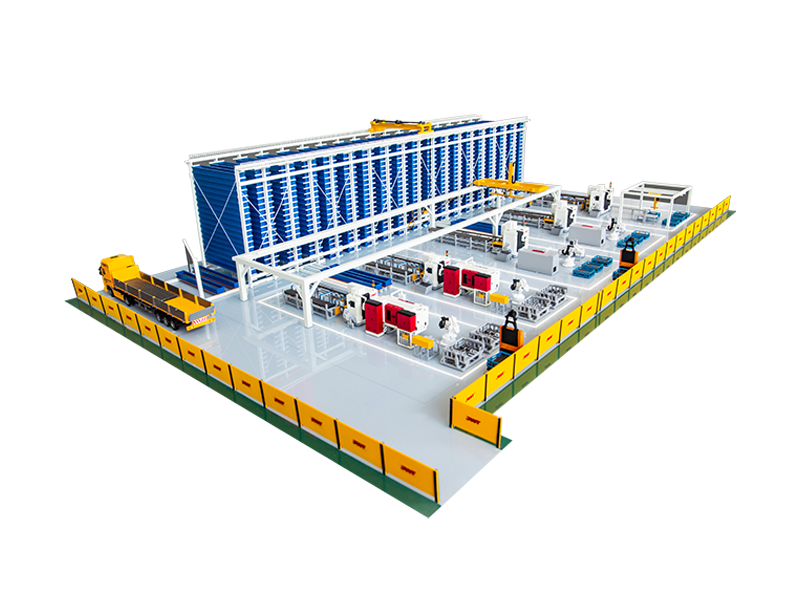
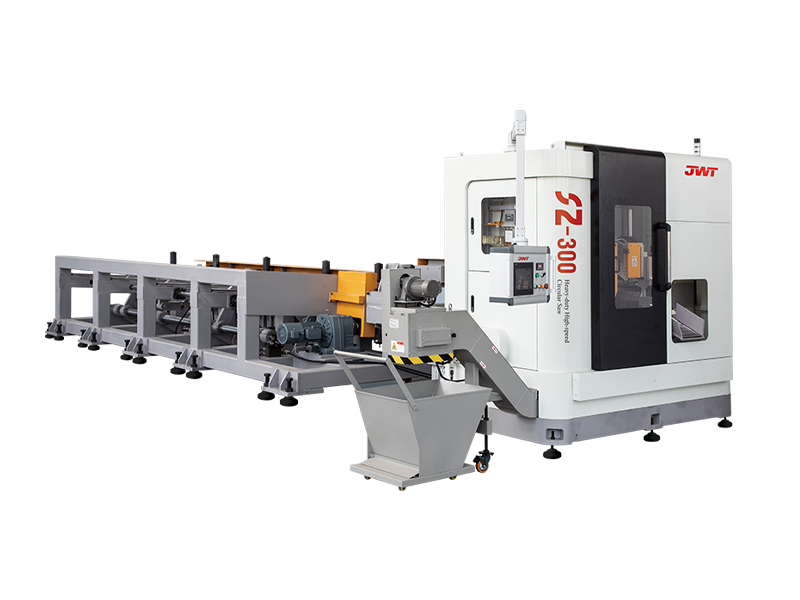
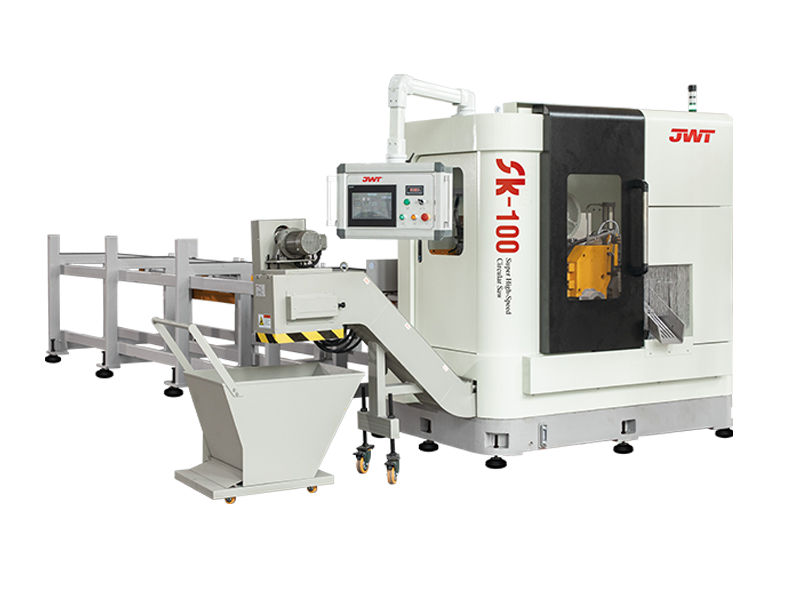

If you are interested in our Circular Saw Machine or production line, please consult us
CONTACT DETAILS
Zhejiang Jingweite Machine Tool Co.,Ltd.
- No.661 Jiyi Road, Wanghai Hi-tech Industrial Park, Haiyan, Jiaxing City, Zhejiang Province
- TEL:+86-0573-86035661
- E-Mail: [email protected]
Products
Quick link
Mobile terminal
