

 中文简体
中文简体 русский
The Buzz on Blades: Unpacking the Power of the Circular Saw
 2025.12.09
 Industry News
Content
Revolutionizing the Cut: The Rise of the Circular Saw Machine Tool
Since its invention, the circular saw machine tool has fundamentally changed how we shape and build the world around us. Before its advent, cutting lumber, metal, and other materials was a slow, labor-intensive process, relying on reciprocating handsaws that required tremendous effort and often yielded imprecise results.
The circular saw, in contrast, introduced a continuous rotary motion, allowing a hardened, toothed disc—the blade—to shear through material with speed and accuracy. This breakthrough didn’t just speed up construction; it enabled the standardization and mass production of building materials, which was a cornerstone of the industrial revolution and modern manufacturing.
Anatomy of the Asset: What Makes a Circular Saw Spin?
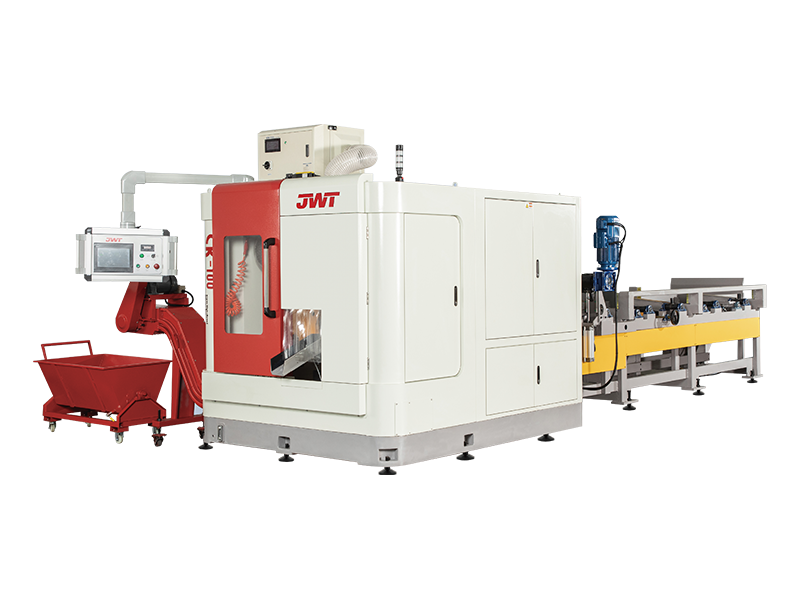
At its core, a circular saw machine tool is an elegant system designed to convert rotational energy into precise cutting action. While different types exist—from handheld models to massive industrial saws—they all share a few key components:
The Blade
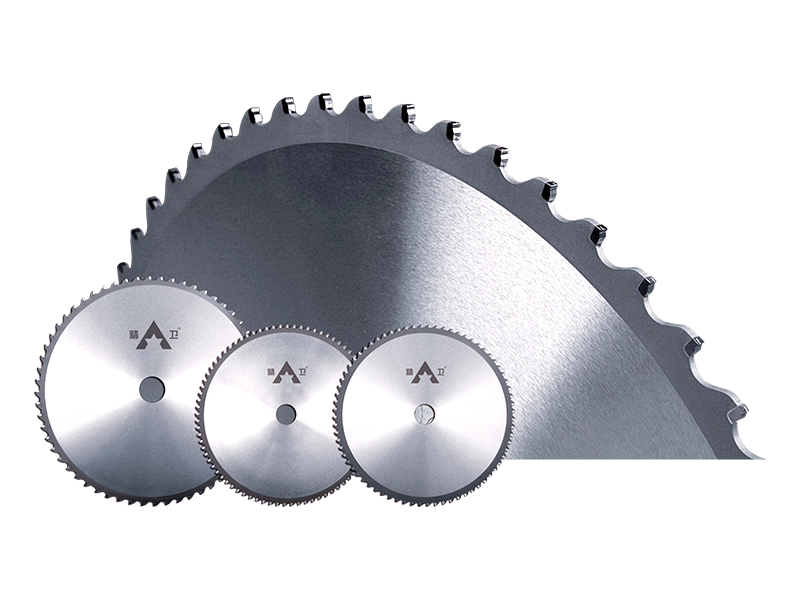
The soul of the saw is the circular blade. These blades are highly specialized, varying in diameter, the number of teeth, and the material they are made from.
- Tooth Count: A blade with fewer, larger teeth will cut faster but rougher, making it ideal for ripping wood (cutting along the grain). A blade with more, smaller teeth will cut slower but much cleaner, perfect for cross-cutting (cutting across the grain) or working with delicate materials like plywood or fine metal.
- Material: Blades are often made from high-speed steel (HSS) or feature carbide tips, which are extremely hard and allow the blade to maintain a sharp edge for much longer, even when cutting dense materials like concrete or steel.
The Motor and Arbor
The motor provides the power, typically electric, converting electricity into high-speed rotational energy. This energy is transferred to the arbor, which is the axle the blade mounts onto. The arbor spins the blade at a controlled, high RPM (revolutions per minute). Industrial saws often use powerful three-phase motors, while handheld models rely on universal or induction motors.
The Base and Guides
To ensure a straight and stable cut, the circular saw is equipped with a base plate (or sole plate) that rests on the material. This plate, often adjustable, allows the user to control the depth of cut and the bevel angle (the angle of the cut relative to the surface), which is critical for making miter joints or angled edges.
Beyond the Handheld: Types of Circular Saw Machine Tools
While the familiar handheld circular saw is essential on a construction site, the term “circular saw machine tool” encompasses a vast range of highly specialized equipment found in workshops and factories:
Table Saws
A table saw is essentially a stationary circular saw where the blade is mounted below a table. The material is pushed across the table and into the spinning blade. These are the workhorses of fine woodworking, offering unmatched precision and stability for ripping large sheets of wood.
Miter Saws
The miter saw is designed specifically for making precise cross-cuts and angle cuts (miters and bevels). The saw’s motor and blade assembly are mounted on a pivoting arm, allowing the user to swing the blade down into the material with extreme accuracy, making it indispensable for trim work, picture frames, and cabinetry.
Cold Saws and Abrasive Saws
In the metalworking industry, specialized circular saws are used to cut steel and aluminum. Cold saws use slow speeds and specially designed blades to shear through metal without generating significant heat, resulting in a clean, burr-free cut. Abrasive saws (often called chop saws) use a thin, resin-bonded abrasive disc (like a massive cutting wheel) to grind through hardened steel, generating intense heat and sparks, commonly used for cutting structural members and pipes.
The continued evolution of the circular saw machine tool, driven by advancements in blade material and motor technology, ensures its place as an irreplaceable instrument in almost every industry that requires precise, powerful, and efficient cutting.
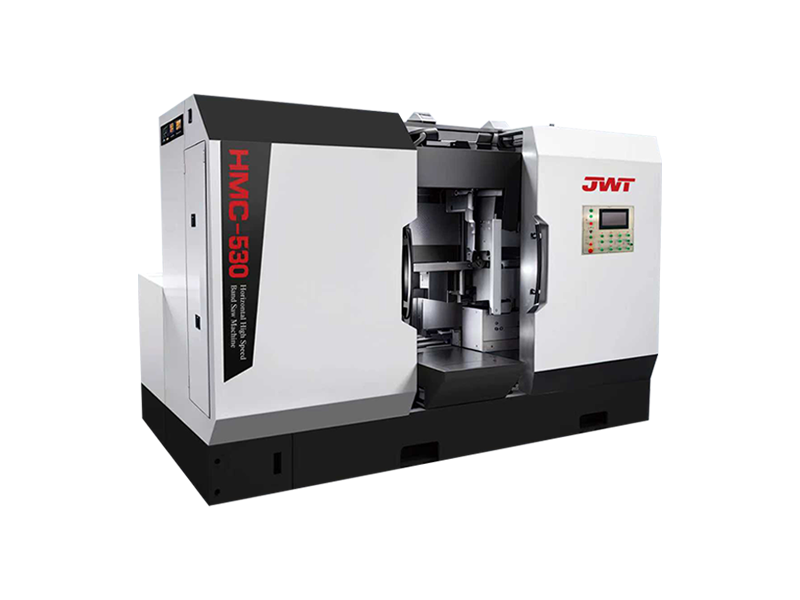
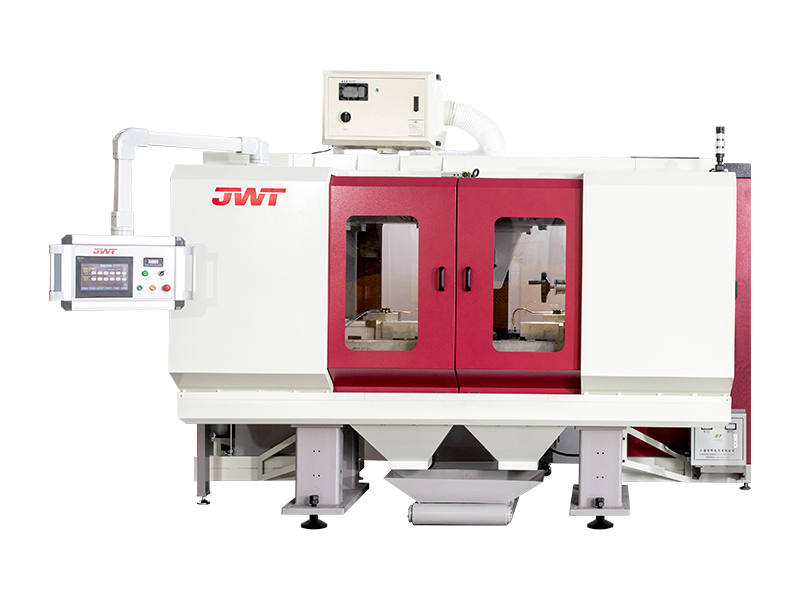

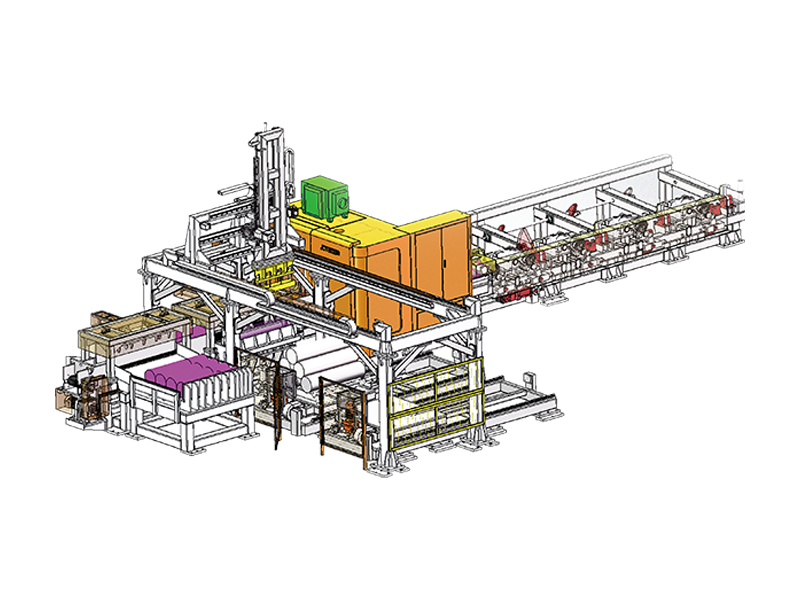
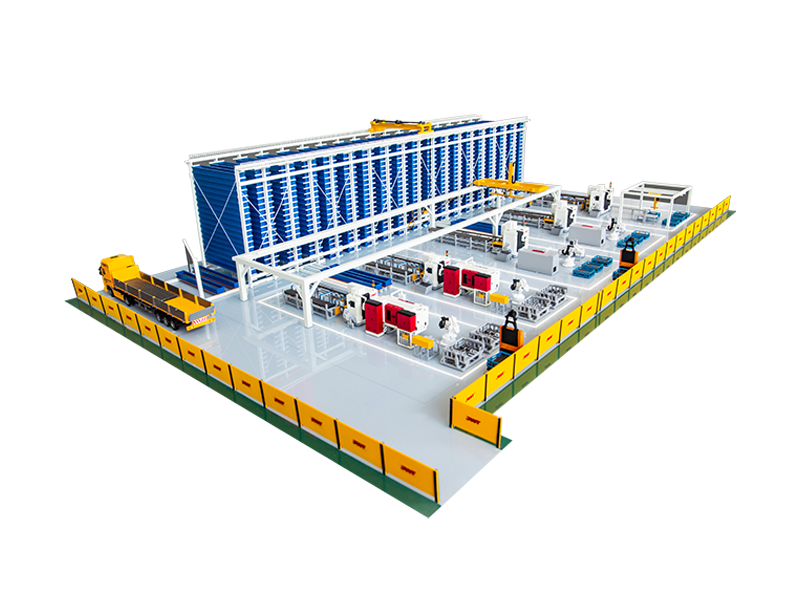
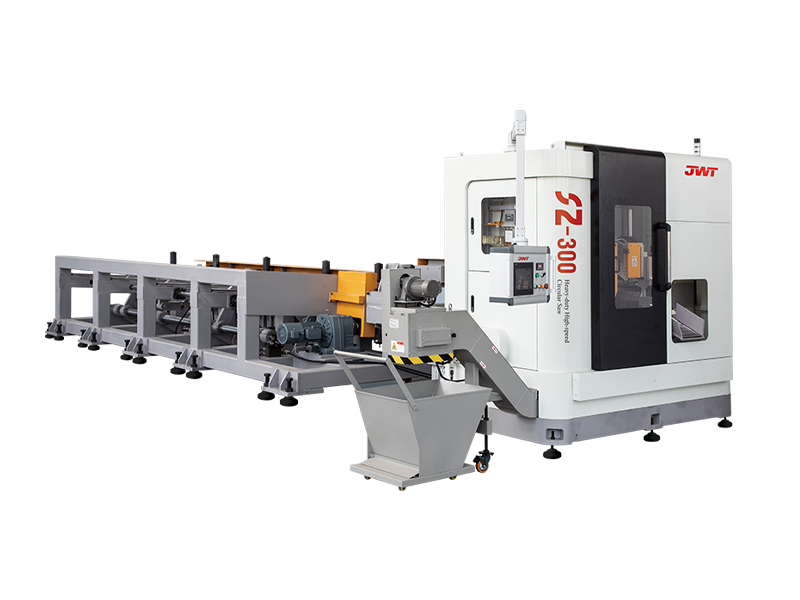
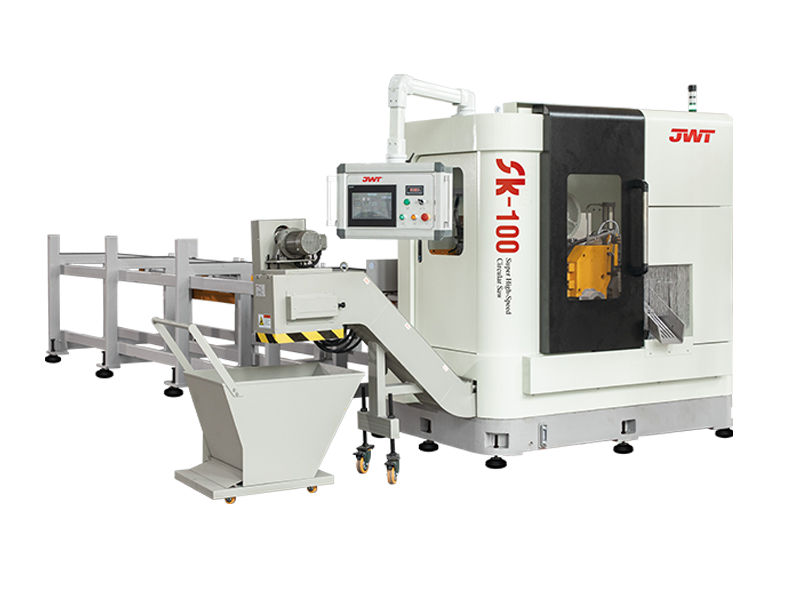

If you are interested in our Circular Saw Machine or production line, please consult us
CONTACT DETAILS
Zhejiang Jingweite Machine Tool Co.,Ltd.
- No.661 Jiyi Road, Wanghai Hi-tech Industrial Park, Haiyan, Jiaxing City, Zhejiang Province
- TEL:+86-0573-86035661
- E-Mail: [email protected]
Products
Quick link
Mobile terminal
