

 中文简体
中文简体 русский
How Automatic Saw Machines Are Revolutionizing High-Volume Industrial Cutting
 2025.12.24
 Industry News
Content
Core Advantages of Integrating Automatic Saw Machines in Production
The transition from manual or semi-automatic cutting processes to a fully automatic saw machine represents a significant leap in manufacturing efficiency. These machines are engineered to handle repetitive, high-volume tasks with a level of precision that human operators simply cannot maintain over long shifts. By utilizing advanced PLC (Programmable Logic Controller) systems, an automatic saw can manage material feeding, clamping, and cutting cycles without constant intervention. This reduces labor costs while simultaneously increasing the throughput of the facility, allowing businesses to meet tighter deadlines and larger order volumes.
Safety is another critical factor driving the adoption of automated sawing technology. Modern automatic saws are equipped with fully enclosed cutting areas and sensors that detect irregularities in material tension or blade health. Because the operator is distanced from the moving blade and high-pressure clamping systems, the risk of workplace injuries is drastically minimized. This creates a more controlled environment where the focus shifts from physical handling to quality control and system monitoring.
Technical Specifications and Component Breakdown
Precision Feeding Systems
The heart of an automatic saw's accuracy lies in its feeding mechanism. Most high-end models utilize servo-motor driven lead screws or hydraulic shuttles to move the material into the cutting zone. These systems can position the workpiece with tolerances as tight as ±0.1mm. This level of repeatability ensures that every piece in a batch of thousands is identical, which is vital for downstream processes like welding or CNC machining where consistent dimensions are required.
Blade Cooling and Lubrication
Heat is the primary enemy of blade longevity. Automatic saw machines feature sophisticated coolant delivery systems, often utilizing a "micro-drip" or "flood" method depending on the material being cut. For non-ferrous metals like aluminum, a mist spray prevents the material from "gumming up" the teeth of the blade, whereas heavy steel cutting often requires a steady flow of coolant to pull heat away from the carbide tips. This temperature regulation extends the life of expensive consumables and ensures a cleaner, burr-free finish on the cut surface.
Comparing Automatic Saw Types for Different Applications
Choosing the right machine depends heavily on the geometry and hardness of the material being processed. The table below outlines the primary differences between common automatic sawing configurations used in modern machine shops.
| Machine Type | Ideal Material | Key Benefit |
| Automatic Band Saw | Large structural steel and bundles | Small kerf (less material waste) |
| Automatic Cold Saw | Solid bars and thick-walled tubing | Mirror-like surface finish |
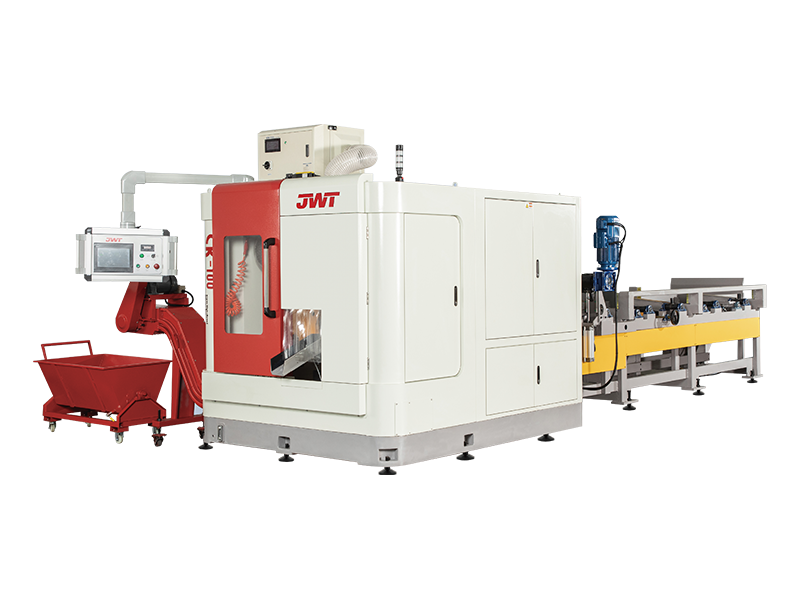
| High-Speed Circular Saw | Aluminum and non-ferrous profiles | Extremely fast cycle times |
Key Features to Look for in Modern Units
When evaluating an automatic saw machine for your facility, several "smart" features can significantly impact long-term ROI. These technological inclusions help bridge the gap between simple hardware and intelligent manufacturing.
- Variable Frequency Drive (VFD): Allows for precise adjustment of blade speed to match the specific hardness of the alloy.
- Bundle Clamping: The ability to clamp and cut multiple pieces of material at once, exponentially increasing output.
- Automatic Chip Conveyors: Removes metal shavings and debris from the machine base to prevent jamming and downtime.
- Touchscreen Interface: Simplifies the programming of cut lists, allowing operators to store "jobs" for quick recall in the future.
Maintenance Best Practices for Longevity
To maintain the precision of an automatic saw machine, a rigorous maintenance schedule is required. Because these machines often run for multiple shifts, wear and tear on the guide arm and hydraulic seals can accumulate quickly. Operators should perform daily checks on fluid levels and inspect the blade guides for any signs of misalignment. Properly tensioning the blade is also crucial; an under-tensioned blade will "wander," leading to crooked cuts and potential breakage, while over-tensioning can cause premature bearing failure. Regular cleaning of the material sensors is equally important to ensure the automated feeding system continues to register material presence accurately.
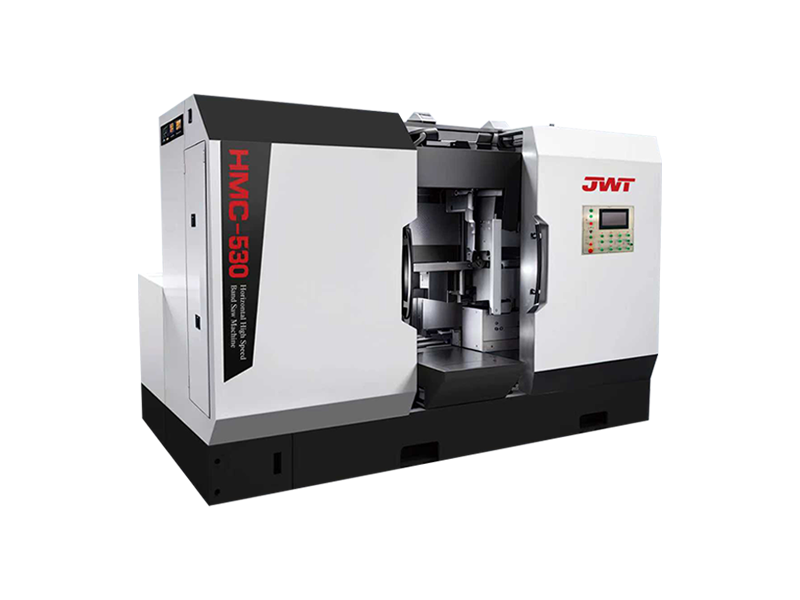
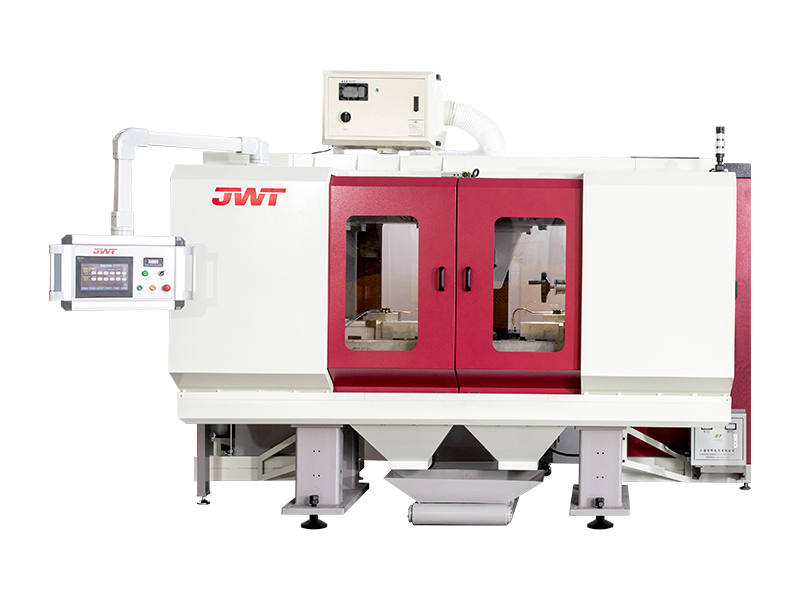

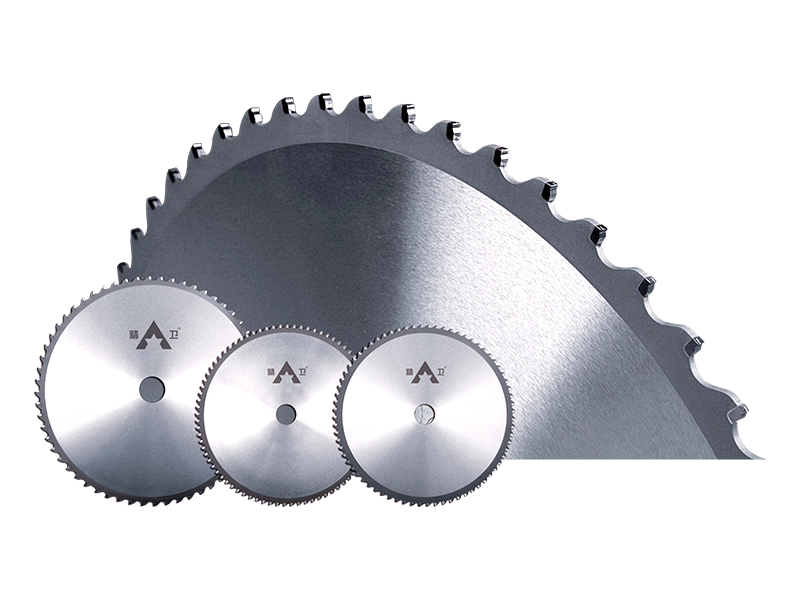
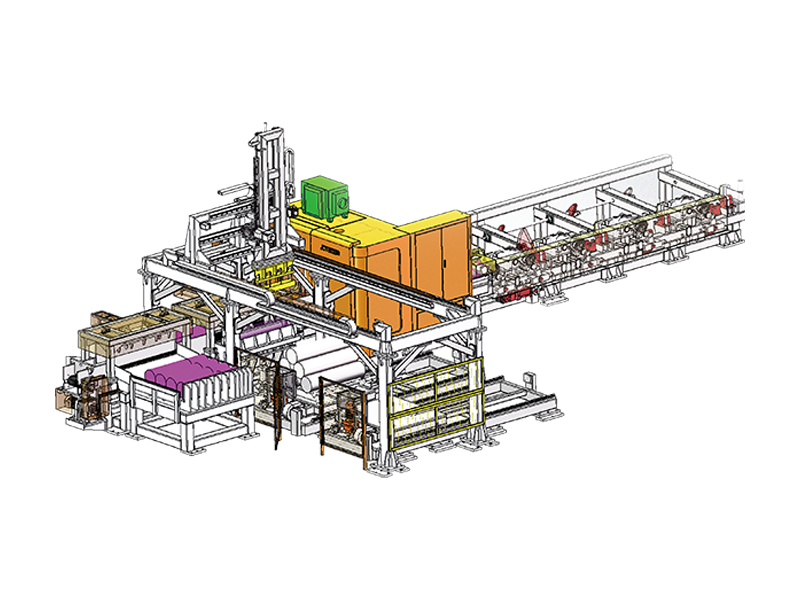
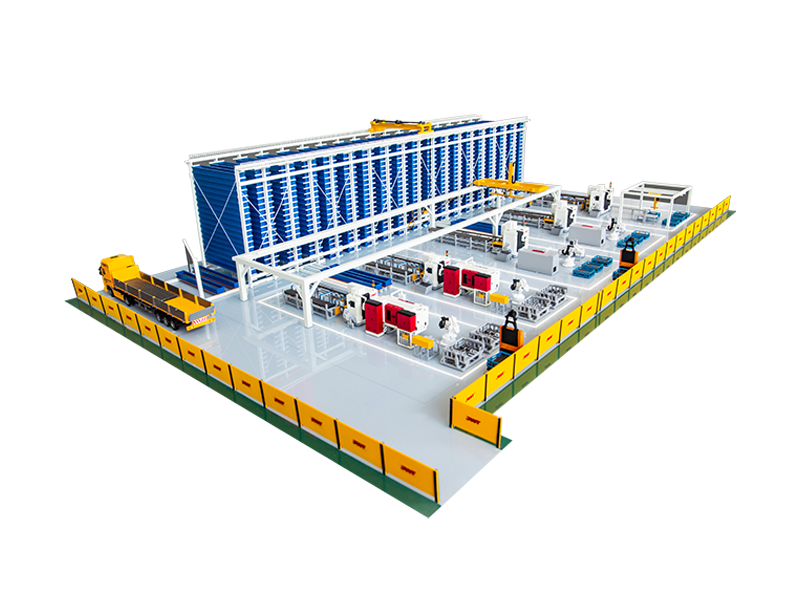
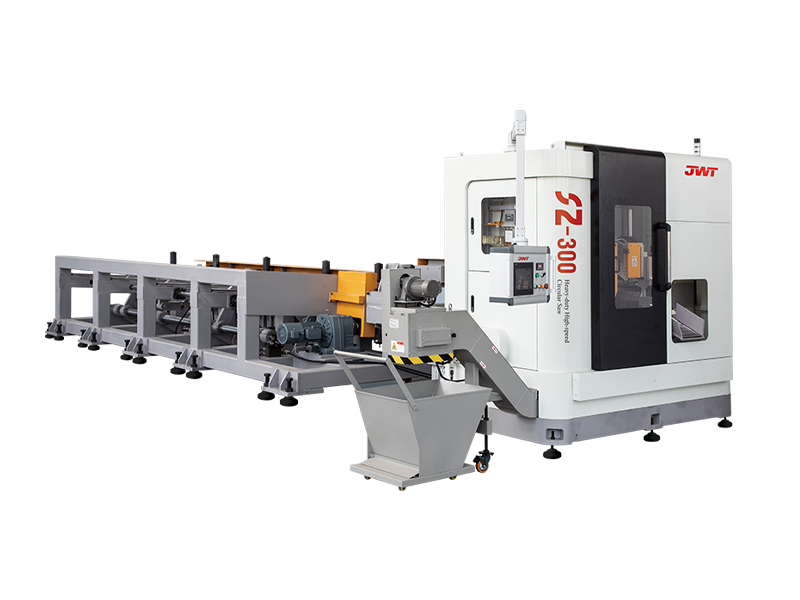
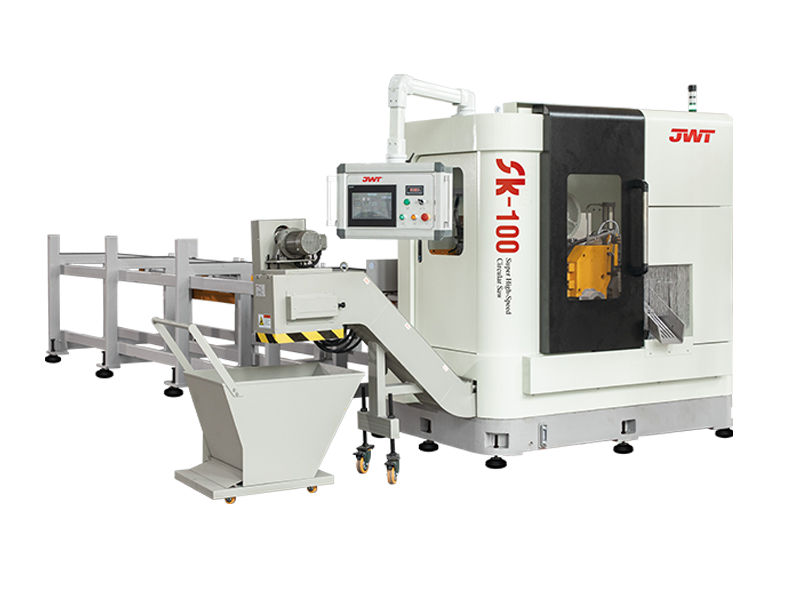

If you are interested in our Circular Saw Machine or production line, please consult us
CONTACT DETAILS
Zhejiang Jingweite Machine Tool Co.,Ltd.
- No.661 Jiyi Road, Wanghai Hi-tech Industrial Park, Haiyan, Jiaxing City, Zhejiang Province
- TEL:+86-0573-86035661
- E-Mail: [email protected]
Products
Quick link
Mobile terminal
