

 中文简体
中文简体 русский
The Steel Teeth of Precision: Understanding the Industrial Automatic Circular Saw Machine
 2025.12.04
 Industry News
Content
The Revolution of Cutting Technology
For centuries, the fundamental act of cutting materials has been central to human industry, from simple carpentry to massive infrastructure projects. But as the demand for speed, accuracy, and sheer volume grew in the industrial age, traditional manual methods simply couldn’t keep up. Enter the industrial automatic circular saw machine—a powerful piece of equipment that revolutionized how we process materials like metal, plastic, and even advanced composites.
This machine is far more than just a big, fast saw. It represents a confluence of mechanical engineering, automation, and material science, designed to perform high-volume, repetitive cutting tasks with tolerances often measured in fractions of a millimeter.
Anatomy of an Automated Cutter
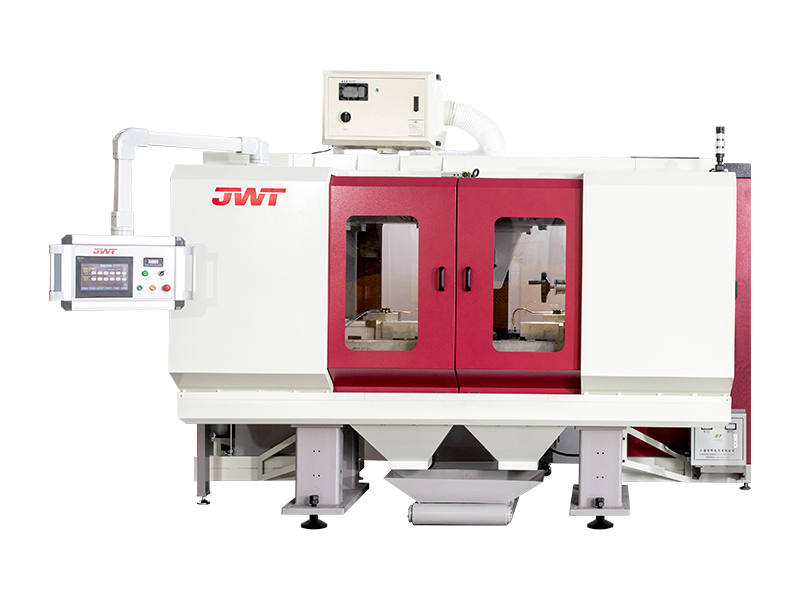
While designs vary depending on the material and application (e.g., cold saws for metal versus panel saws for wood), the core components of an industrial automatic circular saw machine share a common architecture:
The Blade and Spindle
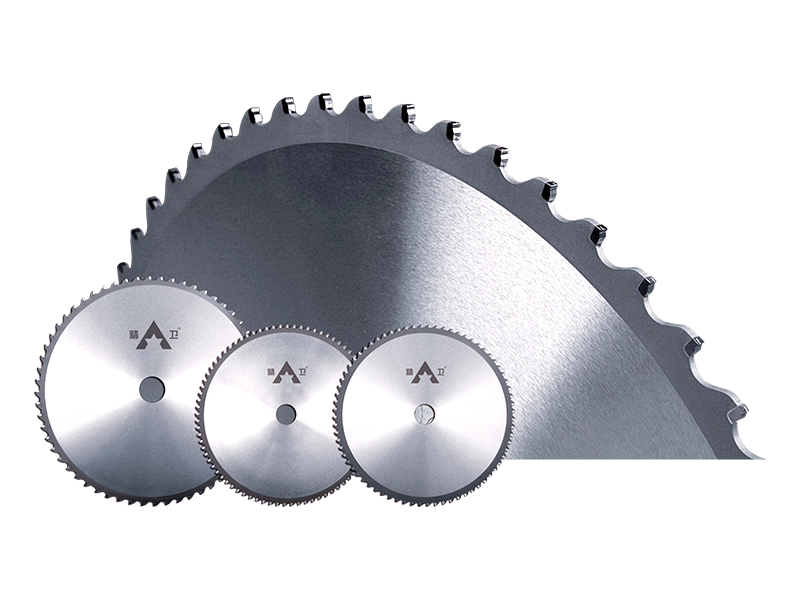
The heart of the machine is the circular blade. Unlike a handsaw, this blade is a disc with precisely engineered teeth mounted on a rotating shaft called the spindle.
- Blade Material: For cutting hard metals like steel, the blades are often made of High-Speed Steel (HSS) or tipped with carbide (a much harder compound), allowing them to withstand the enormous heat and friction generated during a cut.
- Cutting Action: The blade rotates at extremely high speeds, with the teeth shearing or abrading the material, turning the material into chips or sawdust. In metalworking, specialized cold saws use slow, high-torque rotation to minimize heat buildup, leaving a clean, burr-free cut.
The Feeding and Clamping System
Accuracy and automation depend heavily on how the material is held and advanced. This is where the “automatic” part of the machine truly shines.
- Vices and Clamps: Powerful hydraulic or pneumatic vices firmly grip the stock material (e.g., a long metal bar or pipe) on both sides of the cut line. This stability is crucial to prevent vibration, which can ruin the finish or even damage the blade.
- Automatic Feeder: A computer-controlled system, often using a servo motor or stepper motor, pushes the material forward after each cut to the exact programmed length. This allows the machine to process an entire bundle of material without human intervention, ensuring every piece is identical. This process is sometimes called indexing.
The Control System: PLC
The machine’s brain is typically a Programmable Logic Controller (PLC). This industrial computer allows operators to program the sequence of operations: feed length, number of pieces, cutting speed (RPM), and even the pressure exerted by the saw head. The PLC ensures repeatable, lights-out operation, dramatically increasing productivity and reducing human error.
The Power of Precision: Applications in Industry
The industrial automatic circular saw machine is an indispensable tool in modern manufacturing, enabling precision and efficiency across diverse sectors:
| Industry | Application | Material Processed |
|---|---|---|
| Construction | Cutting structural beams, pipes, and tubing for buildings and bridges. | Steel, aluminum, various alloys |
| Automotive | Mass production of components like axles, chassis members, and exhaust piping. | High-strength steel, stainless steel |
| Furniture/Cabinetry | Precisely cutting large wooden panels (panel saws). | Plywood, MDF, particleboard |
| Aerospace | Processing expensive, high-performance alloys for aircraft parts. | Titanium, specialized aluminum alloys |
Safety and the Future of Cutting
Operator Safety and Maintenance
Industrial saws are powerful and potentially dangerous machines. Modern designs incorporate numerous safety features, including fully enclosed cutting areas, safety interlocks that prevent operation when guards are open, and advanced cooling systems (like flood coolants for metal) to manage heat and dust. Proper training and regular maintenance, especially of the blade, are critical to ensuring both safety and cut quality.
The Next Generation: Smart Saws
The future of these machines is trending toward greater intelligence and integration. Next-generation saws are equipped with sensors for:
- Blade Monitoring: Detecting excessive vibration or wear in real-time and adjusting cutting parameters automatically.
- Material Recognition: Using cameras or sensors to identify the type and size of stock material and automatically load the correct cutting program.
- Data Reporting: Connecting to factory networks (the Industrial Internet of Things - IIoT) to report production rates, maintenance needs, and efficiency metrics, enabling predictive maintenance and greater overall factory optimization.
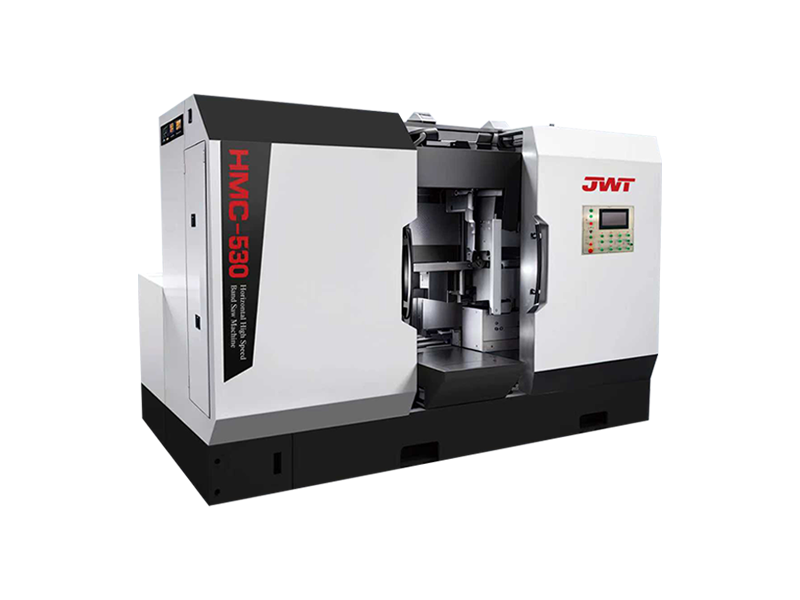
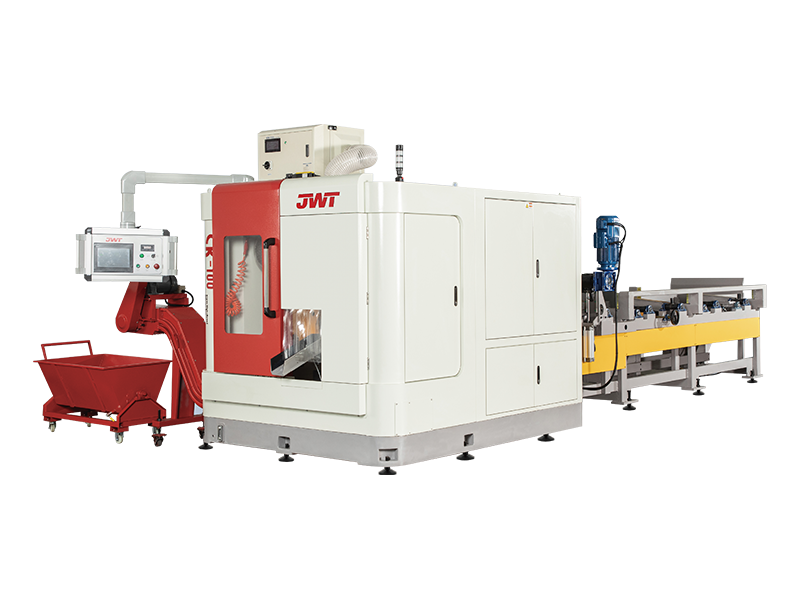
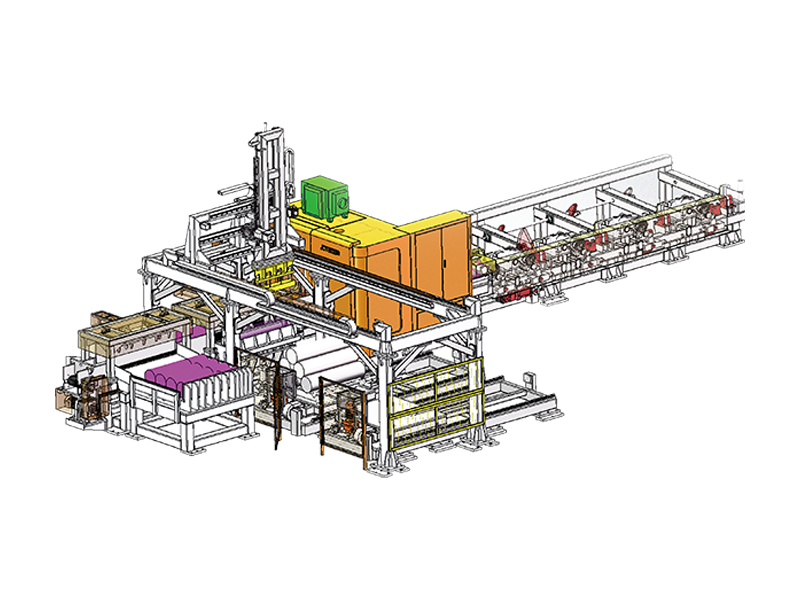
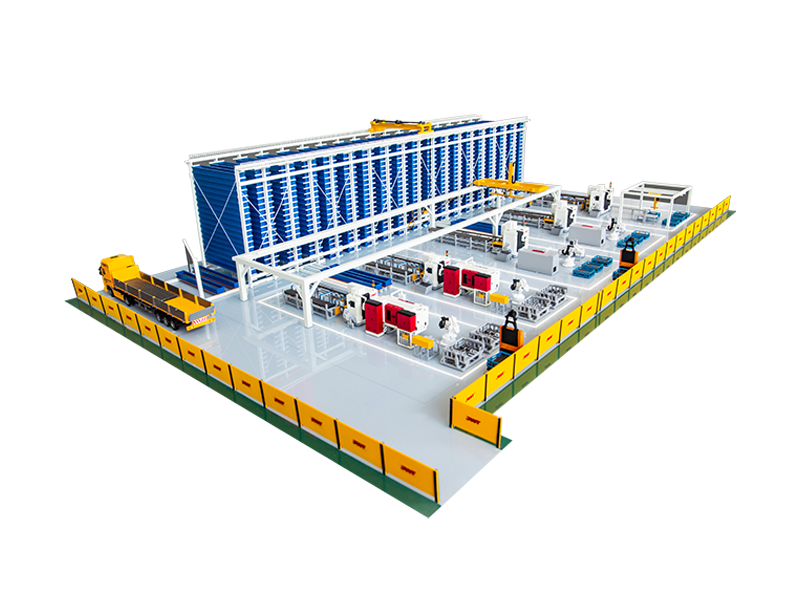
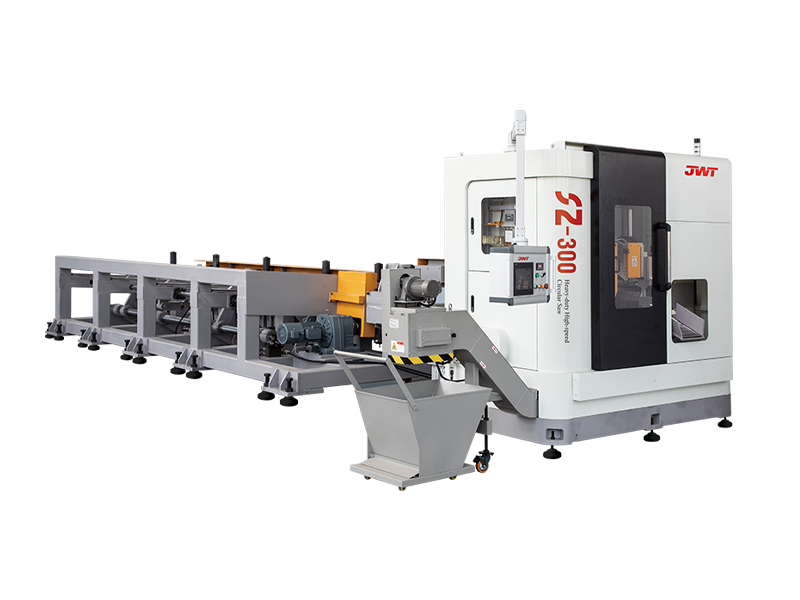
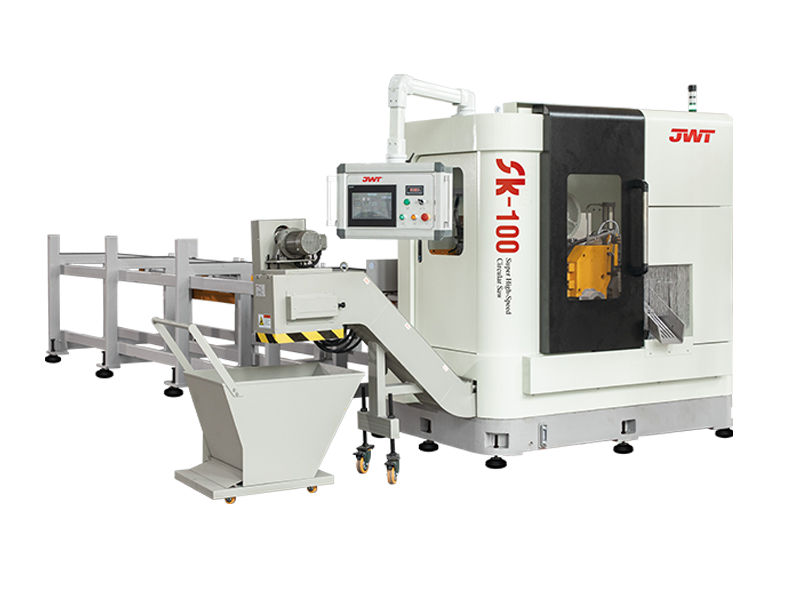

If you are interested in our Circular Saw Machine or production line, please consult us
CONTACT DETAILS
Zhejiang Jingweite Machine Tool Co.,Ltd.
- No.661 Jiyi Road, Wanghai Hi-tech Industrial Park, Haiyan, Jiaxing City, Zhejiang Province
- TEL:+86-0573-86035661
- E-Mail: [email protected]
Products
Quick link
Mobile terminal
