

 中文简体
中文简体 русский
Super High Speed Circular Saw Machine: What It Is and How to Choose the Right One
 2026.07.31
 Industry News
Content
- 1 What Makes a Circular Saw Machine "Super High Speed"
- 2 How the Cutting Process Works at High Speed
- 3 Where These Machines Get Used Across Industries
- 4 Comparing Standard vs High Speed Circular Saw Machines
- 5 Key Factors to Evaluate Before Buying One
- 6 Maintenance Tips to Keep Cutting Performance Consistent
What Makes a Circular Saw Machine "Super High Speed"
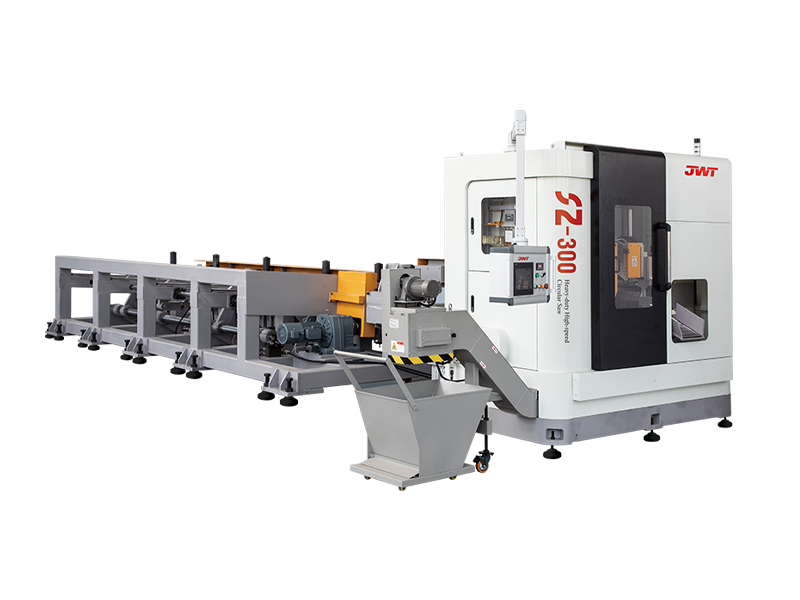
A super high speed circular saw machine is an industrial cutting machine built to slice through metal bars, tubes, profiles, or wood stock at spindle speeds and feed rates far beyond what a standard circular saw can handle. While a typical industrial saw might run at a few hundred RPM for cold cutting, a high speed unit can push into the thousands of RPM range, using specialized carbide-tipped or coated blades designed to handle the extra heat and friction generated at those speeds. The result is a much faster cut cycle, cleaner edges, and higher throughput on production lines that need to process large volumes of material without slowing down.
This speed advantage isn't just about cutting faster for the sake of it. In many metal fabrication and tube processing industries, cycle time directly determines how many parts a factory can ship per day. A super high speed saw shortens each individual cut, which adds up to a meaningful difference across thousands of parts run every week.
How the Cutting Process Works at High Speed
Cutting at high RPM introduces challenges that don't exist at slower speeds, mainly heat buildup and blade wear. Manufacturers address this through a combination of blade design, cooling systems, and precise feed control that work together during every cut.
Blade Design and Coating
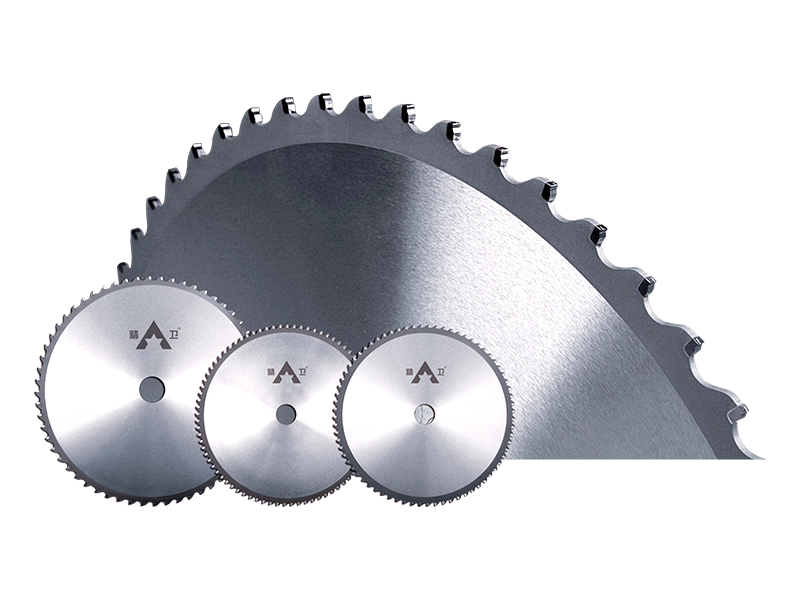
High speed circular saw blades typically use carbide tips or specialized coatings like titanium nitride to resist the extreme heat generated from friction at high RPM. The tooth geometry is also different from standard blades, often featuring fewer, larger teeth designed to clear chips quickly and avoid clogging during fast material removal.
Coolant and Lubrication Systems
Most high speed machines use a continuous coolant spray or mist system aimed directly at the cutting zone. This keeps blade temperature down, extends blade life significantly, and prevents the workpiece from warping due to localized heat buildup during the cut.
Automated Feed Control
Feed rate has to be carefully matched to blade speed and material hardness. Most modern high speed saws use servo-controlled feed systems that automatically adjust pressure and speed based on the material being cut, which reduces the risk of blade binding or premature wear from operator error.
Where These Machines Get Used Across Industries
Super high speed circular saw machines show up wherever consistent, fast, repetitive cutting is part of the production process. Their use spans several industries that rely on precision and volume in equal measure.
- Metal tube and pipe fabrication, where bars need to be cut to exact lengths at high volume for construction or automotive parts.
- Aluminum profile cutting for window frames, door frames, and architectural extrusions.
- Automotive component manufacturing, where shafts, rods, and structural parts require clean, repeatable cuts.
- Furniture and woodworking production lines that cut large panel stock into standardized sizes at speed.
- Steel service centers that process large coil or bar stock into custom lengths for downstream customers.
In each of these settings, the appeal is the same: shorter cycle times mean more parts produced per shift without adding extra labor or floor space.
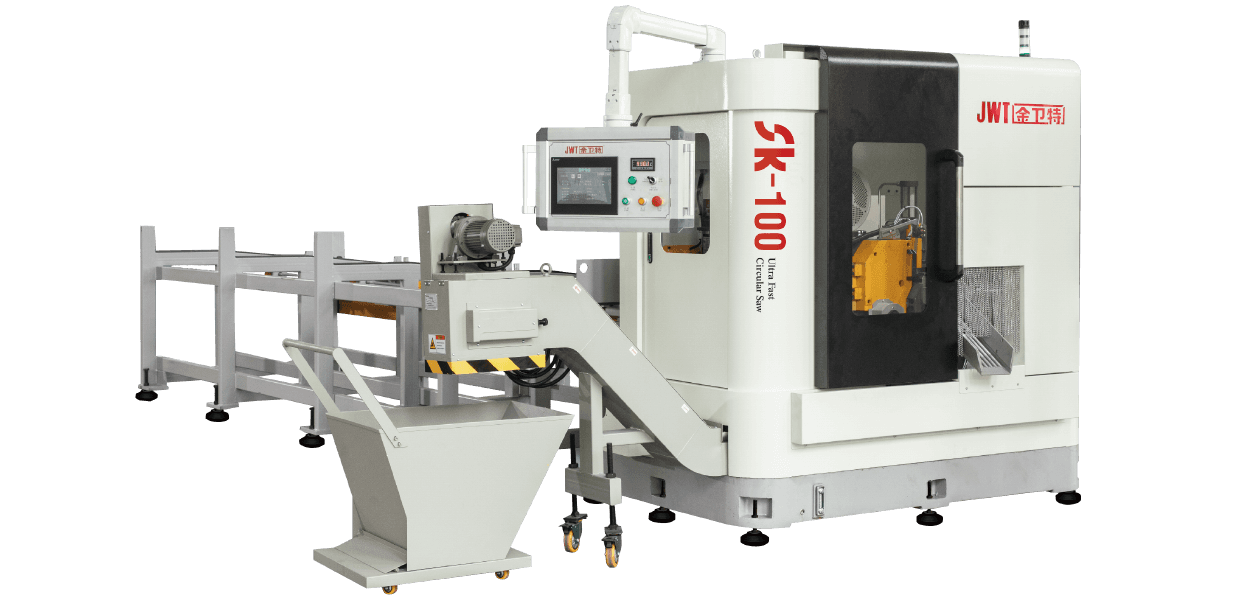
Comparing Standard vs High Speed Circular Saw Machines
Understanding the practical differences between a standard industrial saw and a high speed version helps clarify whether the upgrade is worth it for a given production line.
| Feature | Standard Circular Saw | Super High Speed Saw |
| Typical Blade Speed | Several hundred RPM | Several thousand RPM |
| Cooling Requirement | Basic or optional | Continuous coolant system required |
| Cycle Time per Cut | Slower | Significantly faster |
| Blade Wear Rate | Lower per cut, standard material | Higher, requires specialized blades |
| Upfront Machine Cost | Lower | Higher |
Key Factors to Evaluate Before Buying One
Since these machines represent a significant investment, it pays to evaluate a few specific factors before committing to a purchase rather than just comparing sticker prices between suppliers.
- Confirm the machine's rated cutting capacity matches the diameter and material hardness of the stock you actually run day to day.
- Ask about blade replacement cost and availability, since specialized high speed blades can be significantly pricier than standard ones.
- Check the coolant system's capacity and whether it recirculates or requires frequent refilling during long shifts.
- Verify noise and enclosure requirements, since high speed cutting can generate more noise than standard operations, which may affect workplace safety compliance.
- Look into the availability of local technical support, since high speed machines have more sensitive components that benefit from responsive service.
Taking time to check these details upfront helps avoid the common mistake of buying a machine based on top speed alone, only to find that blade costs or coolant demands make daily operation more expensive than expected.
Maintenance Tips to Keep Cutting Performance Consistent
Regular maintenance is what keeps a super high speed circular saw machine performing at its rated capacity year after year. Skipping upkeep tends to show up first as rougher cut edges, then eventually as more serious mechanical issues.
- Inspect blade teeth regularly for chipping or dulling, since a worn blade forces the motor to work harder and generates excess heat.
- Check coolant fluid levels and concentration daily, topping off or replacing fluid before it becomes contaminated with metal filings.
- Clean chip and debris buildup from the machine bed and blade guard after every shift to prevent buildup from affecting cut accuracy.
- Lubricate feed rails and moving components on the manufacturer's recommended schedule to keep the feed motion smooth and precise.
- Monitor spindle bearing temperature periodically, since overheating bearings are often an early warning sign of a bigger mechanical issue developing.
A consistent maintenance schedule not only extends the machine's operational lifespan but also protects cut quality, which matters most in industries where tight tolerances determine whether a finished part passes inspection.
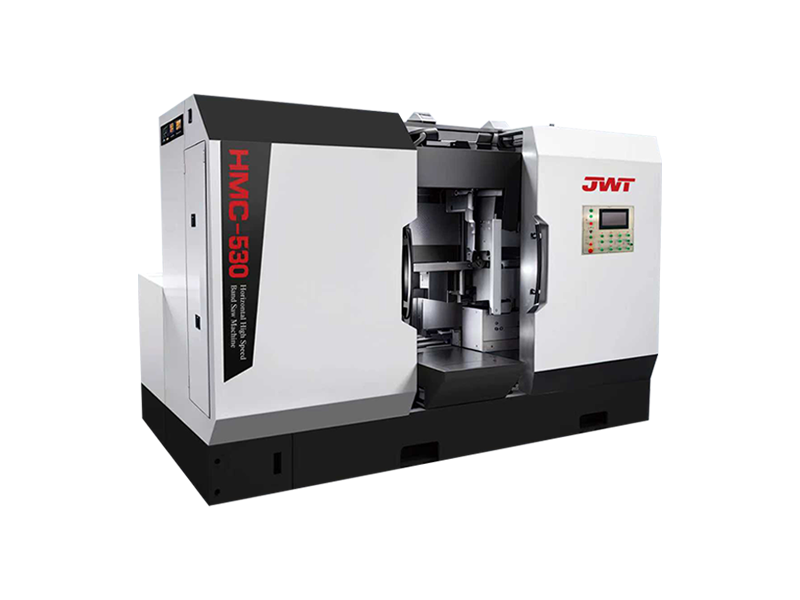
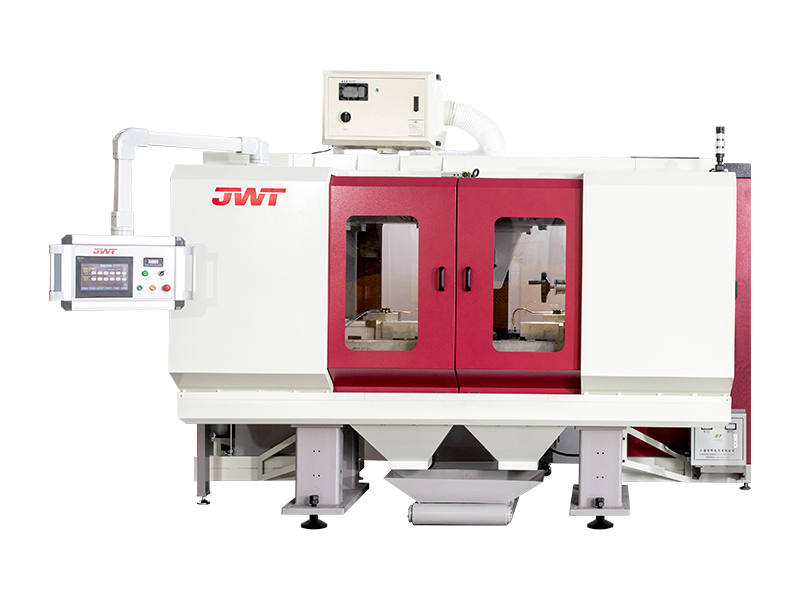
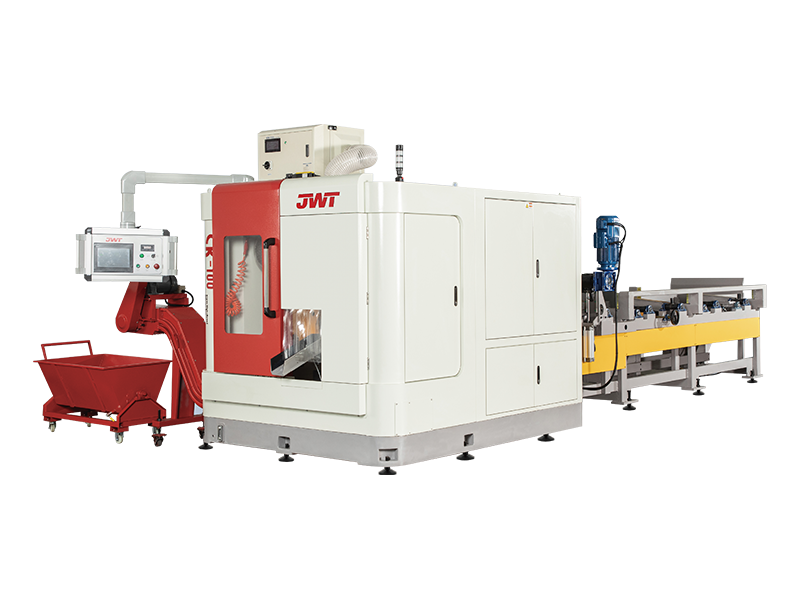
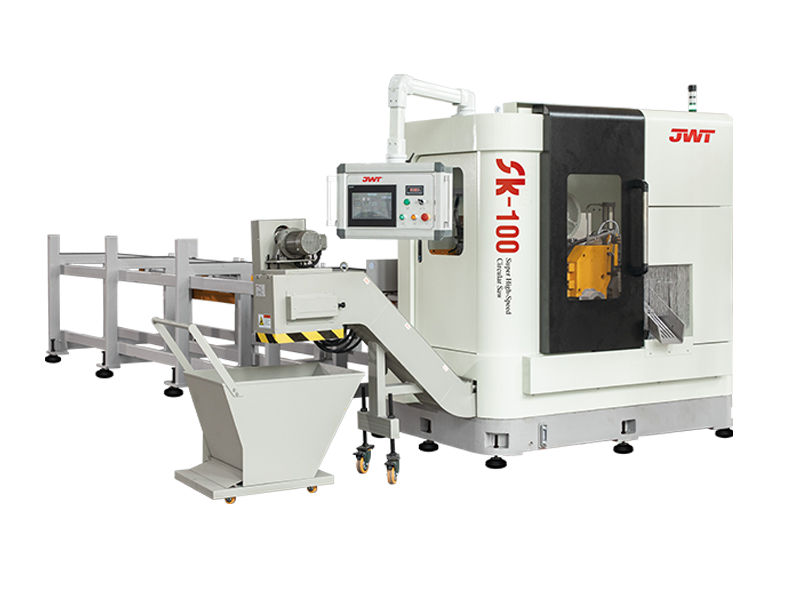

If you are interested in our Circular Saw Machine or production line, please consult us
CONTACT DETAILS
Zhejiang Jingweite Machine Tool Co.,Ltd.
- No.661 Jiyi Road, Wanghai Hi-tech Industrial Park, Haiyan, Jiaxing City, Zhejiang Province
- TEL:+86-0573-86035661
- E-Mail: [email protected]
Products
Quick link
Mobile terminal
