

 中文简体
中文简体 русский
Heavy Duty Saw Machine: A No-Nonsense Guide to Cutting Through Tough Jobs
 2026.08.04
 Industry News
When a standard power saw simply can't keep up with the demands of thick steel beams, dense hardwood, or high-volume production cutting, a heavy duty saw machine becomes essential shop equipment. Built with reinforced frames, powerful motors, and components designed to withstand continuous, high-stress operation, these machines are engineered specifically for industrial, construction, and fabrication environments where reliability and cutting precision cannot be compromised. This article breaks down the different types of heavy duty saw machines available, the features that separate them from lighter-duty tools, and practical guidance for selecting and maintaining one for demanding work.
Content
- 1 What Sets a Heavy Duty Saw Machine Apart from Standard Saws
- 2 Common Types of Heavy Duty Saw Machines
- 3 Key Features to Evaluate When Buying a Heavy Duty Saw Machine
- 4 Matching the Right Saw Machine to Your Material
- 5 Safety Practices for Operating a Heavy Duty Saw Machine
- 6 Maintenance Tips to Extend the Life of Your Saw Machine
What Sets a Heavy Duty Saw Machine Apart from Standard Saws
The term "heavy duty" refers to more than just a larger motor. A heavy duty saw machine is built from the ground up with reinforced components designed to handle continuous operation, thicker or denser materials, and the vibration and stress that come with high-torque cutting. This typically includes a heavier gauge steel frame, industrial-grade bearings, and motors rated for extended duty cycles rather than intermittent home or light commercial use.
Standard saws are generally designed with cost and portability in mind, often sacrificing long-term durability for affordability and ease of use. In contrast, heavy duty saw machines prioritize structural rigidity and component longevity, since these tools are typically expected to run for many hours a day, cutting through tougher materials without the frequent breakdowns or performance degradation that a lighter machine would experience under similar conditions.
Common Types of Heavy Duty Saw Machines
Heavy duty saw machines come in several distinct configurations, each suited to different materials and cutting applications. Understanding these categories helps clarify which type fits a specific job.
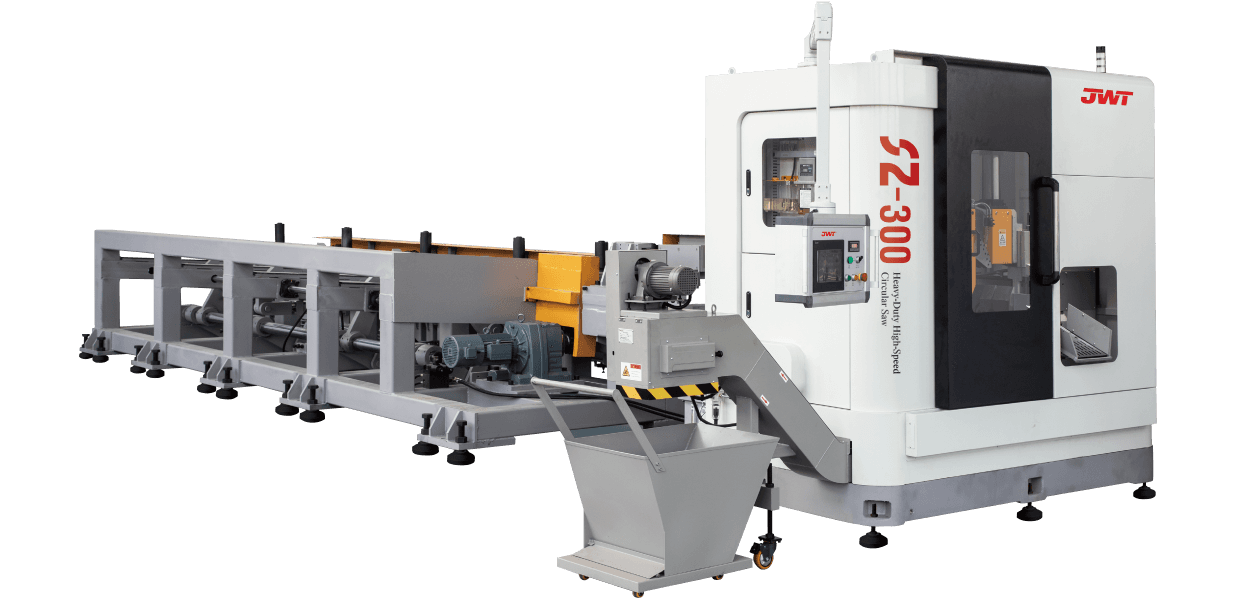
Heavy Duty Circular Saws
These machines use a rotating circular blade and are commonly used for straight, high-precision cuts through wood, metal sheet, or composite materials. Industrial circular saws often include adjustable cutting angles and depth settings to accommodate a range of material thicknesses.
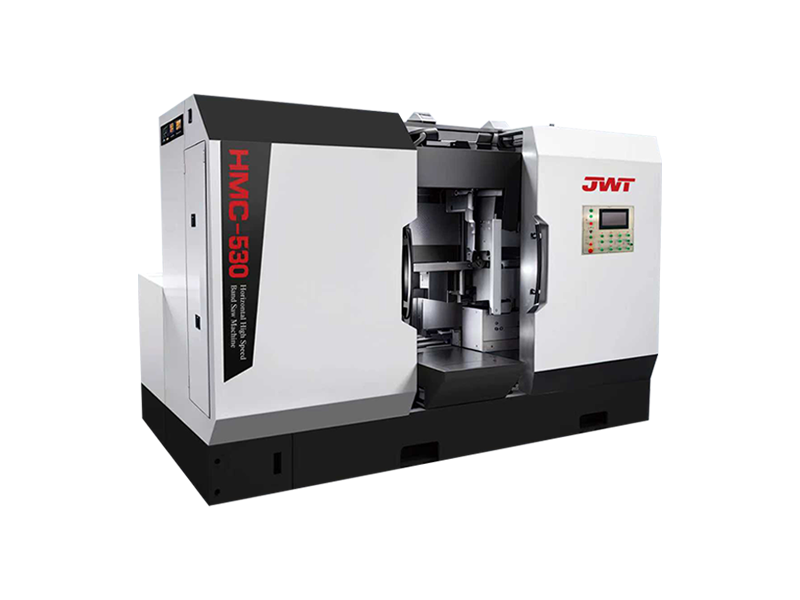
Band Saws
Using a continuous looped blade, band saws are particularly effective for cutting curves, irregular shapes, or thick stock material. Heavy duty band saws are widely used in metal fabrication shops for cutting structural steel, pipe, and heavy bar stock.
Cold Saws
Cold saws use a slow-speed circular blade specifically designed to cut through metal without generating excessive heat, which helps preserve blade life and produces a cleaner, burr-free cut. These are common in metalworking and structural fabrication environments.
Abrasive Cutoff Saws
Rather than using a toothed blade, abrasive cutoff saws use a high-speed abrasive wheel to grind through material, making them well-suited for cutting hardened steel, rebar, and other tough materials that would quickly dull a conventional blade.
Key Features to Evaluate When Buying a Heavy Duty Saw Machine
Choosing the right machine requires looking beyond horsepower alone. The following features play a major role in long-term performance and reliability.
- Motor power and duty cycle rating — determines how much continuous use the machine can handle without overheating
- Frame construction — heavier steel frames reduce vibration and improve cutting accuracy over time
- Blade size and compatibility — larger blade capacity allows for cutting thicker material in a single pass
- Adjustable cutting angles — useful for miter cuts and angled fabrication work
- Safety guarding and blade brakes — critical for reducing injury risk during high-torque operation
- Coolant or lubrication systems — particularly important for metal-cutting saws to reduce heat buildup and extend blade life
Matching the Right Saw Machine to Your Material
Different materials place very different demands on a saw machine, and selecting the wrong type can lead to poor cut quality, excessive blade wear, or even equipment damage. The table below outlines general recommendations based on common material types.
| Material | Recommended Saw Type | Key Consideration |
| Structural Steel | Cold saw or band saw | Low heat generation preserves blade edge |
| Hardened Metal or Rebar | Abrasive cutoff saw | Handles extreme hardness without dulling quickly |
| Thick Hardwood | Heavy duty circular saw | Adjustable depth for consistent cut quality |
| Pipe and Tubing | Band saw | Handles round stock and angled cuts effectively |
| Sheet Metal | Heavy duty circular saw | Precise, straight cuts with minimal burring |
Safety Practices for Operating a Heavy Duty Saw Machine
Given the power and cutting force involved, safety cannot be an afterthought when working with industrial-grade saw equipment. Operators should always wear appropriate personal protective equipment, including safety glasses, hearing protection, and cut-resistant gloves where applicable, though gloves should generally be avoided when hands must be near the blade itself.
Proper Material Clamping
Material being cut should always be securely clamped or fixtured before starting the saw. Unsecured material can shift during cutting, leading to blade binding, kickback, or an inaccurate cut that compromises both safety and finished quality.
Regular Blade Inspection
Blades should be inspected before each use for cracks, missing teeth, or excessive wear. A damaged or dull blade not only produces poor cut quality but also increases the risk of binding or sudden blade failure during operation.
Maintenance Tips to Extend the Life of Your Saw Machine
Routine maintenance plays a major role in how long a heavy duty saw machine remains reliable under demanding daily use. Keeping the machine clean of metal shavings, sawdust, and debris prevents buildup that can interfere with moving parts or clog cooling and lubrication systems.
Motor and bearing components should be checked periodically for unusual noise or vibration, which often signals early wear before a more serious failure occurs. For saws equipped with coolant systems, fluid levels and quality should be monitored regularly, as degraded coolant can reduce cooling efficiency and accelerate blade wear. Finally, belts, chains, or drive components should be inspected for tension and wear, since a loose or worn drive system can reduce cutting power and precision over time.
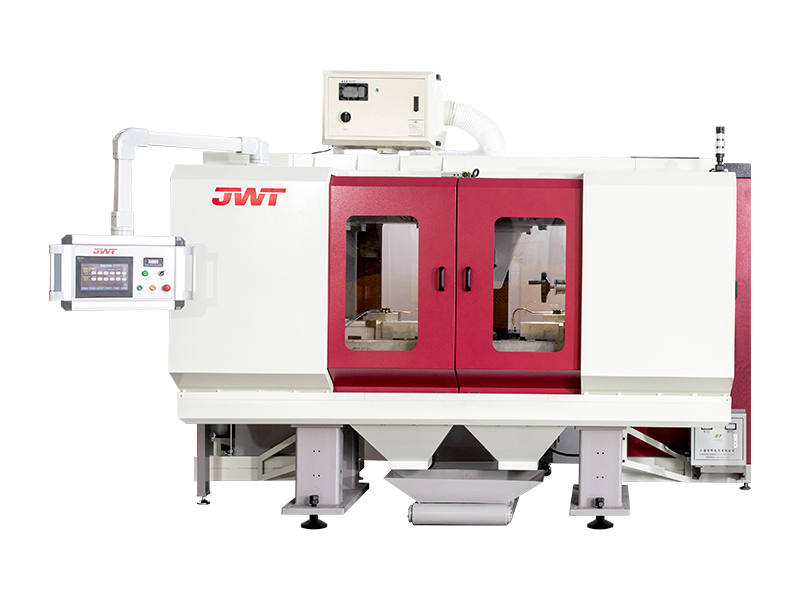
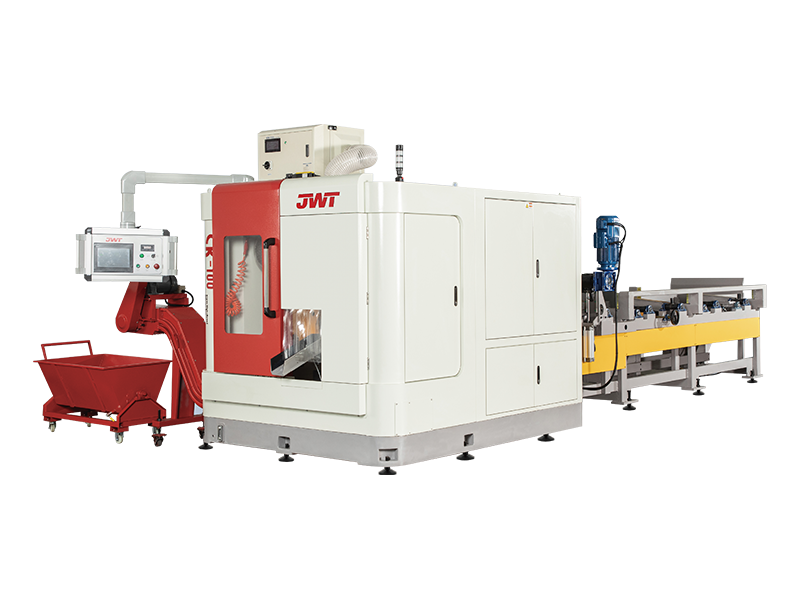
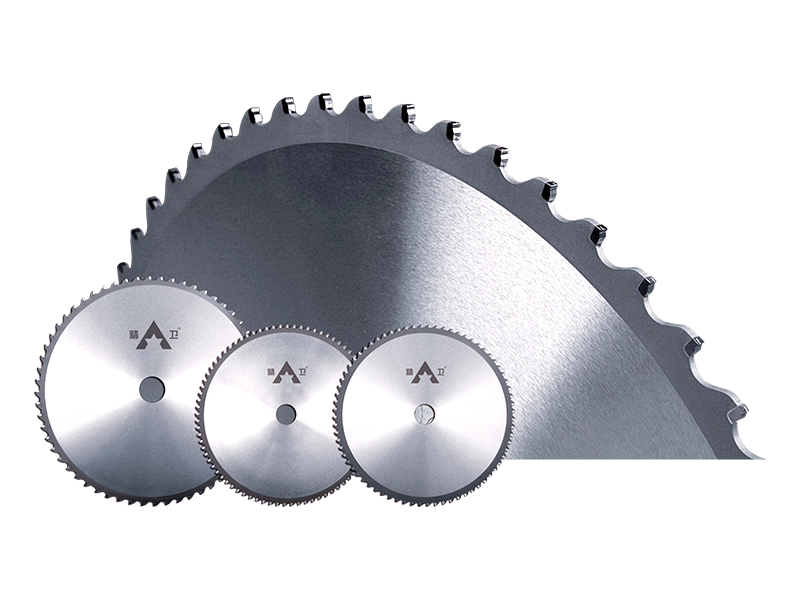
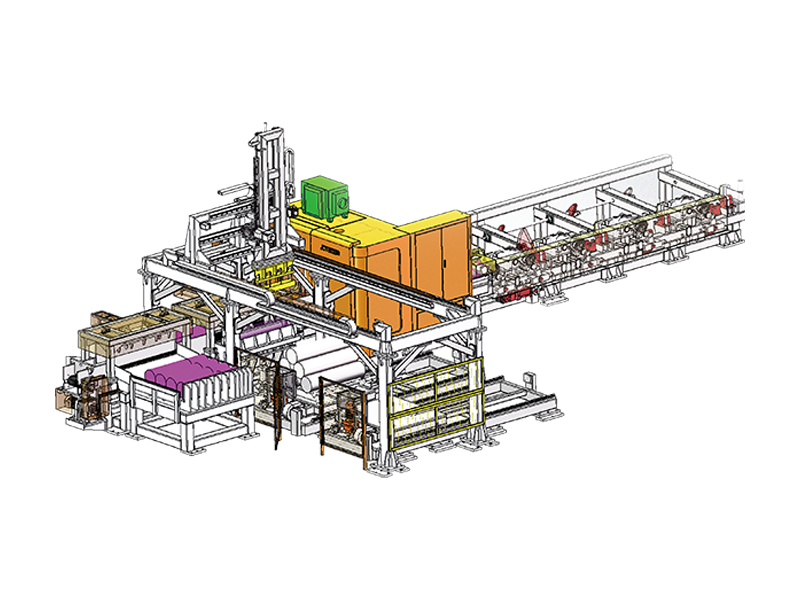
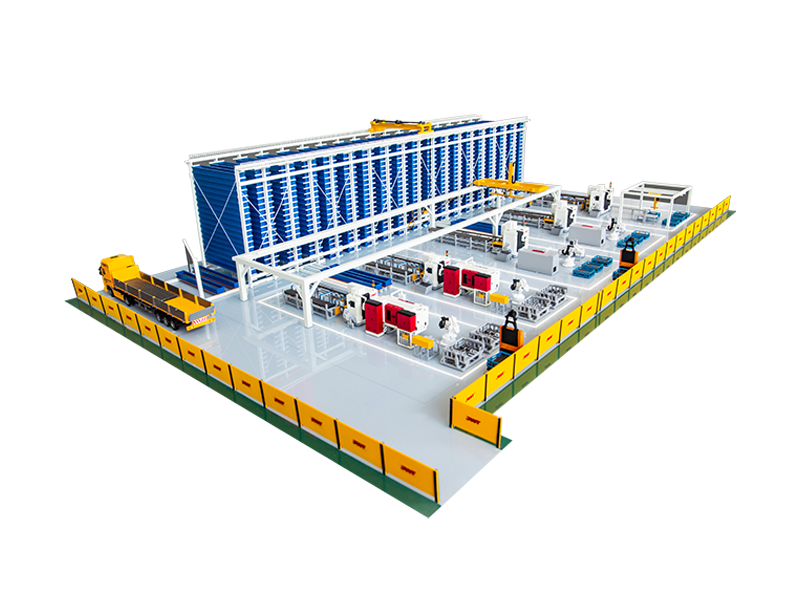
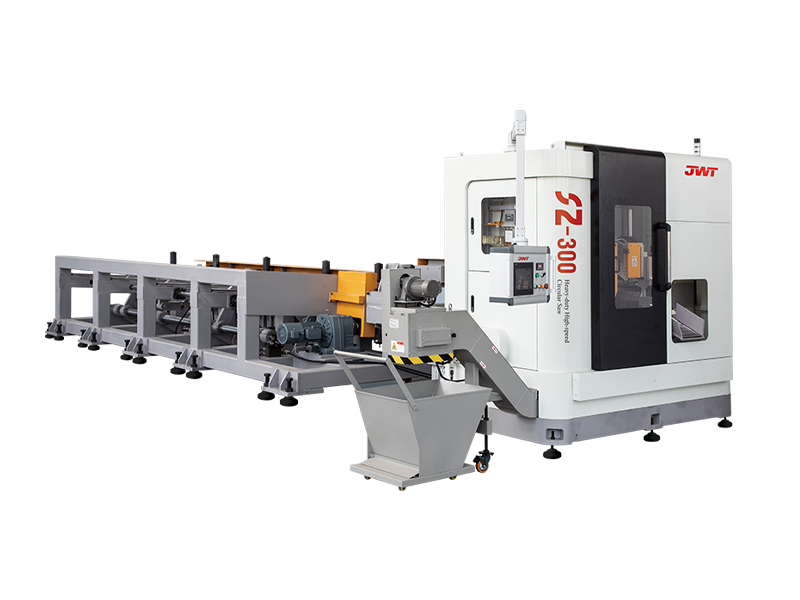
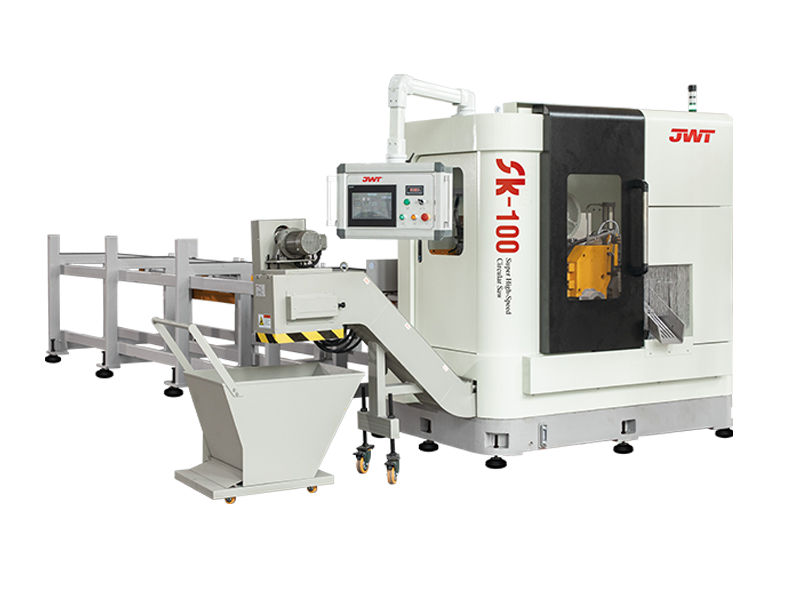

If you are interested in our Circular Saw Machine or production line, please consult us
CONTACT DETAILS
Zhejiang Jingweite Machine Tool Co.,Ltd.
- No.661 Jiyi Road, Wanghai Hi-tech Industrial Park, Haiyan, Jiaxing City, Zhejiang Province
- TEL:+86-0573-86035661
- E-Mail: [email protected]
Products
Quick link
Mobile terminal
