

 中文简体
中文简体 русский
Single Head Chamfering Machine Explained: The Simple Way to Get Clean, Safe Edges Every Time
 2026.07.21
 Industry News
Content
- 1 What a Single Head Chamfering Machine Does and Why Workshops Rely On It
- 2 How a Single Head Chamfering Machine Works
- 3 Common Applications Across Different Industries
- 4 Advantages of Choosing a Single Head Design
- 5 How to Choose the Right Single Head Chamfering Machine
- 6 Maintenance Practices That Keep the Machine Running Reliably
- 7 Final Thoughts on Investing in a Single Head Chamfering Machine
What a Single Head Chamfering Machine Does and Why Workshops Rely On It
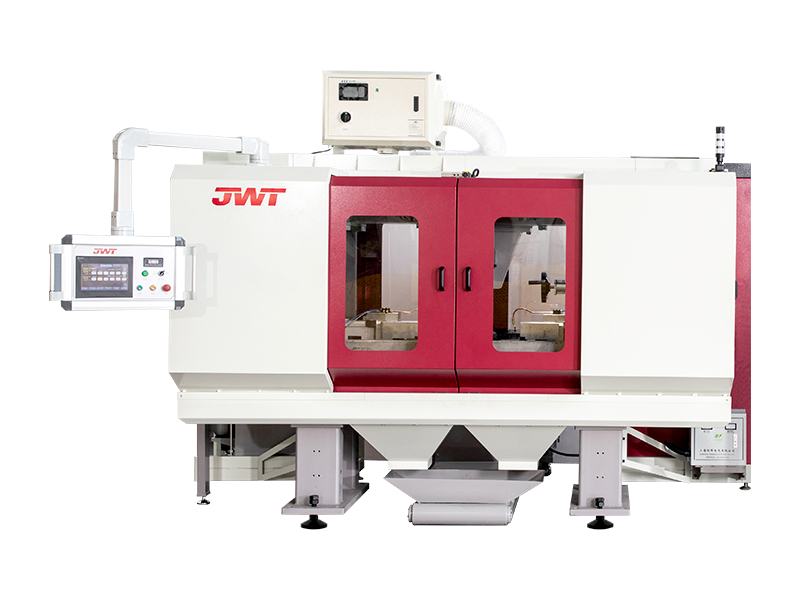
Anyone who has worked with metal, wood, or plastic parts knows that sharp edges are more than just a safety hazard, they can also cause problems during assembly, coating, or finishing. A single head chamfering machine solves this problem by cutting a precise angled edge, known as a chamfer, along the edge or corner of a workpiece. Unlike manual deburring with a file or grinder, this equipment delivers consistent, repeatable results at a much faster pace, making it a practical choice for workshops that process parts in volume.
As manufacturing tolerances become tighter and customers expect cleaner, more professional-looking finished parts, more small and mid-sized workshops are investing in a single head chamfering machine instead of relying entirely on manual finishing methods. Understanding how this equipment works, what it can and cannot do, and how to choose the right model can help shop owners make a more informed purchasing decision.
How a Single Head Chamfering Machine Works
A single head chamfering machine uses a single rotating cutting head, typically fitted with a specialized chamfering tool or cutter, to remove material along the edge of a workpiece at a set angle. The workpiece is either fed manually or through a clamping and feeding mechanism, while the cutting head rotates at high speed to shave away material and create a smooth, angled edge.
| Component | Function |
| Cutting head | Rotates at high speed to shave material and form the chamfer |
| Clamping fixture | Holds the workpiece steady during the cutting process |
| Angle adjustment mechanism | Sets the specific chamfer angle required for the job |
| Feed system | Moves the workpiece past the cutting head at a controlled speed |
| Dust or chip collection | Removes cutting debris to keep the work area clean |
Because it uses only one cutting head, a single head chamfering machine typically processes one edge at a time, which makes it well suited for smaller batch runs or shops that need flexibility to switch between different chamfer angles and part shapes throughout the day.
Common Applications Across Different Industries
Metal Fabrication and Machining
In metal fabrication shops, a single head chamfering machine is frequently used to deburr and chamfer edges on plates, brackets, and machined components after cutting or punching operations. This step is essential for removing sharp burrs that could injure workers or interfere with proper assembly fit during later production stages.
Glass and Acrylic Edge Finishing
Glass and acrylic processing facilities often rely on a single head chamfering machine to create smooth, polished edges on cut sheets before they are used in furniture, display cases, or architectural applications. Proper edge chamfering in this context also reduces the risk of chipping or cracking during handling and installation.
Woodworking and Furniture Production
In woodworking shops, single head chamfering machines are used to create decorative or functional beveled edges on furniture panels, cabinet doors, and trim pieces. A consistent chamfer not only improves the visual appeal of finished furniture but also reduces the risk of splintering along raw wood edges.
Advantages of Choosing a Single Head Design
While multi-head chamfering machines exist for higher volume production, a single head chamfering machine offers specific advantages that make it the right choice for many workshops.
- Lower upfront investment compared to multi-head or fully automated chamfering systems
- Simpler operation and maintenance, since there is only one cutting head to calibrate and service
- Greater flexibility for switching between different chamfer angles and part types quickly
- Smaller footprint, making it easier to fit into workshops with limited floor space
- Easier for a single operator to run without requiring extensive specialized training
These advantages make single head chamfering machines especially popular among small to mid-sized shops that need reliable edge finishing without the complexity or cost associated with larger automated production lines.
How to Choose the Right Single Head Chamfering Machine
Match Capacity to Your Material Type and Thickness
Different single head chamfering machine models are built to handle specific material types and thickness ranges, so it is important to confirm that a machine can process your typical workpiece dimensions before purchasing. Attempting to chamfer material outside the machine's rated capacity can lead to poor cut quality or premature tool wear.
Check Angle Adjustment Range
Since different projects may call for different chamfer angles, look for a machine with a wide and easily adjustable angle range rather than a fixed single-angle setup. This flexibility allows your shop to take on a broader variety of jobs without needing to invest in additional equipment.
Consider Feed Speed and Production Volume Needs
If your shop processes a high volume of parts daily, prioritize a single head chamfering machine with adjustable feed speed controls that let you balance cutting quality against throughput. Slower feed speeds generally produce a smoother finish, while faster speeds increase output but may require more frequent tool sharpening.
Maintenance Practices That Keep the Machine Running Reliably
- Inspect and replace cutting tools regularly to maintain clean, precise chamfer edges
- Clean dust and chip collection systems frequently to prevent clogging and overheating
- Check clamping fixtures periodically to ensure workpieces remain securely held during cutting
- Lubricate moving parts according to the manufacturer's recommended maintenance schedule
- Calibrate angle settings routinely to confirm consistent chamfer accuracy across production runs
Staying on top of these maintenance tasks helps extend the working life of a single head chamfering machine while ensuring consistent edge quality across every batch of parts processed.
Final Thoughts on Investing in a Single Head Chamfering Machine
For workshops that need reliable, consistent edge finishing without the cost or complexity of multi-head automated systems, a single head chamfering machine offers a practical and flexible solution. By carefully matching machine capacity to your material types, confirming angle adjustment range, and staying consistent with routine maintenance, shop owners can achieve professional-quality chamfered edges that improve both part safety and overall finish quality across a wide range of production needs.
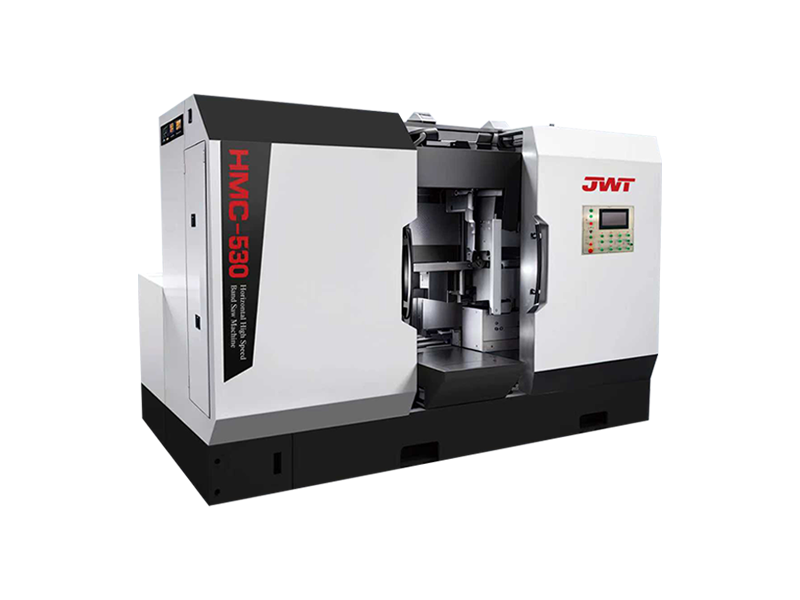
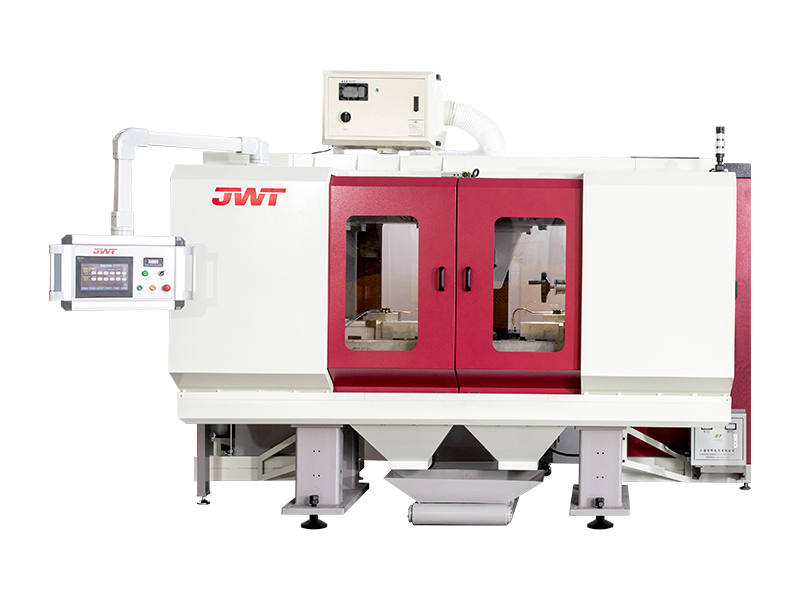
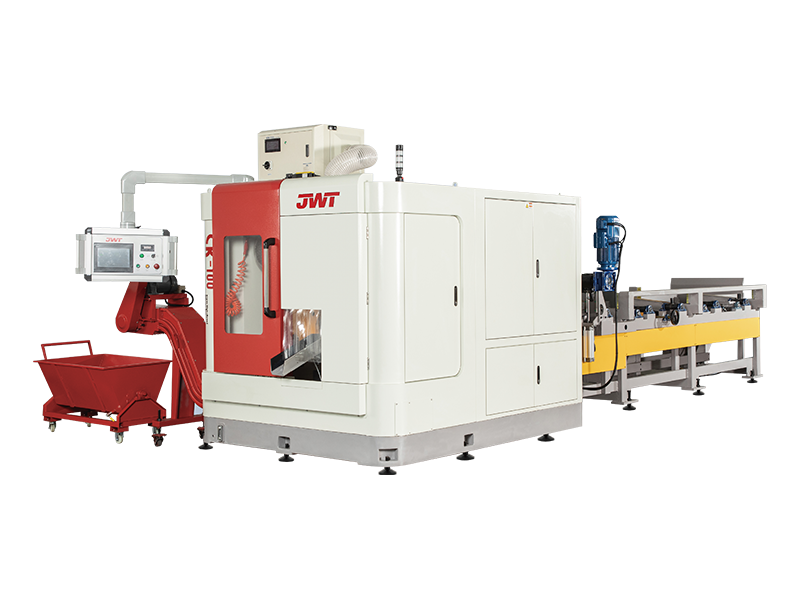
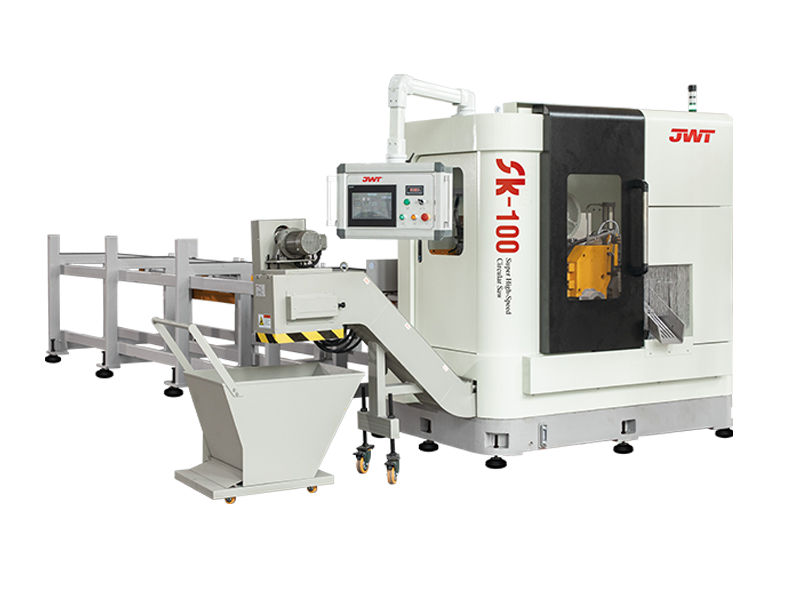

If you are interested in our Circular Saw Machine or production line, please consult us
CONTACT DETAILS
Zhejiang Jingweite Machine Tool Co.,Ltd.
- No.661 Jiyi Road, Wanghai Hi-tech Industrial Park, Haiyan, Jiaxing City, Zhejiang Province
- TEL:+86-0573-86035661
- E-Mail: [email protected]
Products
Quick link
Mobile terminal
