

 中文简体
中文简体 русский
Horizontal High Speed Band Saw Machine: A Practical Buying Guide
 2026.07.13
 Industry News
Content
- 1 What Is a Horizontal High Speed Band Saw Machine?
- 2 How This Machine Differs From Vertical Band Saws
- 3 Key Features That Affect Cutting Performance
- 4 Manual, Semi-Automatic, and Fully Automatic Options
- 5 Common Applications Across Industries
- 6 Maintenance Practices That Extend Machine Life
- 7 Sourcing Tips Before Making a Purchase
What Is a Horizontal High Speed Band Saw Machine?
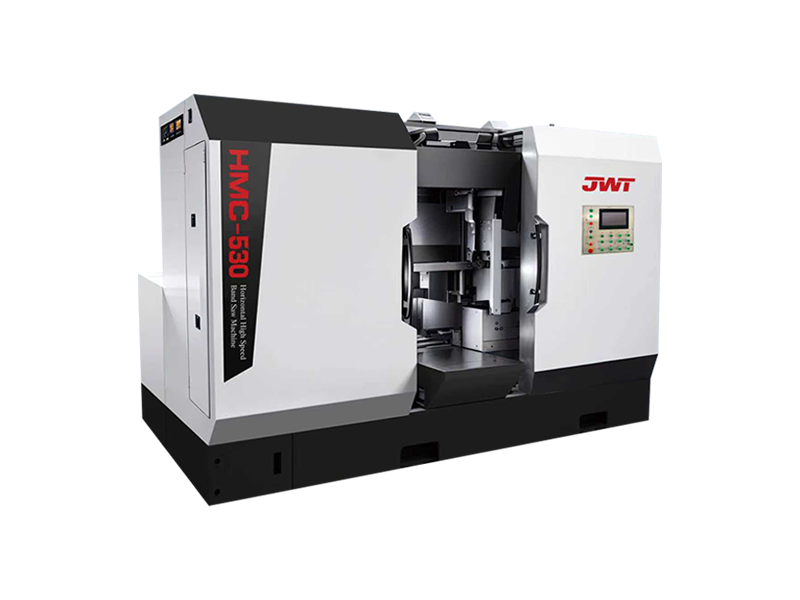
A horizontal high speed band saw machine is a metal cutting tool where the blade moves in a continuous loop, positioned horizontally above the workpiece, and lowers down to cut through material during operation. Compared to standard band saws, the "high speed" designation refers to a faster blade travel speed, allowing it to cut through metal stock more quickly while maintaining clean, accurate cuts.
This type of saw is widely used in metal fabrication shops, steel service centers, and manufacturing plants where cutting bar stock, tubing, pipes, and structural steel accurately and efficiently is a daily requirement. The horizontal blade orientation makes it especially well-suited for cutting through solid round or rectangular stock without needing the material to be repositioned during the cut.
How This Machine Differs From Vertical Band Saws
Understanding the difference between horizontal and vertical band saw configurations helps clarify why manufacturers choose one over the other depending on their cutting needs.
| Factor | Horizontal Band Saw | Vertical Band Saw |
| Blade Orientation | Moves down onto stationary workpiece | Workpiece is guided into fixed vertical blade |
| Best Suited For | Straight cuts on bar stock, tubing, structural steel | Intricate shapes, curves, contour cutting |
| Automation Level | Often fully or semi-automatic | Typically manual operation |
| Typical Use Case | High-volume production cutting | Custom shaping and detail work |
For shops focused on repetitive, high-volume cutting of standard stock shapes, a horizontal high speed band saw machine is almost always the more efficient choice, since it's built specifically for that kind of straightforward, repeatable cutting workflow.
Key Features That Affect Cutting Performance
Not every high speed band saw performs the same way, and a few core features determine how well it handles demanding production environments.
Blade Speed Range
A wider adjustable blade speed range allows the machine to handle different material types effectively, since harder metals typically require slower speeds while softer materials can be cut faster without sacrificing blade life.
Cutting Capacity
This refers to the maximum width and height of material the machine can cut in a single pass. Choosing a machine with cutting capacity that matches your typical stock sizes prevents bottlenecks from needing multiple passes on oversized material.
Automation and Feed Control
Many modern horizontal band saw machines include automatic feed systems that control blade descent speed based on material hardness, reducing blade wear and improving cut consistency without requiring constant operator adjustment.
Manual, Semi-Automatic, and Fully Automatic Options
Horizontal high speed band saw machines generally come in three levels of automation, and choosing the right one depends heavily on production volume and available labor.
- Manual machines require an operator to control clamping, feed, and cutting for each piece
- Semi-automatic machines automate the cutting cycle but still need manual material loading and clamping
- Fully automatic machines handle feeding, clamping, cutting, and even length measurement with minimal operator input
- Higher automation levels reduce labor costs but come with a higher upfront equipment investment
Shops running high daily cutting volumes typically recover the added cost of automation fairly quickly through reduced labor needs and more consistent cut accuracy across large batches.
Common Applications Across Industries
Horizontal high speed band saw machines show up across a wide range of metalworking industries where fast, accurate straight cuts are a core part of daily production.
- Steel service centers cutting bar stock to customer-specified lengths
- Structural steel fabrication for construction and building projects
- Automotive and machinery manufacturing requiring precise metal components
- Pipe and tubing cutting for plumbing and industrial applications
The consistent straight-line cutting capability of these machines makes them a practical fit anywhere repeatable, accurate metal cutting is part of the daily production workflow.
Maintenance Practices That Extend Machine Life
Like any heavy industrial equipment, a horizontal high speed band saw machine requires regular maintenance to keep cutting accuracy and blade life consistent over time. Blade guides and bearings should be checked periodically for wear, since misaligned guides can cause blades to drift off-line during cuts. Coolant systems also need regular cleaning and fluid replacement, as dirty or degraded coolant reduces cutting efficiency and accelerates blade wear.
Keeping a maintenance schedule that includes blade tension checks, hydraulic fluid inspection, and structural alignment verification helps prevent unexpected downtime, which can be costly for shops running continuous production schedules.
Sourcing Tips Before Making a Purchase
Before committing to a horizontal high speed band saw machine, it's worth requesting a live demonstration using material similar to what your shop regularly cuts, rather than relying solely on manufacturer specifications. This helps confirm the machine's actual cutting speed and accuracy match your production requirements.
It's also important to ask suppliers about after-sales technical support, spare parts availability, and typical lead times for maintenance parts, since these factors often matter more for long-term operational uptime than the initial purchase price alone.
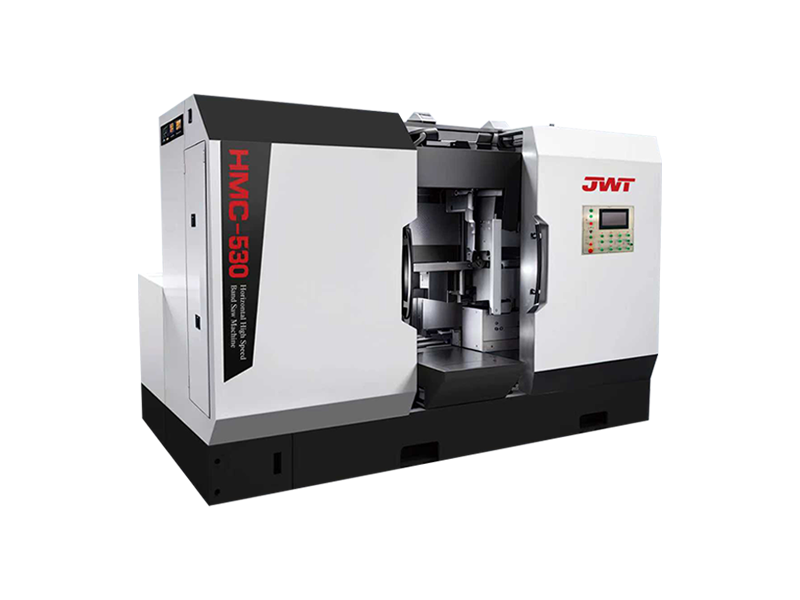
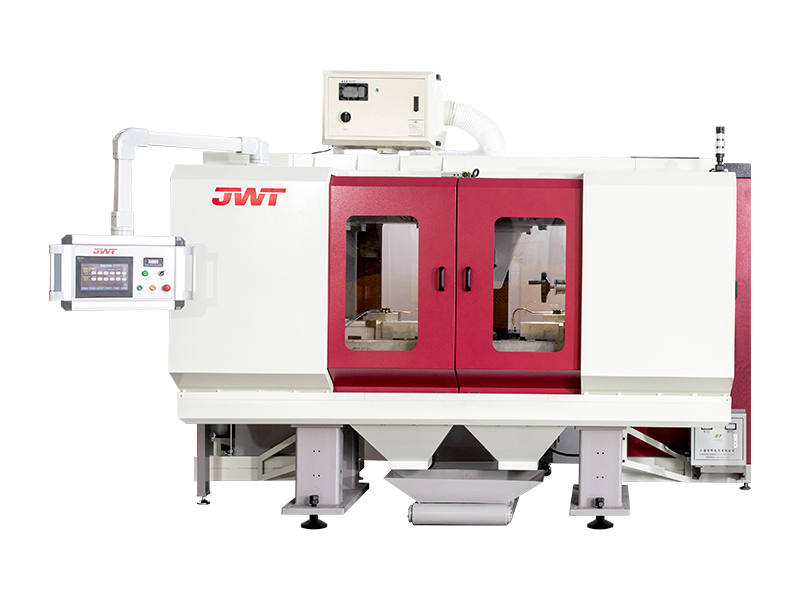
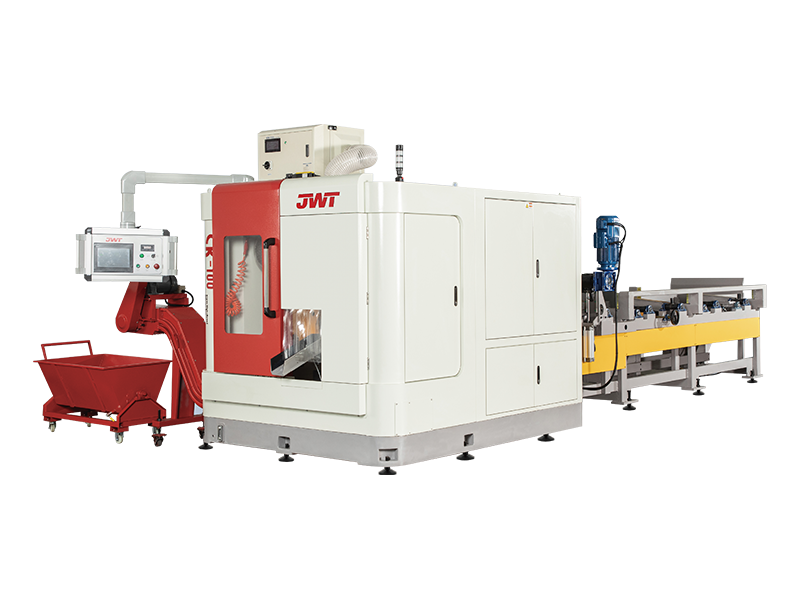
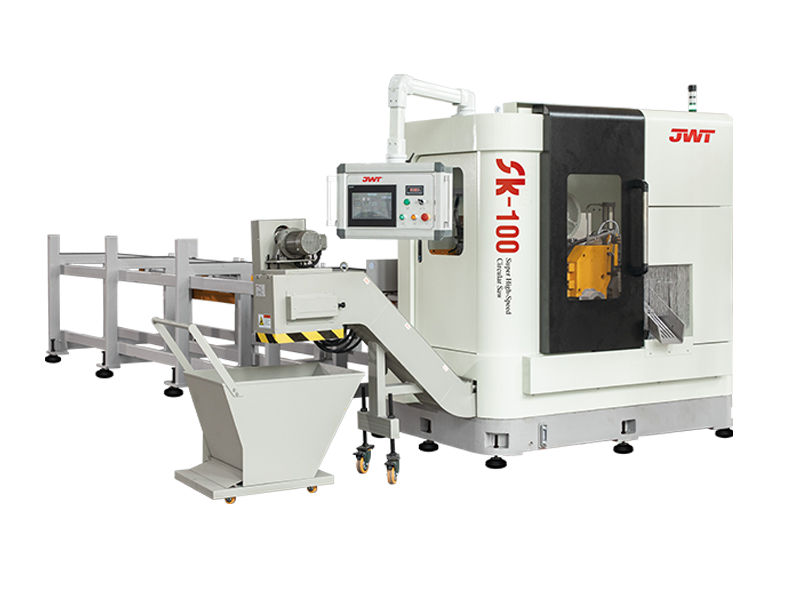

If you are interested in our Circular Saw Machine or production line, please consult us
CONTACT DETAILS
Zhejiang Jingweite Machine Tool Co.,Ltd.
- No.661 Jiyi Road, Wanghai Hi-tech Industrial Park, Haiyan, Jiaxing City, Zhejiang Province
- TEL:+86-0573-86035661
- E-Mail: [email protected]
Products
Quick link
Mobile terminal
