

 中文简体
中文简体 русский
Metal Saw Machine Buying Guide: Types, Uses, and What to Look For Before You Buy
 2026.03.25
 Industry News
Content
- 1 Why the Type of Metal Saw Machine You Choose Matters More Than You Think
- 2 The Main Types of Metal Saw Machines and What Each One Is Built For
- 3 Matching the Right Metal Saw Machine to Your Material
- 4 Key Specifications That Separate a Good Metal Saw Machine From a Poor One
- 5
- 6 Blade Selection: The Part of Metal Saw Machine Setup Most People Get Wrong
- 7 Portable vs. Stationary Metal Saw Machines: Choosing Based on How You Actually Work
- 8 Safety Practices Specific to Metal Saw Machines
- 9 Maintenance Routines That Extend the Life of Any Metal Sawing Machine
Why the Type of Metal Saw Machine You Choose Matters More Than You Think
Walk into any fabrication shop or metalworking facility and you'll find more than one kind of metal saw machine on the floor — and for good reason. Cutting aluminum extrusions cleanly requires a completely different approach than parting off thick-walled steel pipe or slicing through hardened bar stock. The blade speed, tooth geometry, coolant requirements, feed rate, and clamping method all shift dramatically depending on the material and the cut quality you need. Choosing the wrong metal cutting saw machine doesn't just produce bad cuts — it can ruin expensive blades in minutes, overheat your workpiece, and in some cases create genuinely dangerous conditions.
This guide breaks down the real-world differences between the major categories of metal sawing machines, covers what specifications actually matter when comparing models, and gives you the practical information needed to match a machine to your specific metal cutting work — whether you're running a high-volume production line, a job shop, or a serious home metalworking setup.
The Main Types of Metal Saw Machines and What Each One Is Built For
Each category of metal saw machine was engineered around a specific set of cutting demands. Understanding what distinguishes them — not just the blade shape, but the mechanics, speed range, and material compatibility — helps you avoid expensive mismatches.
Cold Saw Machines
A cold saw machine uses a circular blade that rotates at very low RPM — typically between 25 and 100 RPM depending on the material — and relies on the slow speed combined with a flood or mist coolant system to keep both the blade and the workpiece cool during cutting. The name "cold saw" refers to this heat management: the chips carry heat away from the cut rather than the blade absorbing it, which means the cut surface itself stays near ambient temperature. This produces a burr-free, square cut with a surface finish that often requires no secondary deburring. Cold saw machines are the preferred choice for cutting steel tube, solid bar, structural profiles, and any application where cut quality and dimensional accuracy matter. The blades — typically high-speed steel or tungsten carbide tipped — are resharpened rather than replaced, which significantly lowers long-term operating costs despite the higher initial machine cost.
Horizontal Band Saw Machines
A horizontal band saw for metal uses a continuous loop blade that travels through a fixed cutting path while the workpiece sits clamped on a vise below. The saw head descends under gravity or hydraulic pressure as the blade cuts through the cross-section. Because the blade is thin — usually between 0.025 and 0.063 inches — the kerf (the material removed per cut) is narrow, which reduces waste and is especially significant when cutting expensive materials like titanium, stainless steel, or tool steel. Horizontal band saw machines are available in manual, semi-automatic, and fully automatic variants. Automatic models can be programmed to cut a set number of pieces to a fixed length, feeding bar stock through the vise between each cut without operator intervention — making them a staple in production environments where hundreds of pieces need to be cut to the same dimension repeatedly.
Abrasive Chop Saw Machines
The metal chop saw is the most widely recognized and most commonly misused type of metal cutting saw machine. It uses a thin abrasive disc — typically aluminum oxide bonded with resin — spinning at high speed (around 3,800 to 4,400 RPM) to grind through metal rather than cut it with teeth. This generates enormous heat, a significant spray of sparks, and a cut zone that can reach several hundred degrees Fahrenheit. The result is a cut that almost always requires deburring and often shows heat discoloration. Abrasive chop saws are inexpensive, fast, and capable of cutting virtually any ferrous metal, which explains their ubiquity on job sites and in light fabrication shops. However, they are not appropriate for cutting aluminum or other non-ferrous metals with a standard abrasive wheel, as the soft material loads the disc quickly, and they are not suitable for applications demanding a clean, accurate finish cut.
Circular Metal Cutting Saw Machines (TCT)
Often confused with cold saws, circular metal saw machines using tungsten carbide-tipped (TCT) blades operate at a middle ground of around 1,200 to 3,600 RPM — faster than a true cold saw but far slower than an abrasive disc. These machines are particularly well-suited to cutting aluminum, brass, copper, and thin-wall steel profiles. The tooth geometry on TCT metal saw blades is specific to the material: aluminum requires a high positive rake angle and wider gullets to clear the sticky, gummy chips; steel requires a negative rake angle and finer pitch to prevent tooth breakage. A quality circular metal saw machine in this category produces cuts that are notably cleaner than abrasive saws with far less heat, though they still benefit from a cutting fluid or mist system when working with ferrous materials for extended periods.
Vertical Band Saw Machines
Where horizontal band saws are built for parting stock to length, vertical band saw machines are designed for contour cutting and intricate profile work in metal. The blade runs vertically in a fixed position while the operator manually feeds the workpiece along a marked line, similar to how a woodworker uses a scroll saw. Vertical metal band saws are found in tool rooms, mold shops, and prototype fabrication environments where irregular shapes, radii, and curves need to be cut from plate or block material. They require considerable operator skill to produce accurate results but offer a flexibility that no other type of metal sawing machine can match for complex shapes.
Matching the Right Metal Saw Machine to Your Material
Material compatibility is probably the single most important factor when selecting a metal cutting saw machine, yet it's frequently treated as an afterthought. The table below summarizes how the main machine types perform across common metals:
| Metal Type | Cold Saw | Horizontal Band Saw | Abrasive Chop Saw | TCT Circular Saw |
| Mild Steel (bar, tube) | Excellent | Excellent | Good (rough cut) | Good |
| Stainless Steel | Excellent | Good (bi-metal blade) | Acceptable | Fair |
| Aluminum (extrusions, plate) | Good | Good | Not recommended | Excellent |
| Copper / Brass | Good | Good | Not recommended | Excellent |
| Tool Steel / Hardened Stock | Excellent (carbide blade) | Good (carbide band) | Acceptable | Fair |
| Structural Steel (I-beam, angle) | Good | Excellent | Good | Fair |
One pattern worth noting: abrasive chop saws should never be used on aluminum, copper, or brass. The non-ferrous chips load the abrasive disc almost immediately, causing the disc to overheat and potentially shatter — a serious safety hazard. These materials require a toothed blade, whether on a band saw, cold saw, or TCT circular saw machine.
Key Specifications That Separate a Good Metal Saw Machine From a Poor One
Spec sheets for metal sawing machines can be dense and sometimes misleading. Here are the figures that genuinely predict real-world performance, and what ranges to look for depending on application scale:
- Blade speed (variable vs. fixed): Variable speed is a significant practical advantage on any metal cutting saw machine. Being able to drop the blade speed when switching from aluminum to steel — or when cutting thin-wall material that vibrates at higher speeds — protects blades and dramatically improves cut quality. Entry-level machines often run at a single fixed speed, which forces you into compromise settings.
- Vise clamping force and jaw travel: A weak or poorly designed vise is the most common cause of poor cut quality on an otherwise capable machine. Workpiece movement during a cut introduces vibration that destroys teeth and creates angled, uneven cuts. Look for vises with substantial jaw depth (at least 3 inches) and a positive, rattle-free clamping mechanism. Hydraulic or pneumatic vises on automatic models eliminate this concern entirely.
- Motor rating (continuous vs. peak): Some manufacturers list peak motor amperage or horsepower rather than the continuous-duty rating, which is the figure that actually reflects sustained cutting performance. A motor rated at 1.5 HP continuous is a fundamentally different machine from one rated 1.5 HP peak. For production metalworking, prioritize industrial metal saw models with clearly stated continuous-duty ratings.
- Cutting capacity at 90° and 45°: Always check the capacity at both angles. Many steel cutting saw machines advertise their 90° capacity prominently but offer a significantly reduced capacity at 45° miter cuts, which matters greatly for structural and architectural metalwork.
- Coolant system type: Flood coolant, mist coolant, and brush-applied cutting oil are three fundamentally different approaches. Flood coolant systems on cold saw machines provide the best blade life and cut quality for high-volume steel cutting but require a reservoir and chip tray. Mist systems are a reasonable compromise for mid-volume work. Machines with no coolant provision are only appropriate for occasional light cutting or non-ferrous materials.
- Frame rigidity: Twist or flex in the saw frame during a cut translates directly to a cut that isn't square. On horizontal band saws, check whether the machine has a fully welded steel frame or an assembled cast construction. Welded frames handle the sustained downward pressure of a long cut without deflecting; lighter assembled frames can gradually drift off square under repeated use.
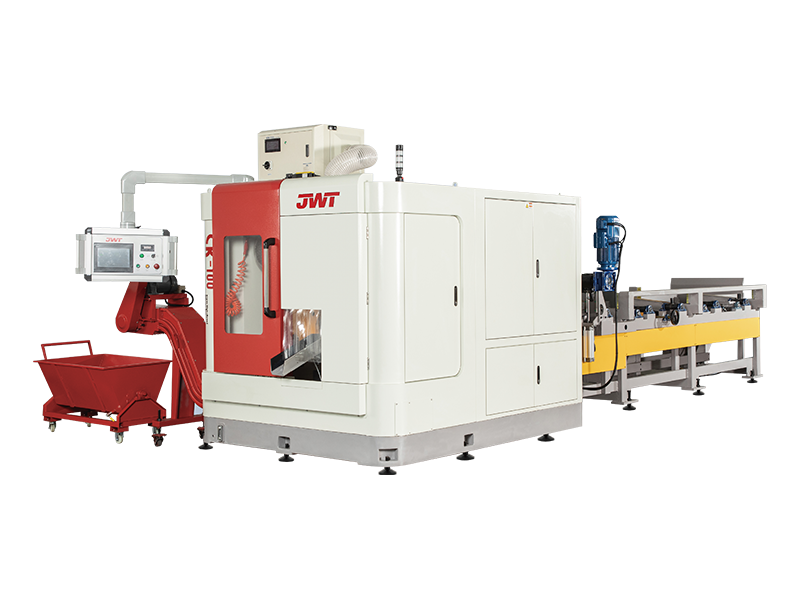
Blade Selection: The Part of Metal Saw Machine Setup Most People Get Wrong
The blade is effectively the cutting interface between the machine and the metal, and selecting the wrong blade for the material or section size is one of the most common and costly mistakes in metalworking shops of all sizes. The machine can only perform as well as the blade allows.
Tooth Pitch (TPI) and Section Thickness
The teeth-per-inch (TPI) rating of a blade must be matched to the cross-section of the material being cut. The general rule is that you want a minimum of three teeth in contact with the workpiece at any moment during the cut. Thin-wall tube or sheet metal requires a high TPI — typically 14 to 24 TPI — to prevent the blade from "hooking" on the thin wall and stripping teeth. Solid bar stock or large sections require a lower TPI — typically 2 to 6 TPI — to provide large enough gullets to clear the heavy, continuous chips without the blade packing up and stalling.
Blade Material: HSS, Bi-Metal, and Carbide
High-speed steel (HSS) blades for band saws are the most economical option and work adequately on mild steel and aluminum. Bi-metal blades — with HSS teeth electron-beam welded to a flexible alloy steel backing — offer significantly better durability and are the standard choice for production cutting of steel, stainless, and structural profiles. Carbide-tipped band saw blades represent the premium tier, designed for the hardest materials, abrasive alloys, and cutting applications where blade life is the dominant cost factor. For cold saws, the choice is similarly between HSS and carbide-tipped circular blades, with carbide strongly preferred for any production volume work on ferrous materials.
Break-In Procedure for New Blades
New metal saw blades — particularly band saw blades — require a proper break-in period that many operators skip, resulting in premature tooth failure. The break-in process involves running the first several cuts at roughly 50% of the normal feed rate and blade speed. This allows the microscopic burrs on fresh cutting edges to be worn down gradually rather than snapping off under full cutting load. A blade that is properly broken in will outlast one that wasn't by a factor of two to three in most cases — a significant savings when carbide band saw blades can cost $80 to $200 each.
Portable vs. Stationary Metal Saw Machines: Choosing Based on How You Actually Work
The decision between a portable metal saw machine and a full stationary floor model is less about budget and more about the nature of the work itself. Each has genuine strengths that the other cannot replicate.
Portable metal cutting saws — including handheld reciprocating saws with metal blades, cordless circular metal saws, and portable band saws — are essential for structural steel installation, maintenance work, pipeline cutting, and any application where the metal can't be brought to a fixed machine. Modern cordless portable metal saws have reached a level of performance that would have seemed implausible a decade ago, with brushless motors delivering sustained cutting power that competes meaningfully with corded models for light to medium sections. The trade-off is cut accuracy: even the best portable saw machine requires careful technique to produce a cut that's square and clean, and none can match a properly set-up stationary cold saw for dimensional precision.
Stationary industrial metal saws offer accuracy, repeatability, and capacity that portable tools cannot approach. A stationary cold saw machine locked at a 45° miter will reproduce that exact angle on every cut throughout an entire production run. The fixed vise, rigid frame, and motorized feed eliminate the operator variables that affect portable saw results. For shop and production work where pieces need to be cut to consistent, precise dimensions in quantity, a stationary steel cutting saw machine is the correct tool regardless of its higher cost and space requirement.
Safety Practices Specific to Metal Saw Machines
Metal sawing generates hazards that are distinct from woodworking or other shop operations. Chip and spark projection, blade breakage, and workpiece ejection are the primary injury mechanisms, and the precautions for each are specific to the machine type.
- Never remove the blade guard on circular metal saw machines or cold saws. The guard is specifically designed to contain blade fragments in the event of a tooth breakage or blade fracture — an event that can occur without warning, particularly with abrasive discs that have been stored improperly or used beyond their rated lifespan.
- Inspect abrasive discs for cracks before every use. A cracked abrasive disc can disintegrate at speed, projecting fragments at high velocity. The ring test — tapping the disc lightly with a metal rod and listening for a clear ring rather than a dull thud — identifies compromised discs before they're mounted.
- Secure all workpieces in the vise before starting the cut. Unsecured metal stock can be grabbed by the blade and ejected with considerable force, or can twist and pinch the blade, causing kickback. This applies equally to stationary and portable metal saw machines.
- Use appropriate PPE for the machine type: Safety glasses alone are insufficient for most metal sawing operations. A face shield protects against the larger fragments and occasional spark streams produced by abrasive chop saws. Cut-resistant gloves are appropriate for handling metal stock but should never be worn near rotating blade mechanisms where they could be caught and pulled in.
- Allow the blade to reach full speed before engaging the cut. On cold saws and TCT circular metal saw machines, attempting to start a cut while the blade is still accelerating dramatically increases the chance of tooth stripping and blade damage. Wait for the motor to reach its operating speed — typically signaled by a change in motor sound — before lowering the blade onto the workpiece.
- Never use an abrasive disc rated for a lower RPM than the machine's no-load speed. Always verify that the maximum RPM printed on the disc exceeds the machine's rated speed. Using an under-rated disc is one of the most dangerous errors possible with an abrasive metal chop saw.
Maintenance Routines That Extend the Life of Any Metal Sawing Machine
Metal sawing machines work in some of the harshest conditions of any workshop equipment — vibration, heat, metal chips, and cutting fluids all take a continuous toll on mechanical components. A consistent maintenance routine is what separates machines that run accurately for fifteen years from those that start drifting out of square within eighteen months.
Chip clearance is the most frequent and most neglected maintenance task. Metal chips pack into vise mechanisms, blade guides, coolant channels, and gear housings with surprising speed, and compacted chips act as an abrasive that accelerates wear on every surface they contact. Brushing out the cut zone and vise area after every session — not just at the end of the week — makes a measurable difference in how long precision components retain their accuracy.
On band saw machines, blade tension and blade tracking need to be verified whenever a new blade is installed, and checked again after the first hour of use on that blade. Band saw blades stretch slightly during the break-in period and can drift off the wheel crown if tension isn't re-adjusted. A blade that tracks slightly off-center will cut curves rather than straight lines and will wear out the blade guides prematurely. Most horizontal band saws have a dedicated tracking adjustment knob on the upper wheel — a 30-second adjustment that can save a blade and maintain cut accuracy.
For cold saw machines and TCT circular metal saws, the blade arbor, blade flanges, and spindle bearings deserve particular attention. Any runout at the blade arbor amplifies directly into cut quality — even 0.002 inches of arbor runout will produce a noticeably rougher cut and accelerated blade wear. Keeping the arbor clean, the flanges free of burrs, and the spindle bearings properly lubricated according to the manufacturer's schedule maintains the cutting accuracy that these machines are bought to deliver.
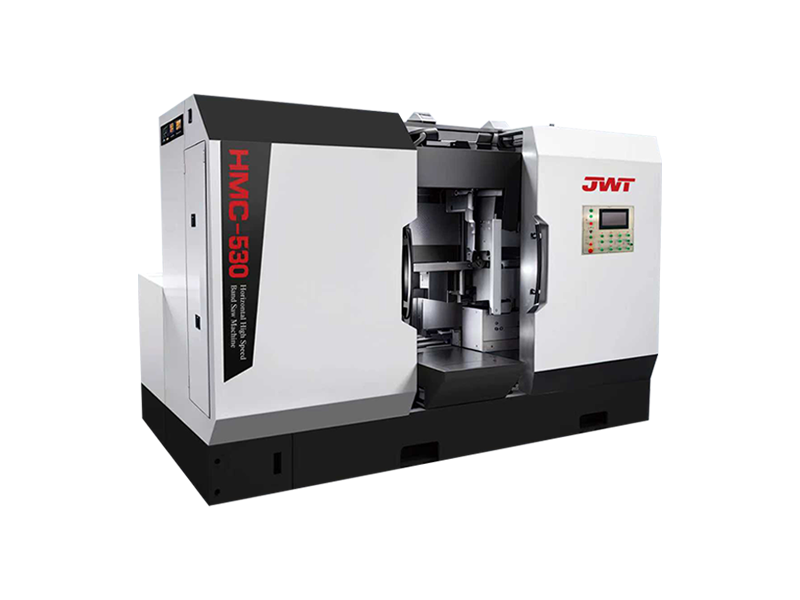
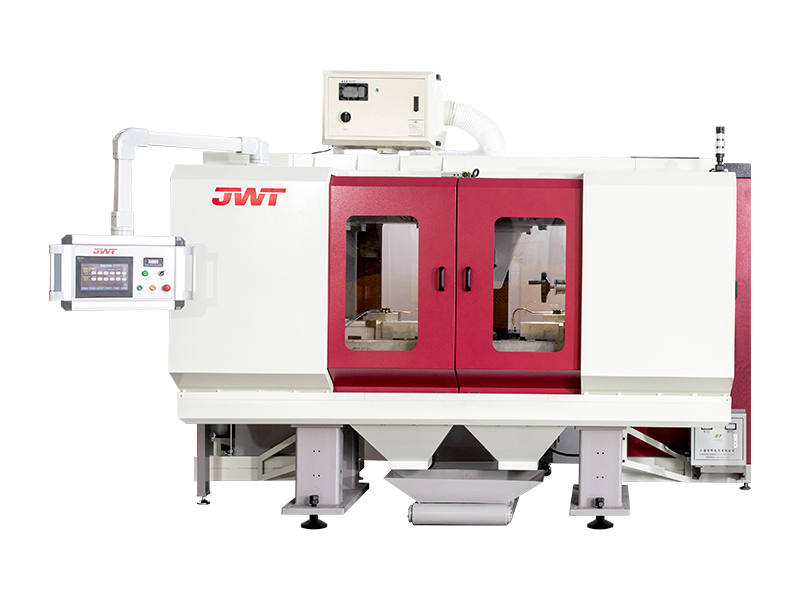

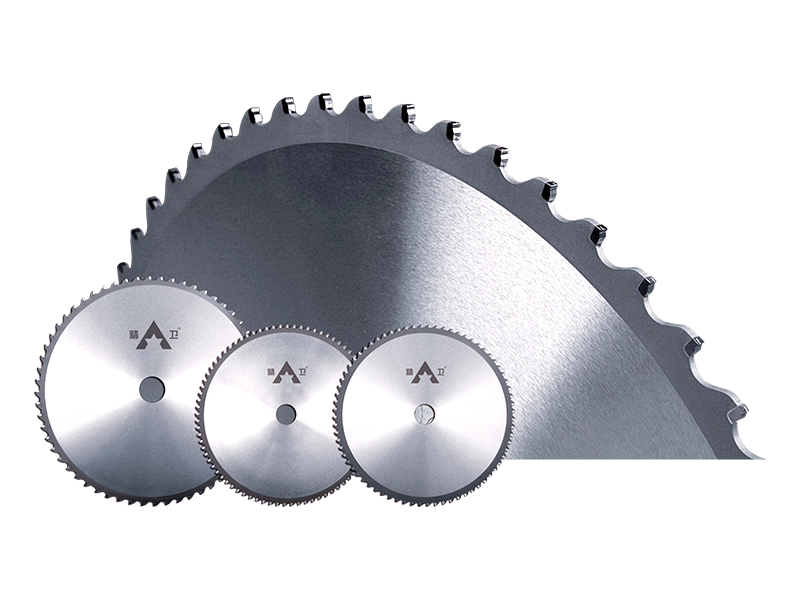
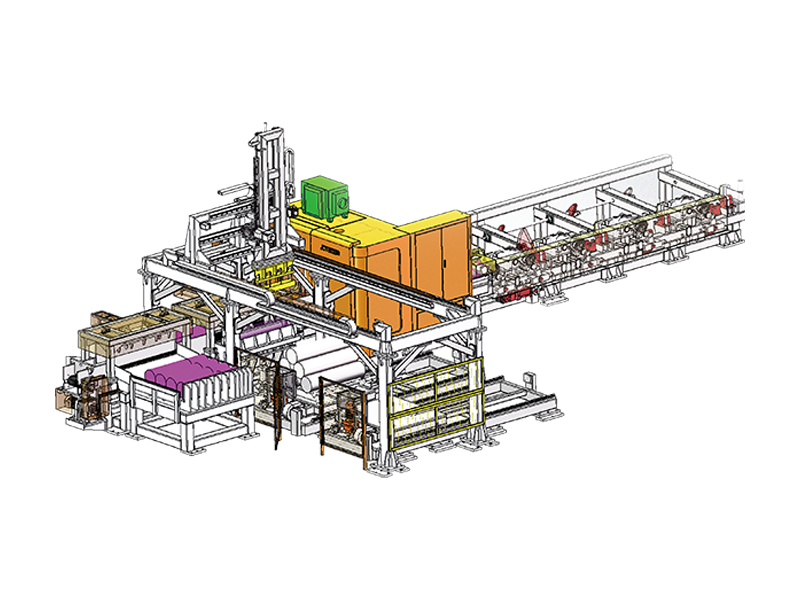
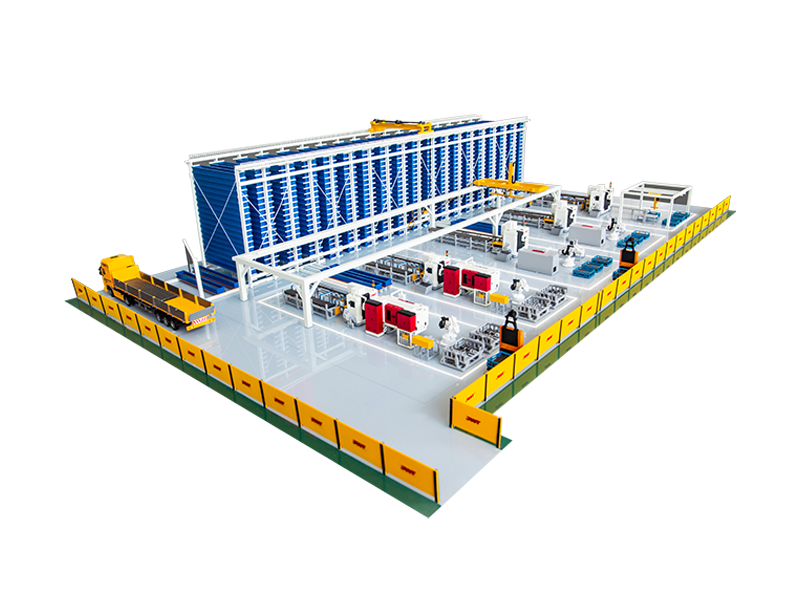
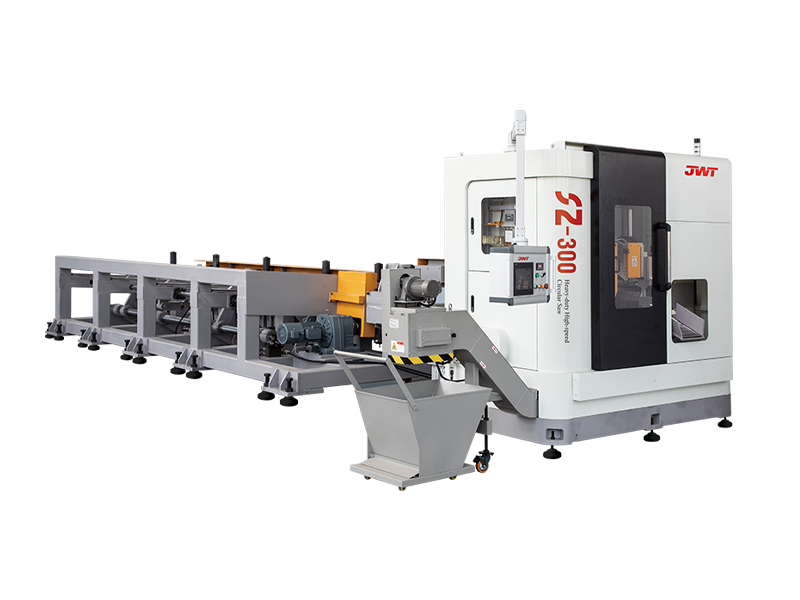
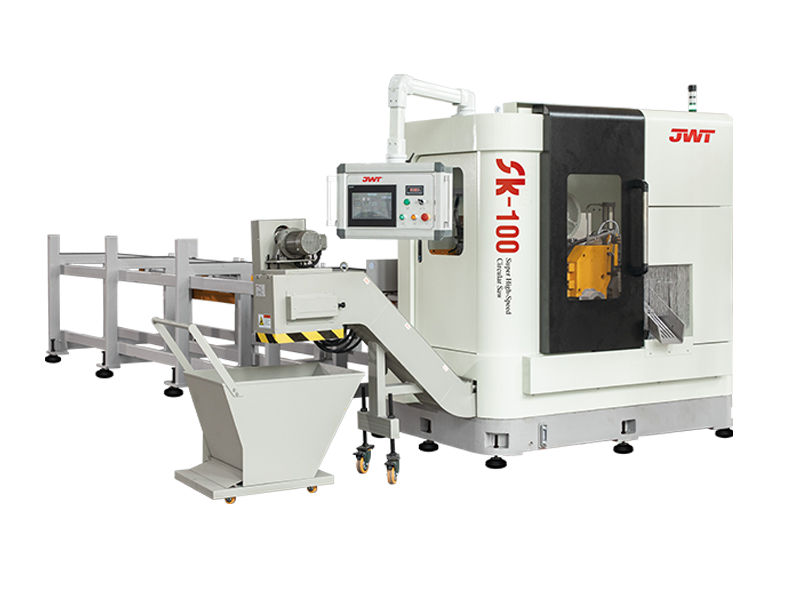

If you are interested in our Circular Saw Machine or production line, please consult us
CONTACT DETAILS
Zhejiang Jingweite Machine Tool Co.,Ltd.
- No.661 Jiyi Road, Wanghai Hi-tech Industrial Park, Haiyan, Jiaxing City, Zhejiang Province
- TEL:+86-0573-86035661
- E-Mail: [email protected]
Products
Quick link
Mobile terminal
