

 中文简体
中文简体 русский
Cold Cut vs. Abrasive: Why the Professional Choice is Shifting to Metal-Cutting Circular Saws
 2026.02.03
 Industry News
Content
The Evolution of Metal Cutting: Circular Saws vs. Abrasive Grinders
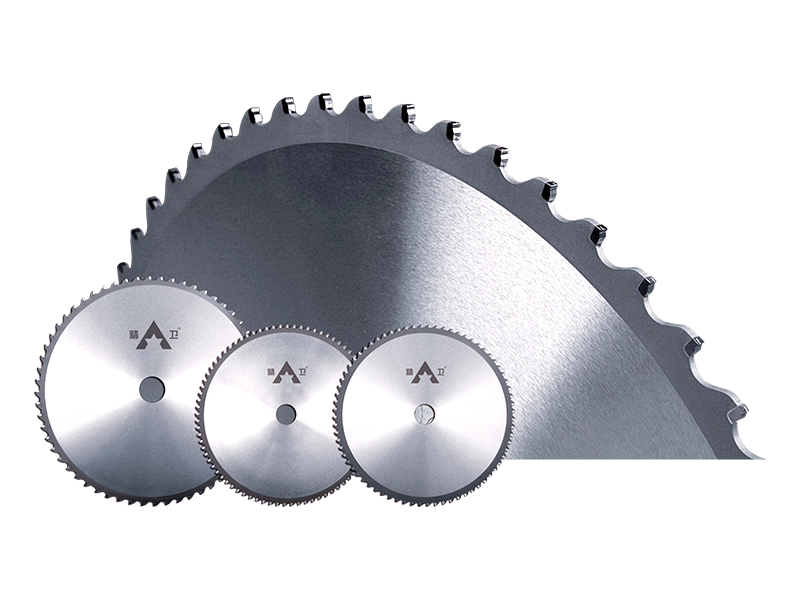
For decades, the go-to method for cutting steel was the abrasive chop saw, which relied on high-speed friction to wear through material. However, the dedicated metal-cutting circular saw—often called a "cold cut" saw—has revolutionized the workshop by using carbide-tipped blades. Unlike wood saws, these machines operate at much lower RPMs to manage heat and prevent the blade from losing its temper. The result is a faster, cleaner, and significantly safer cutting process that eliminates the massive shower of sparks and pungent odor associated with traditional grinding discs.
When using a circular saw for metal, the physics of the cut changes entirely. Instead of grinding away the material, the carbide teeth "plow" through it, carrying the heat away in the resulting chips rather than transferring it into the workpiece. This leaves the metal cool to the touch immediately after the cut, allowing for instant handling and further welding without the need for a cooling-off period or extensive deburring.
Key Technical Specifications for Metal-Cutting Saws
Choosing the right saw requires an understanding of how torque and speed interact. While a standard wood circular saw might spin at 5,000 RPM, a metal-cutting equivalent typically operates between 1,300 and 3,500 RPM. This lower speed is critical for the longevity of the expensive carbide-tipped blades. The following table highlights the primary differences you will encounter when comparing tool specifications:
| Feature | Standard Metal Saw | Heavy-Duty Industrial |
| Average RPM | 3,500 - 3,900 | 1,300 - 1,500 |
| Blade Diameter | 7-1/4" to 8" | 12" to 14" |
| Primary Material | Sheet, Pipe, Thin Studs | Thick Plate, I-Beams |
Essential Features for Precision and Safety
Integrated Chip Collection
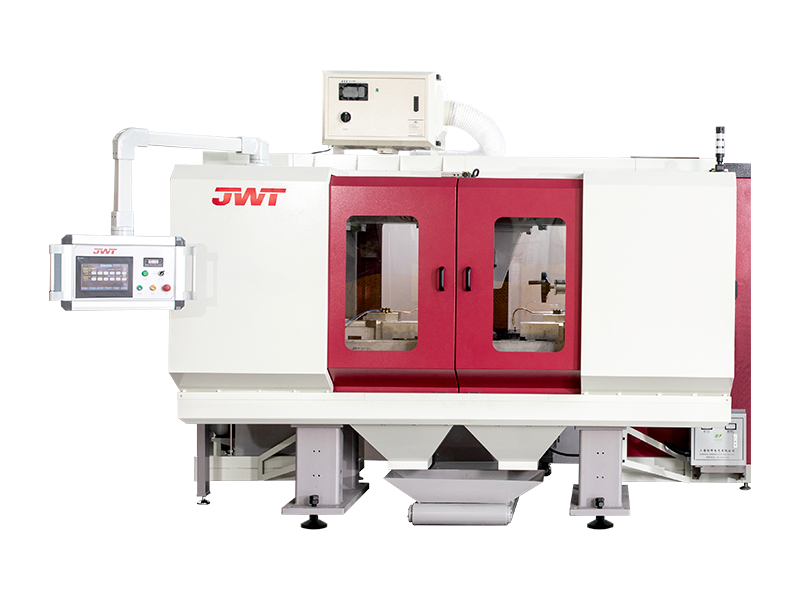
One of the most practical features of a specialized metal circular saw is the chip collection chamber. Metal shards are sharp and hot; having a translucent guard or a dedicated bin that captures up to 90% of the debris is vital for shop cleanliness. This prevents the "metal glitter" that otherwise covers floors and gets embedded in work boots.
Dedicated Blade Shielding
Because metal cutting involves high-velocity chips, the housing of these saws is often made of cast magnesium or aluminum rather than plastic. This ensures that if a blade tooth were to chip or if heavy debris is kicked back, the tool housing remains intact. Modern saws also include a heavy-duty lower guard that retracts smoothly to protect the user throughout the cut stroke.
Selecting the Right Blade for Your Material
The blade is the most important component of the system. Using a blade with the wrong tooth count can lead to broken teeth or "kickback," which is particularly dangerous when cutting dense materials. Blade selection should be based on the thickness of the metal you are processing:
- Mild Steel Blades: Feature 40 to 60 teeth; ideal for angle iron, channel, and pipe.
- Thin Metal/Sheet Blades: Feature 70+ teeth; designed to prevent "hooking" on thin-walled materials like metal roofing or HVAC ducting.
- Stainless Steel Blades: Use a specialized C-6 grade carbide to handle the work-hardening properties of stainless steel.
- Aluminum Blades: Feature a Triple Chip Grind (TCG) and often require a lubricant to prevent the soft metal from welding to the teeth.
Practical Operating Tips for Longevity
To get the most out of your metal-cutting circular saw, you must resist the urge to "force" the tool. Unlike wood, metal offers significant resistance; let the weight of the saw do the work. Maintaining a steady, moderate feed rate ensures that the teeth are actually cutting chips rather than rubbing against the surface, which causes friction and premature dulling.
Always secure your workpiece with clamps. Vibrations are the primary enemy of carbide teeth. If the material moves or vibrates during the cut, it can easily shatter the brittle carbide tips. Ensuring a rock-solid setup will result in a finish that looks like it came straight off a milling machine, saving you hours of secondary cleanup time.
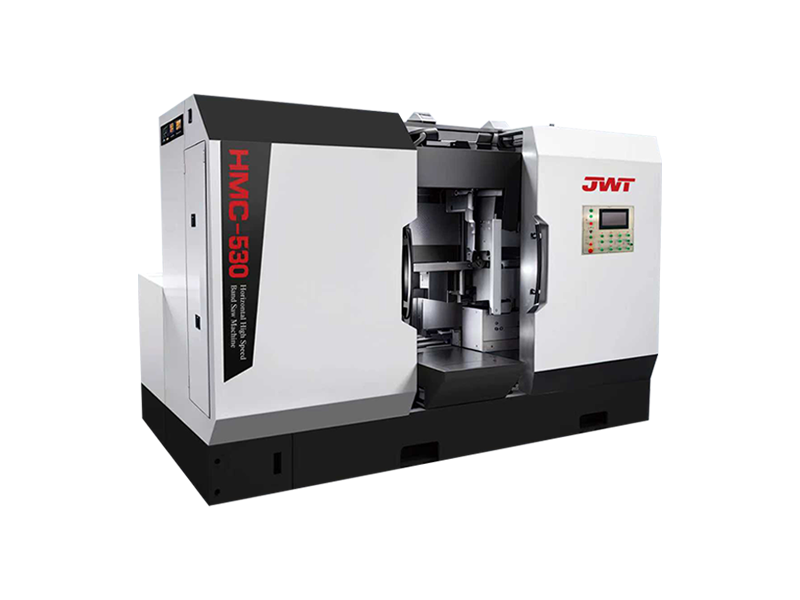
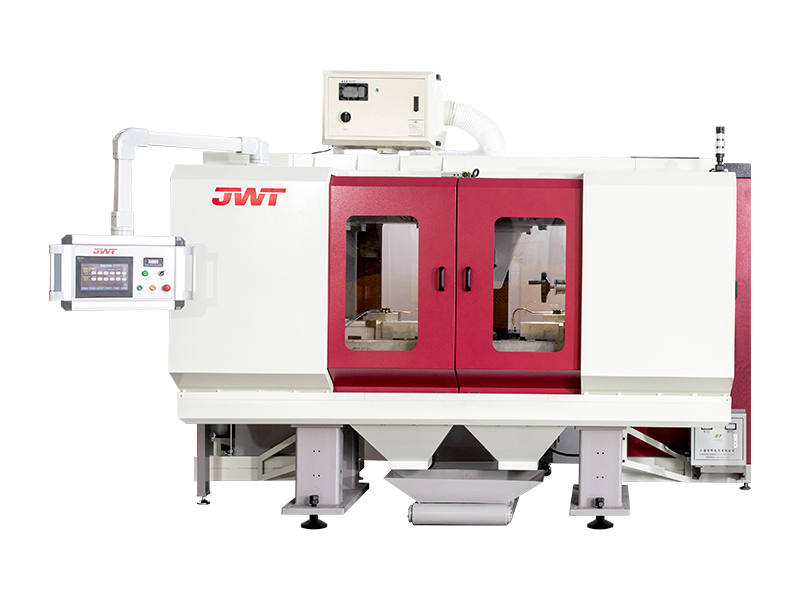
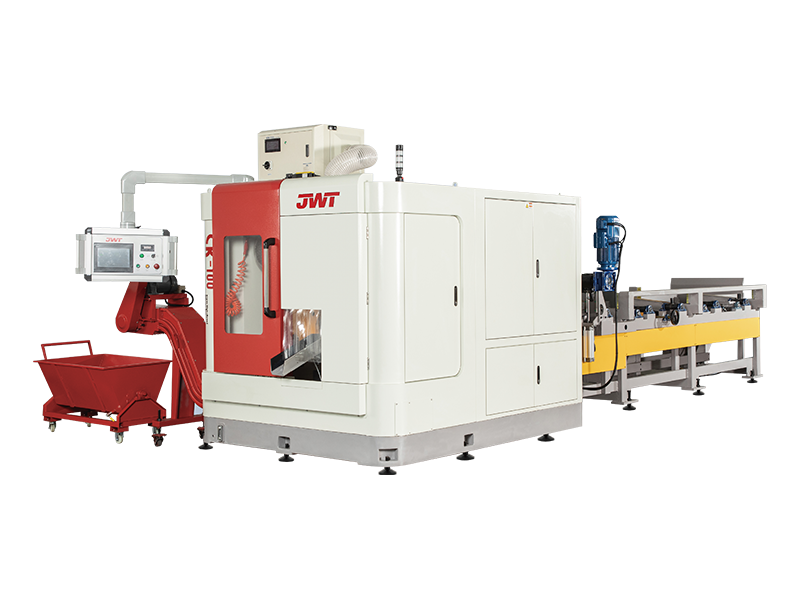
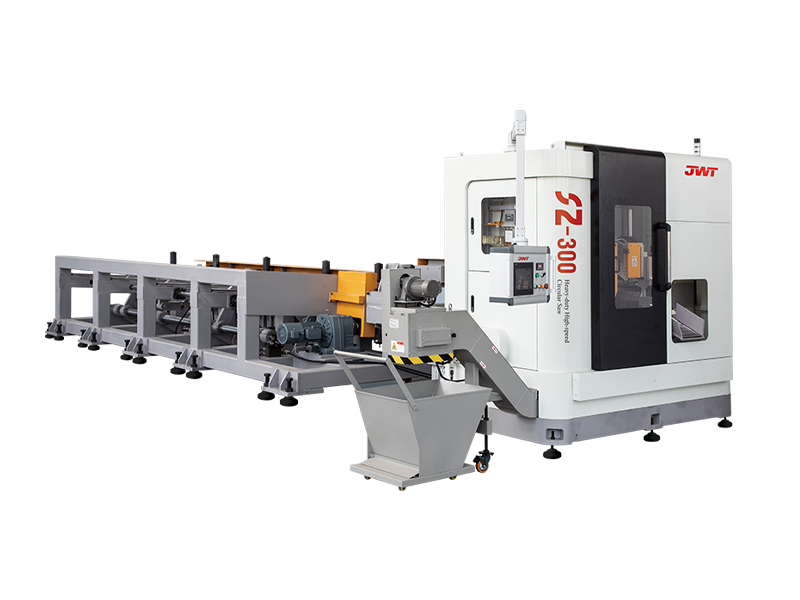
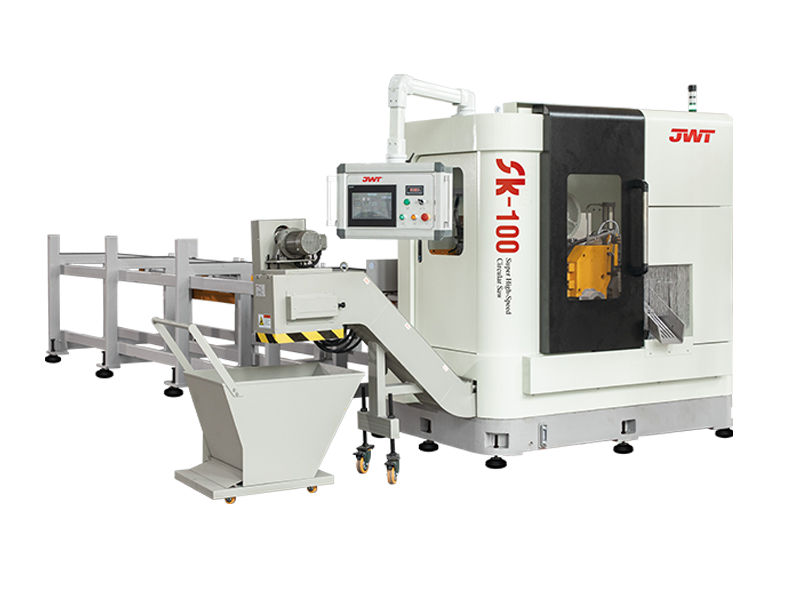

If you are interested in our Circular Saw Machine or production line, please consult us
CONTACT DETAILS
Zhejiang Jingweite Machine Tool Co.,Ltd.
- No.661 Jiyi Road, Wanghai Hi-tech Industrial Park, Haiyan, Jiaxing City, Zhejiang Province
- TEL:+86-0573-86035661
- E-Mail: [email protected]
Products
Quick link
Mobile terminal
