

 中文简体
中文简体 русский
How is the Latest Automatic Saw Machine Technology Redefining Precision Cutting?
 2026.01.06
 Industry News
Content
Core Mechanisms of Modern Automatic Saw Machines
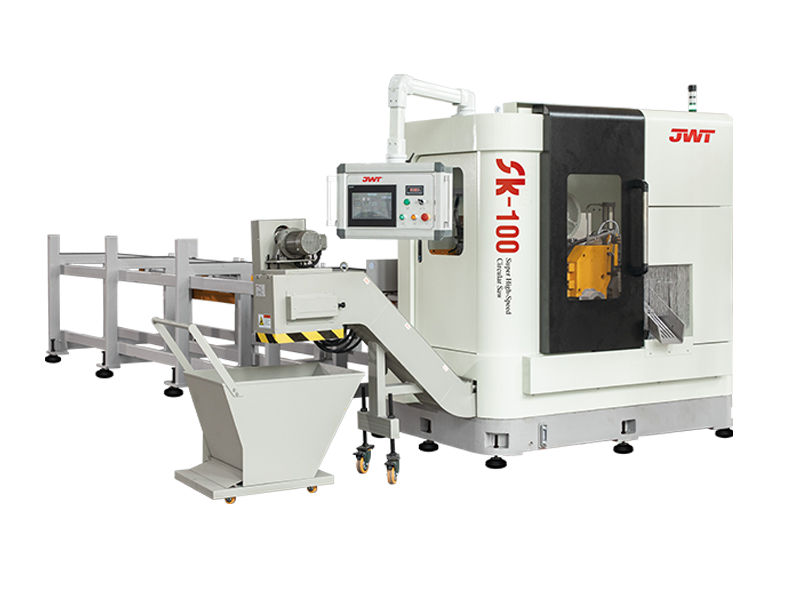
The modern automatic saw machine is a cornerstone of high-volume industrial manufacturing, designed to execute precise cuts with minimal human intervention. Unlike manual or semi-automatic variants, these machines utilize sophisticated PLC (Programmable Logic Controller) systems to manage the entire cutting cycle. This includes material feeding, clamping, blade speed adjustment, and the final discharge of the cut piece. By integrating hydraulic or pneumatic systems for consistent clamping pressure, these machines ensure that material vibration is virtually eliminated, which significantly extends blade life and improves the surface finish of the cut.
Precision is further enhanced through the use of servo-motor driven feeding systems. These systems allow for high-speed material positioning with tolerances often measured in microns. For industries like aerospace or automotive manufacturing, this level of repeatability is essential for maintaining strict quality control standards across thousands of consecutive cycles. Furthermore, the integration of sensors allows the machine to detect material presence and blade wear in real-time, preventing costly errors and downtime.
Key Technical Specifications and Performance Metrics
When evaluating an automatic saw machine for a production line, several technical parameters dictate its suitability for specific materials and throughput requirements. The following table highlights the critical metrics that engineers and shop managers should monitor to ensure optimal performance.
| Parameter | Description | Impact on Production |
| Blade Surface Speed | Measured in Meters per Minute (m/min) | Determines heat generation and cut quality |
| Feed Rate | The speed at which the blade penetrates material | Directly affects cycle time and chip load |
| Positioning Accuracy | The tolerance of the material feeder | Reduces material waste and secondary machining |
Advantages of Full Automation in Metalworking
Reduction in Labor Costs and Human Error
One of the most immediate benefits of adopting automatic saw technology is the drastic reduction in manual labor. A single operator can often oversee multiple machines, as the "lights-out" capability allows the equipment to run through entire bundles of raw stock autonomously. This not only lowers the cost per part but also eliminates the variability introduced by manual measuring and feeding, which is often the primary source of scrap in traditional workshops.
Enhanced Safety Protocols
Safety is a critical factor in any industrial setting. Automatic saws are typically fully enclosed with safety interlocks, keeping the operator far away from moving blades and high-pressure clamps. Advanced machines also feature:
- Emergency stop triggers linked to light curtains and motion sensors.
- Automatic chip conveyors to remove sharp debris without manual intervention.
- Coolant mist systems that contain fluids within the machine housing.
Maintenance Strategies for Longevity
To maintain the high-precision capabilities of an automatic saw machine, a rigorous preventative maintenance schedule is required. The complexity of the internal electronics and hydraulic circuits means that neglecting small issues can lead to systemic failures. Regular inspection of the guide arms and carbide inserts is essential, as even minor wear in these components can cause "blade wander," resulting in cuts that are not square.
Lubrication systems must also be monitored daily. Many automatic machines use a "micro-drip" or "MQL" (Minimum Quantity Lubrication) system that applies a precise amount of oil to the blade teeth. If these nozzles become clogged, the resulting friction can destroy an expensive carbide-tipped blade in a matter of seconds. Keeping the PLC software updated and ensuring the hydraulic fluid is free of contaminants will guarantee that the machine operates at peak efficiency for many years.
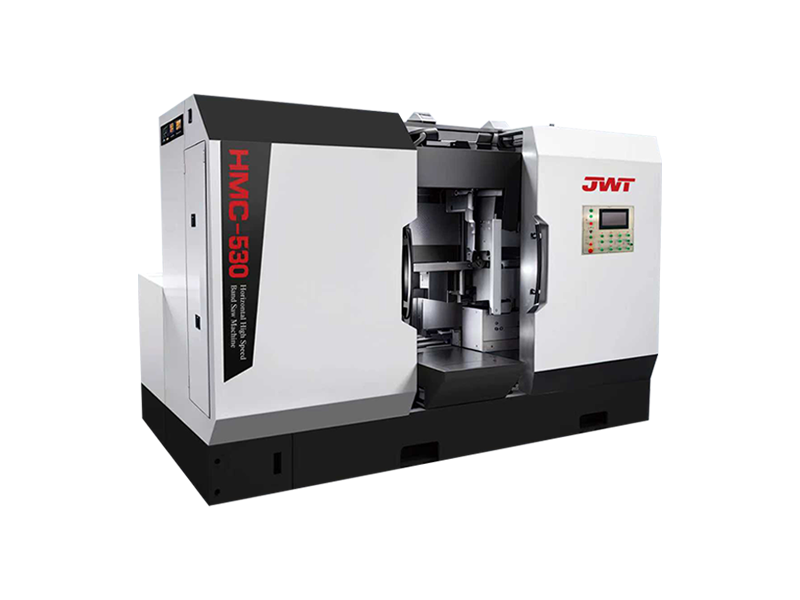
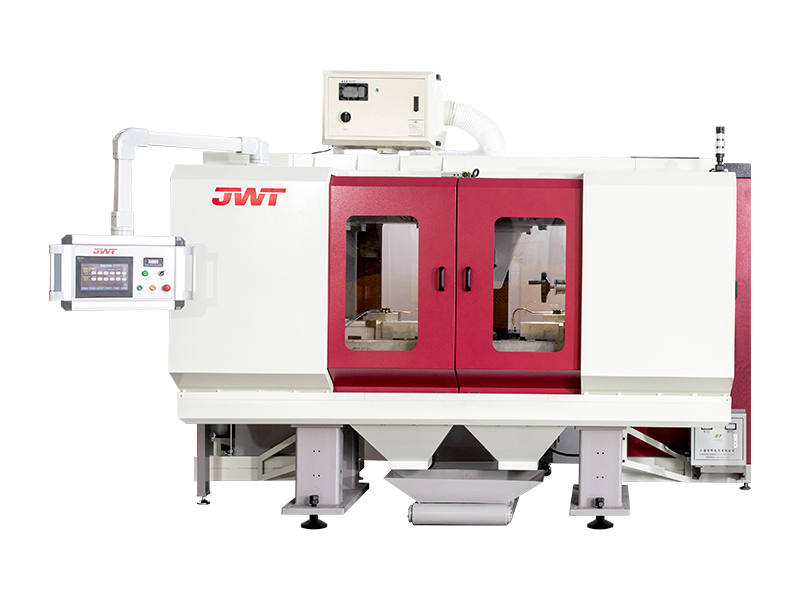
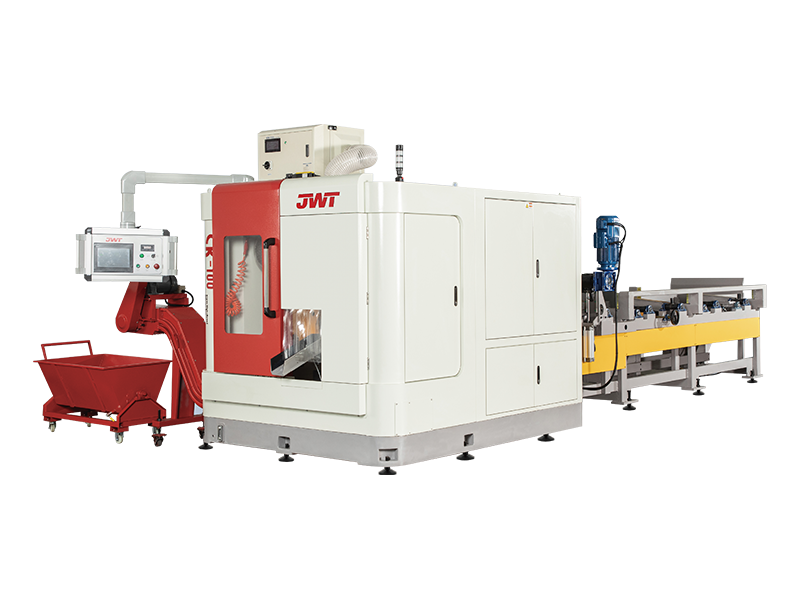
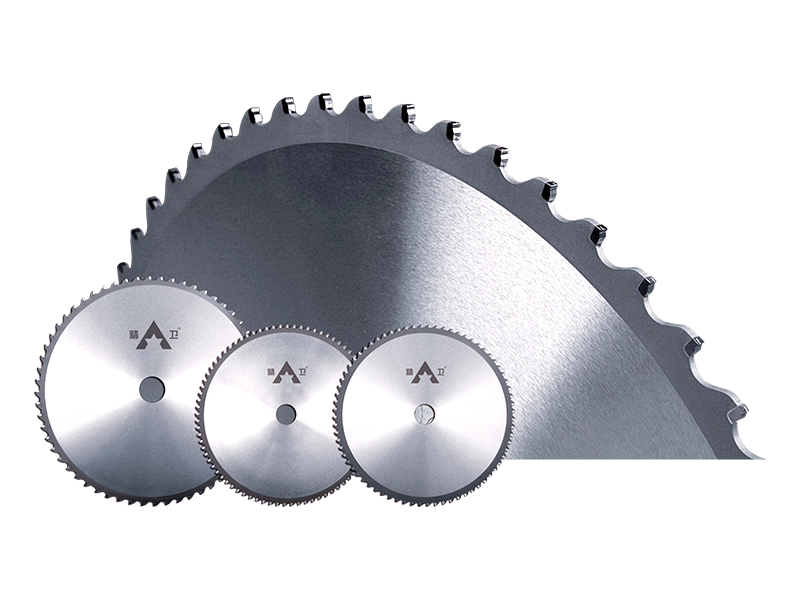
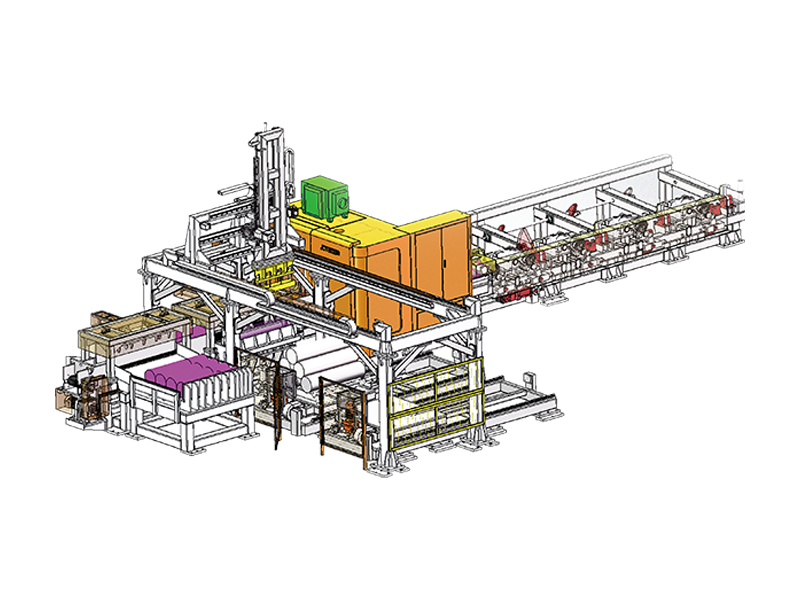
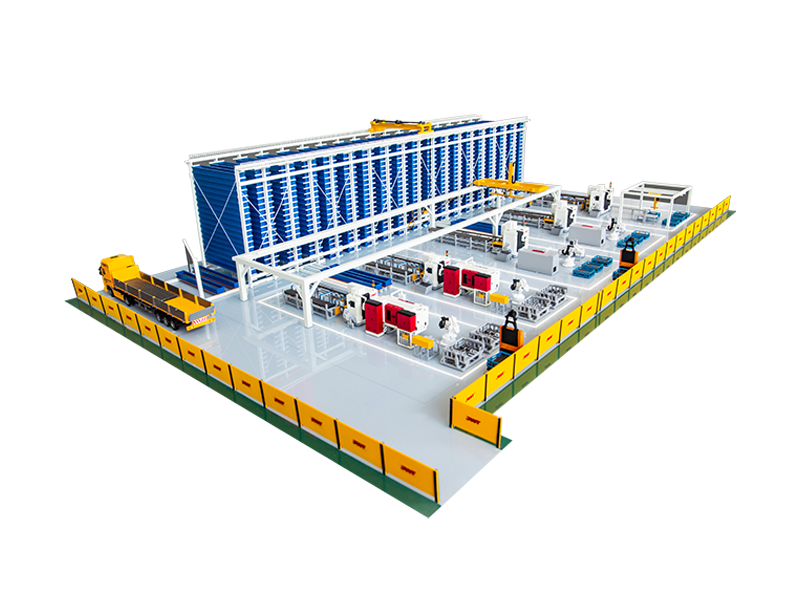
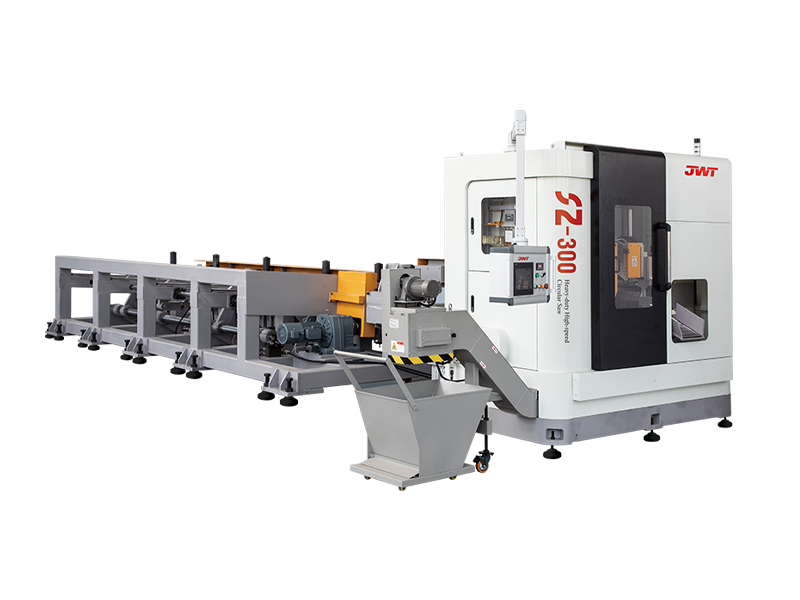


If you are interested in our Circular Saw Machine or production line, please consult us
CONTACT DETAILS
Zhejiang Jingweite Machine Tool Co.,Ltd.
- No.661 Jiyi Road, Wanghai Hi-tech Industrial Park, Haiyan, Jiaxing City, Zhejiang Province
- TEL:+86-0573-86035661
- E-Mail: [email protected]
Products
Quick link
Mobile terminal
