

 中文简体
中文简体 русский
Intelligent Storage Blanking Production Line: A Simple Guide to How It Works and Why It Pays Off
 2026.08.12
 Industry News
Content
- 1 What Is an Intelligent Storage Blanking Production Line
- 2 Core Components That Make It Work
- 3 How the Intelligent Storage System Improves Material Utilization
- 4 Traditional Blanking Line vs Intelligent Storage Blanking Production Line
- 5 Key Benefits for Manufacturers
- 6 Typical Application Industries
- 7 How to Choose the Right Intelligent Storage Blanking Production Line
- 8 Common Challenges and How to Solve Them
- 9 Future Trends in Intelligent Storage Blanking Technology
What Is an Intelligent Storage Blanking Production Line
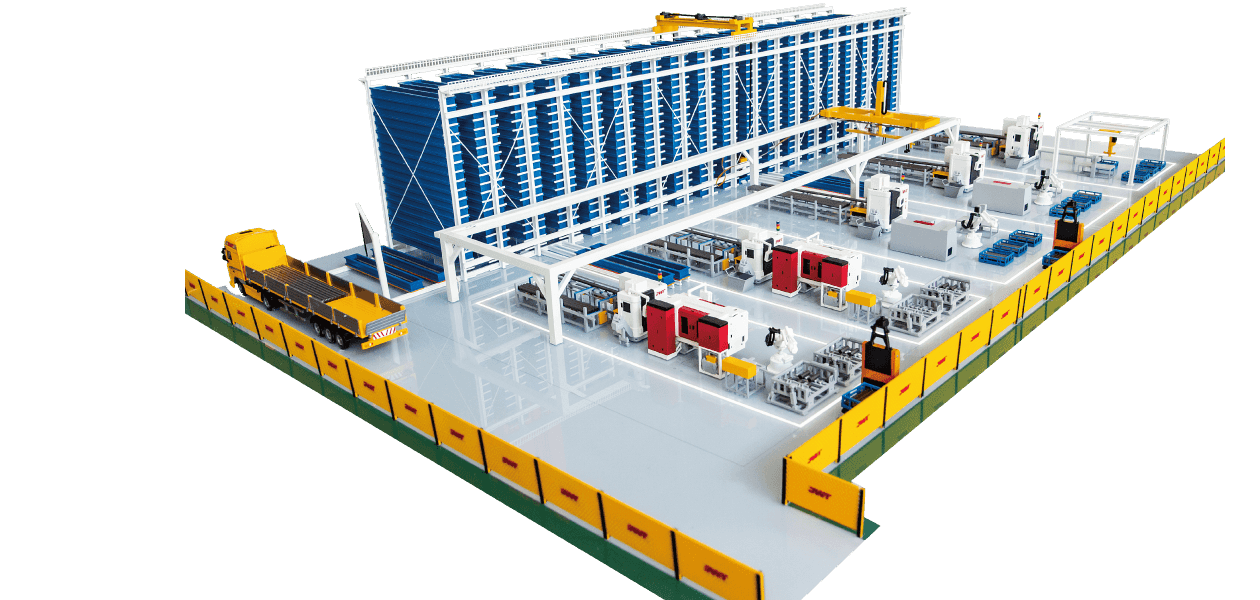
An intelligent storage blanking production line is a fully integrated metal sheet processing system that combines automated raw material storage, intelligent sheet retrieval, laser or punching blanking, and finished part sorting into one continuous workflow. Unlike traditional blanking setups where operators manually move sheets between a warehouse and the cutting machine, this type of line uses a tower-style or shelf-style intelligent storage system connected directly to the cutting equipment through conveyors, robotic arms, or automated guided vehicles (AGVs). The result is a production process that runs with minimal human intervention, higher accuracy, and much faster turnaround from raw material to finished blank.
The core idea behind an intelligent storage blanking production line is to eliminate the bottlenecks that usually happen between material handling and actual cutting. In a traditional workshop, forklifts or cranes are needed to pull sheets from a stack, and workers have to manually check inventory, track material specifications, and feed the machine one sheet at a time. An intelligent storage blanking production line automates all of these steps, allowing the system to select the correct sheet thickness, size, and material type based on production orders, then deliver it straight to the cutting bed.
Core Components That Make It Work
A typical intelligent storage blanking production line is built from several tightly connected modules. Understanding each part helps clarify why this system is so much more efficient than a standalone cutting machine.
- Automated storage tower or rack system that holds raw sheet metal by size, thickness, and material grade
- Loading and unloading robotic arms or suction-cup handling systems that move sheets in and out of storage
- Laser cutting or CNC punching unit responsible for the actual blanking process
- Conveyor or shuttle table system that transports sheets between storage and the cutting bed
- Central control software (often MES-integrated) that manages inventory, scheduling, and cutting programs
- Sorting and stacking stations for finished blanks, sometimes paired with labeling or barcode systems
These components don't work in isolation. The control software is really the brain of the whole intelligent storage blanking production line, constantly communicating with the storage tower to know exactly what materials are available and coordinating with the cutting machine to avoid downtime.
How the Intelligent Storage System Improves Material Utilization
One of the biggest advantages of an intelligent storage blanking production line is nesting optimization. Because the system knows exactly what sheets are in stock, including any offcuts or remnants left over from previous jobs, it can automatically calculate the best cutting layout to reduce scrap. This is a major cost saver, especially when working with expensive materials like stainless steel or aluminum alloys.
Remnant Management
Leftover material from a previous cutting job doesn't get thrown away or forgotten in a corner. The storage system logs the remnant's dimensions and location, then feeds that information back into the nesting software so future orders can reuse it whenever possible. This alone can raise material utilization rates significantly over time.
Real-Time Inventory Tracking
Every sheet entering or leaving the storage tower is recorded automatically, which means production planners always have an accurate picture of stock levels without needing to do manual counts. This reduces the risk of running out of material mid-shift and helps with more accurate purchasing decisions.
Traditional Blanking Line vs Intelligent Storage Blanking Production Line
To better understand the practical difference, it helps to compare the two setups side by side.
| Aspect | Traditional Blanking Line | Intelligent Storage Blanking Production Line |
| Material Handling | Manual, forklift or crane based | Automated storage tower with robotic loading |
| Inventory Accuracy | Manual counting, prone to error | Real-time digital tracking |
| Material Utilization | Lower, remnants often wasted | Higher, remnants tracked and reused |
| Labor Requirement | Multiple operators per shift | Minimal, mostly supervisory |
| Production Continuity | Frequent stoppages for material handling | Near continuous operation |
Key Benefits for Manufacturers
Manufacturers who switch to an intelligent storage blanking production line usually notice improvements across several areas of their operation, not just in cutting speed.
- Reduced labor costs since fewer workers are needed for material handling
- Higher machine uptime because the cutting unit is fed automatically without waiting
- Better workplace safety, with less manual crane and forklift operation around heavy sheets
- Smaller factory footprint thanks to vertical storage towers instead of flat stacking areas
- More consistent part quality since sheet handling damage is minimized
- Faster order response time because material retrieval and cutting scheduling happen automatically
Typical Application Industries
This kind of production line is not limited to one sector. It has become common across a wide range of metal fabrication industries.
Sheet Metal Fabrication Shops
Job shops that handle a wide variety of orders benefit greatly because the system can quickly switch between different sheet types and thicknesses without long changeover times.
Home Appliance Manufacturing
Appliance makers dealing with high-volume, repetitive blanking of steel panels rely on intelligent storage blanking production lines to keep up with fast production cycles while maintaining tight tolerances.
Electrical Cabinet and Enclosure Production
Manufacturers producing electrical enclosures often deal with many different sheet sizes at once, making automated storage and retrieval especially valuable for managing complexity.
How to Choose the Right Intelligent Storage Blanking Production Line
Selecting the right system depends heavily on production volume, material variety, and available floor space. Before investing, it helps to evaluate a few practical factors.
- Storage capacity needed based on daily or weekly material consumption
- Compatibility with existing cutting equipment, whether laser, plasma, or punching
- Software integration capability with existing ERP or MES systems
- Speed of loading and unloading mechanisms to match cutting machine cycle time
- Available vendor support and spare parts availability for long-term maintenance
It is also worth requesting a site visit or a demo run using your own material specifications, since real-world testing often reveals compatibility issues that aren't obvious on paper.
Common Challenges and How to Solve Them
While an intelligent storage blanking production line offers major advantages, implementation isn't always without hurdles. Initial setup cost is often the first concern, since the automated storage tower and integration software require a larger upfront investment compared to a standalone cutting machine. This is usually offset over time through reduced labor and material waste, but it requires careful budgeting.
Another common challenge is software integration with older factory management systems. Choosing equipment vendors who provide open APIs or flexible integration options can prevent this from becoming a long-term headache. Staff training is also important, since operators need to understand how to manage the digital inventory system, not just run the cutting machine itself.
Future Trends in Intelligent Storage Blanking Technology
The next generation of intelligent storage blanking production lines is moving toward deeper AI integration, where the system doesn't just track inventory but actively predicts material needs based on historical order patterns. Combined with IoT sensors, some newer lines can also monitor machine health in real time, scheduling maintenance before a breakdown happens rather than reacting after the fact.
There is also a growing trend toward connecting the intelligent storage blanking production line directly with downstream processes like bending, welding, and assembly, creating a fully digital, end-to-end smart factory workflow. As labor costs continue rising and material prices remain volatile, this level of automation is quickly shifting from a competitive advantage to a baseline expectation in modern metal fabrication.
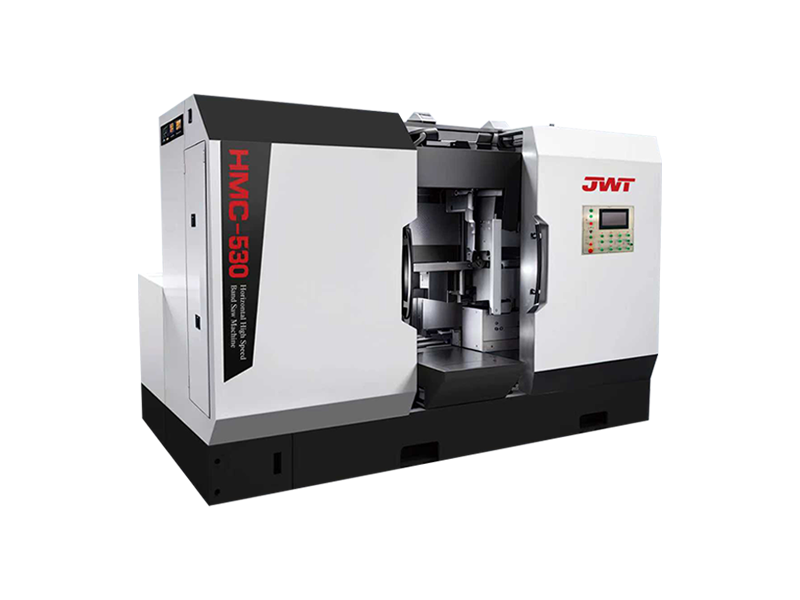
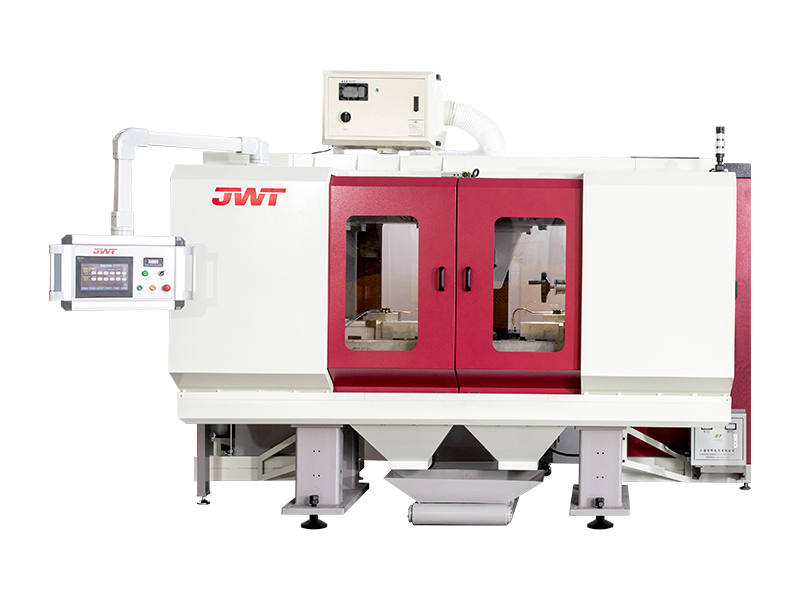
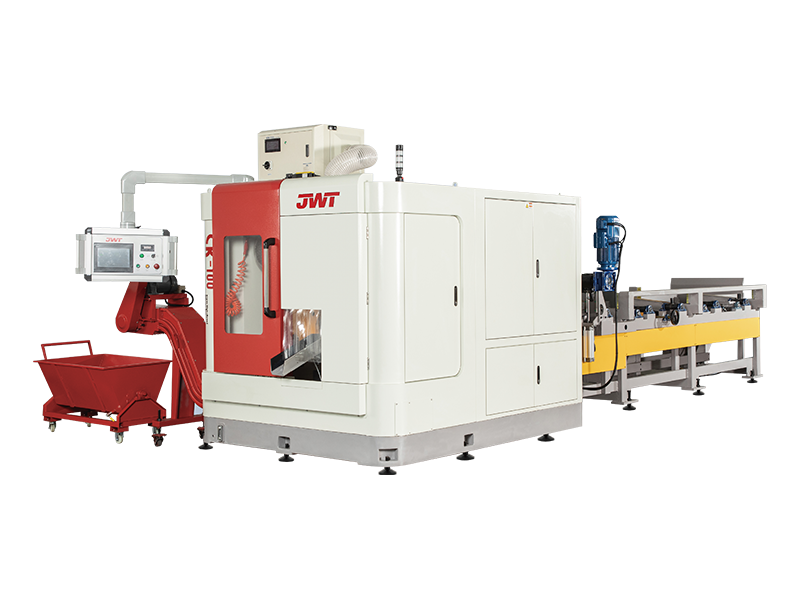
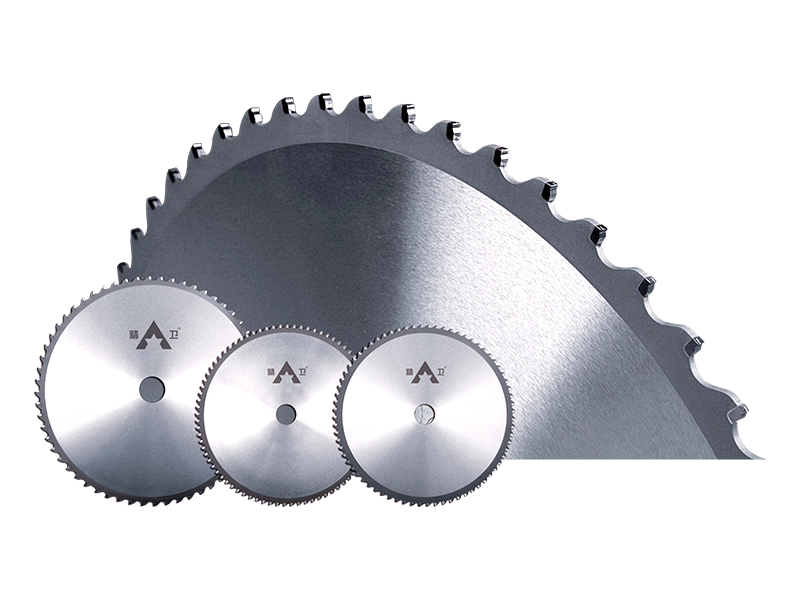
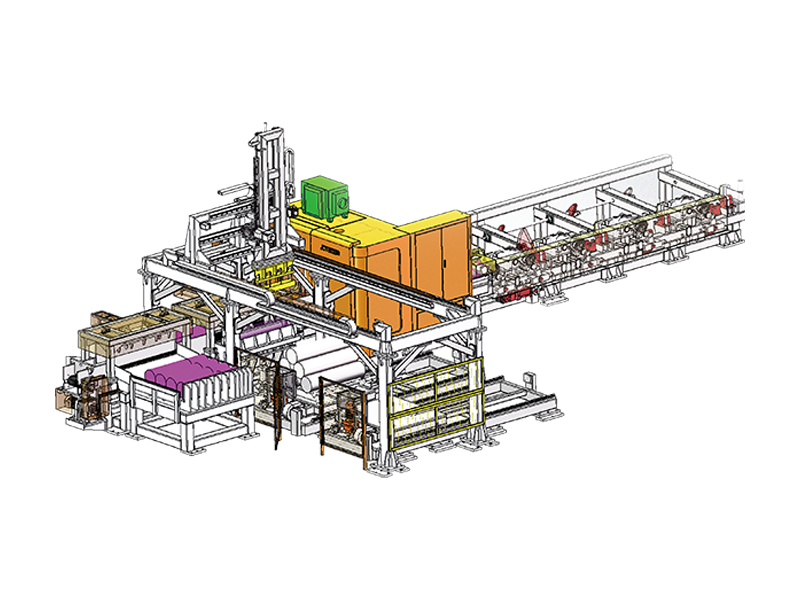
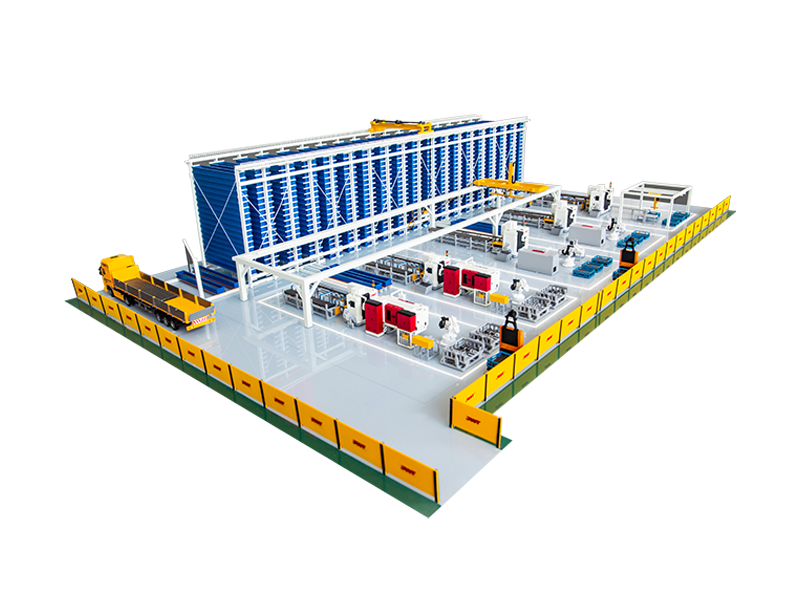
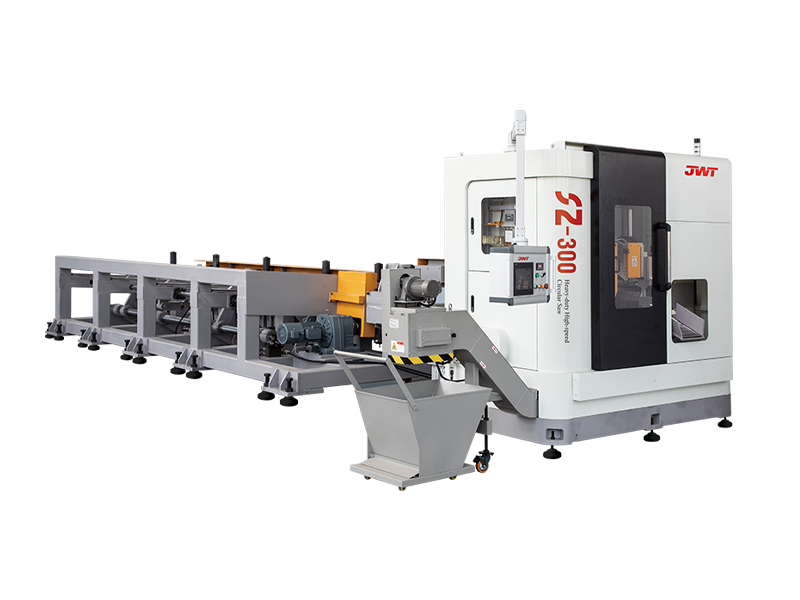
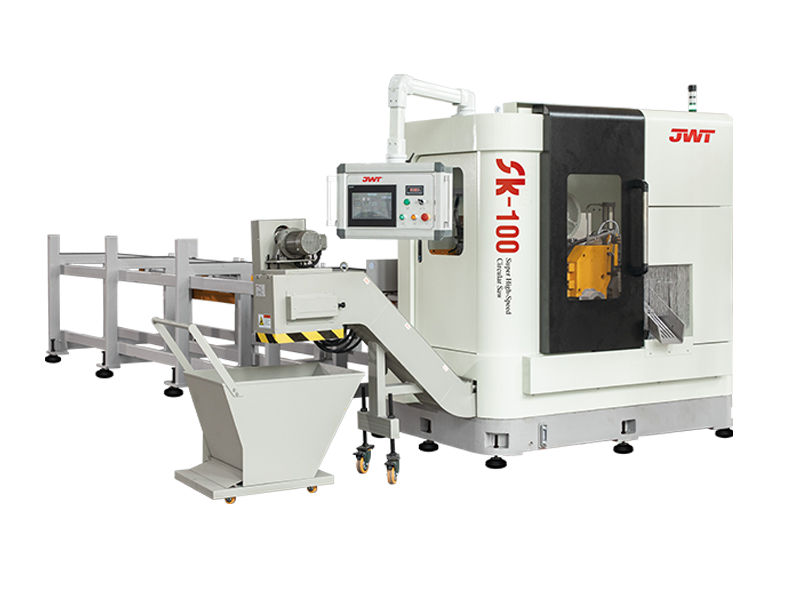

If you are interested in our Circular Saw Machine or production line, please consult us
CONTACT DETAILS
Zhejiang Jingweite Machine Tool Co.,Ltd.
- No.661 Jiyi Road, Wanghai Hi-tech Industrial Park, Haiyan, Jiaxing City, Zhejiang Province
- TEL:+86-0573-86035661
- E-Mail: [email protected]
Products
Quick link
Mobile terminal
