

 中文简体
中文简体 русский
How to Pick the Right Machine Tool Special Saw Blades for Cleaner, Longer-Lasting Cuts
 2026.08.17
 Industry News
Content
- 1 What Are Machine Tool Special Saw Blades and Why They Matter
- 2 Main Types of Machine Tool Special Saw Blades and Their Uses
- 3 How to Choose the Right Special Saw Blade for Your Machine Tool
- 4 Key Materials and Coatings That Affect Blade Performance
- 5 Maintenance Tips to Extend Saw Blade Life
- 6 Common Mistakes When Using Machine Tool Special Saw Blades
What Are Machine Tool Special Saw Blades and Why They Matter
Machine tool special saw blades are cutting tools engineered for use on specific types of machinery, such as circular sawing machines, band saws, and CNC cutting centers, rather than general-purpose hand tools. Unlike standard saw blades, these blades are designed to match the exact speed, torque, and feed rate of the machine they are mounted on. This precise matching is what allows them to cut metal, wood, plastic, or composite materials cleanly and efficiently without excessive vibration or premature wear.
The reason machine tool special saw blades matter so much comes down to production efficiency and part quality. A blade that is mismatched to a machine can cause chatter marks, burred edges, or even tool breakage. In industrial settings where thousands of cuts are made daily, choosing the correct special saw blade directly affects downtime, scrap rate, and overall manufacturing cost.
Main Types of Machine Tool Special Saw Blades and Their Uses
There is no single "best" saw blade because different machines and materials require different tooth geometry, tooth count, and blade body construction. Below are the most common categories found in machine shops today.
Circular Saw Blades for Metal Cutting Machines
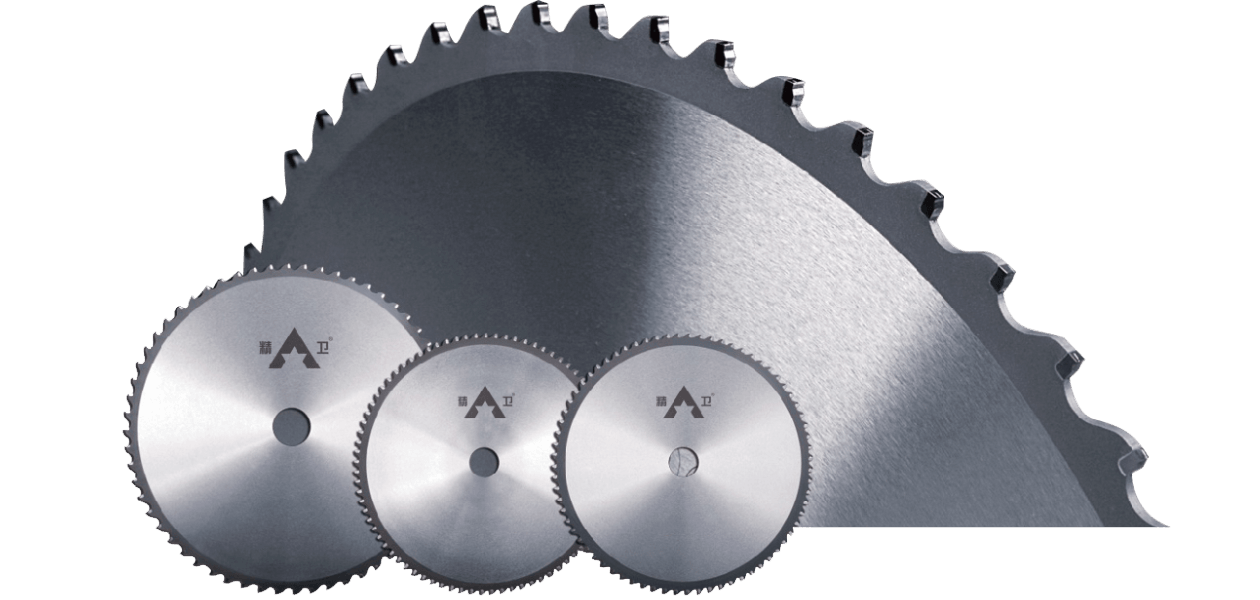
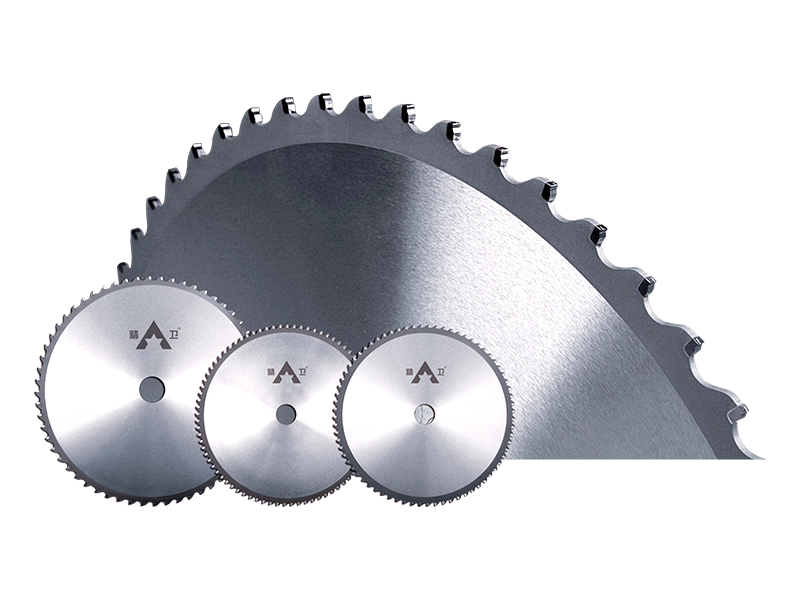
These blades typically use tungsten carbide tipped (TCT) teeth and are built for high-speed cold sawing or friction sawing machines. They are common in steel service centers and tube-cutting lines.
Band Saw Blades for Bandsaw Machines
Bi-metal or carbide-tipped band saw blades are looped and run continuously, making them ideal for cutting solid bar stock, structural steel, and thick plate on horizontal or vertical bandsaws.
Segmented Saw Blades for Stone and Composite Machines
Diamond segmented blades are used on stone-cutting and composite panel machines, offering long service life when cutting abrasive, non-metallic materials.
How to Choose the Right Special Saw Blade for Your Machine Tool
Selecting a machine tool special saw blade should start with three questions: what material are you cutting, what machine will run the blade, and what production volume do you need to sustain. Once these are known, the following comparison can help narrow down the correct blade type.
| Blade Type | Best Material | Typical Machine | Tooth Type |
| TCT Circular Blade | Steel, aluminum | Cold saw, circular saw | Carbide tipped |
| Bi-Metal Band Blade | Structural steel, pipe | Horizontal bandsaw | Variable pitch |
| Diamond Segmented Blade | Stone, concrete, composite | Stone cutting machine | Segmented rim |
| HSS Circular Blade | Thin-wall tube, pipe | Automatic tube cutter | Fine tooth |
Beyond material and machine type, feed rate compatibility should also be checked. A blade designed for slow, heavy feed will not perform well on a machine built for high-speed light cuts, and forcing the mismatch usually shortens blade life significantly.
Key Materials and Coatings That Affect Blade Performance
The base material and coating of a machine tool special saw blade determine how long it lasts and how clean the cut edge will be. Understanding these options helps buyers avoid overspending on a blade that exceeds their needs, or underspending on one that wears out too quickly.
- High-speed steel (HSS): affordable and easy to re-sharpen, suited for lighter cutting jobs.
- Tungsten carbide tipped (TCT): holds an edge far longer than HSS and handles harder metals with less heat buildup.
- Bi-metal construction: combines a flexible steel body with hardened teeth, reducing the chance of blade breakage under stress.
- Titanium nitride (TiN) coating: reduces friction and heat, extending blade life on abrasive materials.
- Diamond coating or segments: essential for cutting stone, ceramic tile, or fiber-reinforced composites.
Maintenance Tips to Extend Saw Blade Life
Even a well-chosen machine tool special saw blade will fail early if it is not properly maintained. Routine care not only extends blade life but also protects the machine spindle and reduces unplanned downtime.
- Clean resin and metal buildup from the teeth after every shift to prevent overheating.
- Check blade tension and alignment regularly, especially on band saw machines.
- Use the correct coolant or lubricant recommended for the material being cut.
- Store blades flat or hung properly to avoid warping teeth or blade bodies.
- Track cutting counts or hours so blades are rotated or replaced before failure occurs mid-production.
Common Mistakes When Using Machine Tool Special Saw Blades
Many blade failures are not caused by poor manufacturing but by avoidable operational mistakes. Recognizing these issues early can save significant time and material cost.
One frequent mistake is selecting a blade based on price alone without checking tooth pitch against material thickness, which often leads to stripped teeth on thin-walled parts. Another common issue is running a new machine tool special saw blade at the same speed settings as a worn-out one, which can cause excessive heat and warping. Operators should also avoid forcing the feed rate beyond the blade's rated capacity, since this is one of the leading causes of premature blade cracking and uneven cuts.
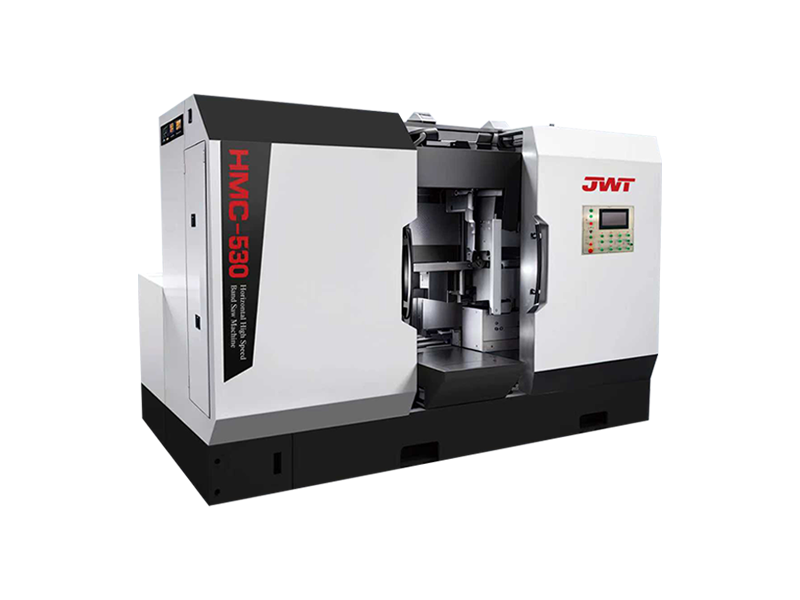
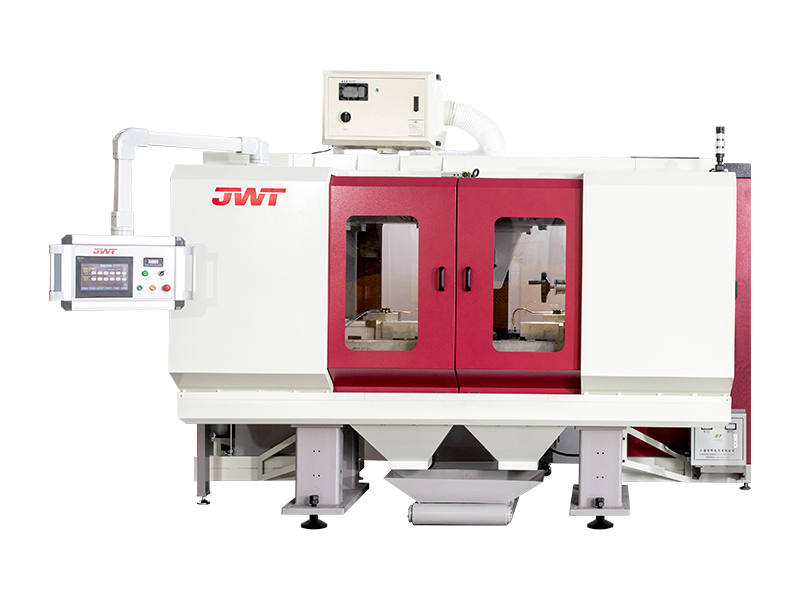
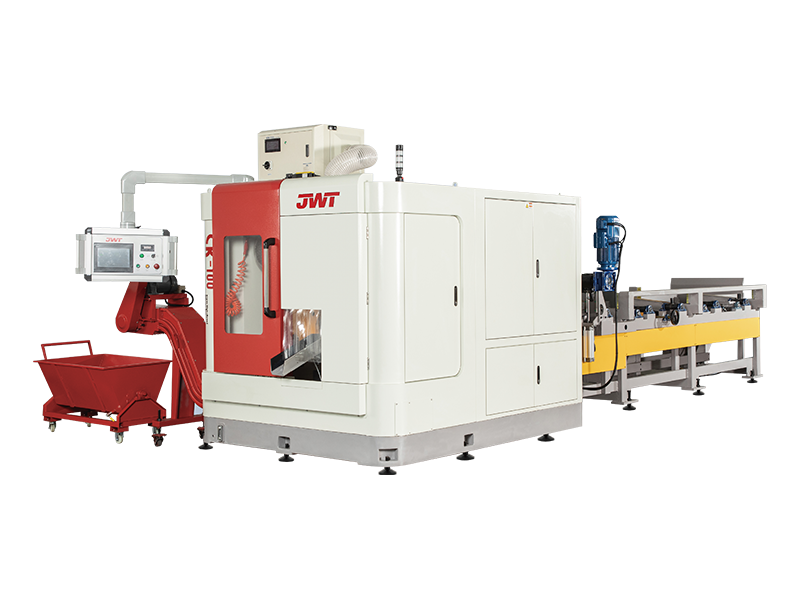
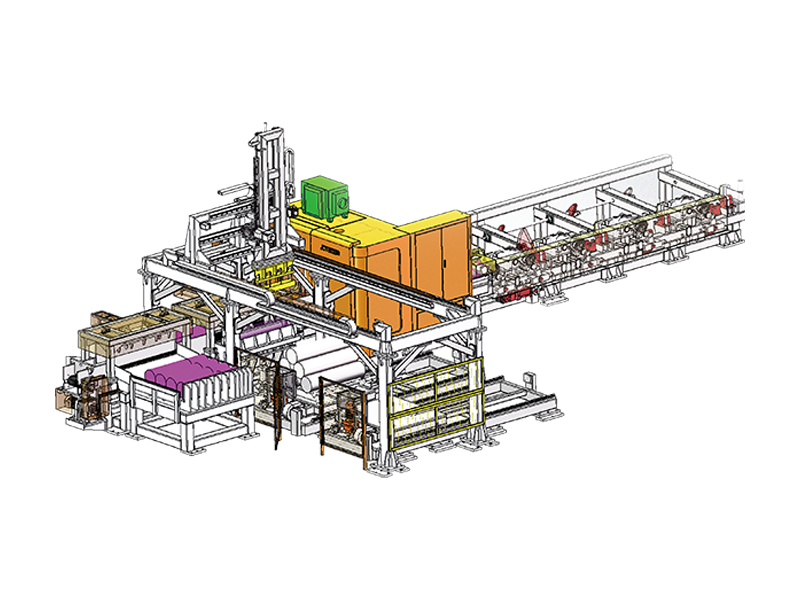

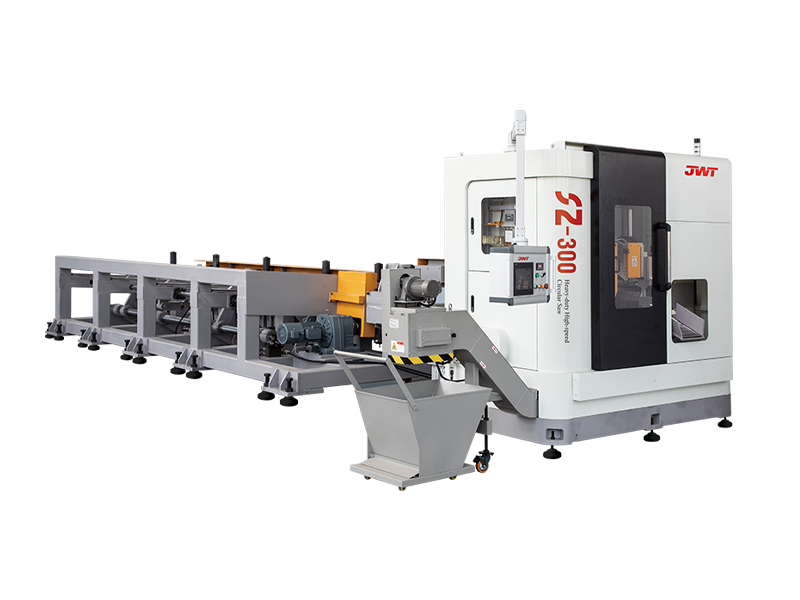
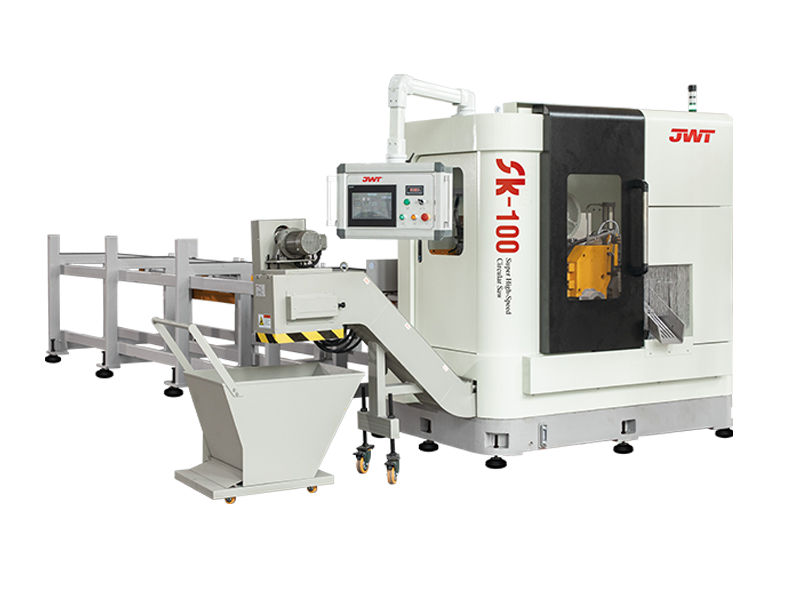

If you are interested in our Circular Saw Machine or production line, please consult us
CONTACT DETAILS
Zhejiang Jingweite Machine Tool Co.,Ltd.
- No.661 Jiyi Road, Wanghai Hi-tech Industrial Park, Haiyan, Jiaxing City, Zhejiang Province
- TEL:+86-0573-86035661
- E-Mail: [email protected]
Products
Quick link
Mobile terminal
