

 中文简体
中文简体 русский
Horizontal High Speed Band Saw Machine: What It Is and Why Metal Shops Love It
 2026.08.25
 Industry News
Content
- 1 What Is a Horizontal High Speed Band Saw Machine?
- 2 How the High Speed Cutting Mechanism Works
- 3 Key Components That Make These Machines Efficient
- 4 Benefits of Choosing a High Speed Model Over Standard Band Saws
- 5 What to Look for When Buying One
- 6 Maintenance Tips to Keep Cutting Speeds Consistent
- 7 Common Mistakes That Slow Down High Speed Cutting
What Is a Horizontal High Speed Band Saw Machine?
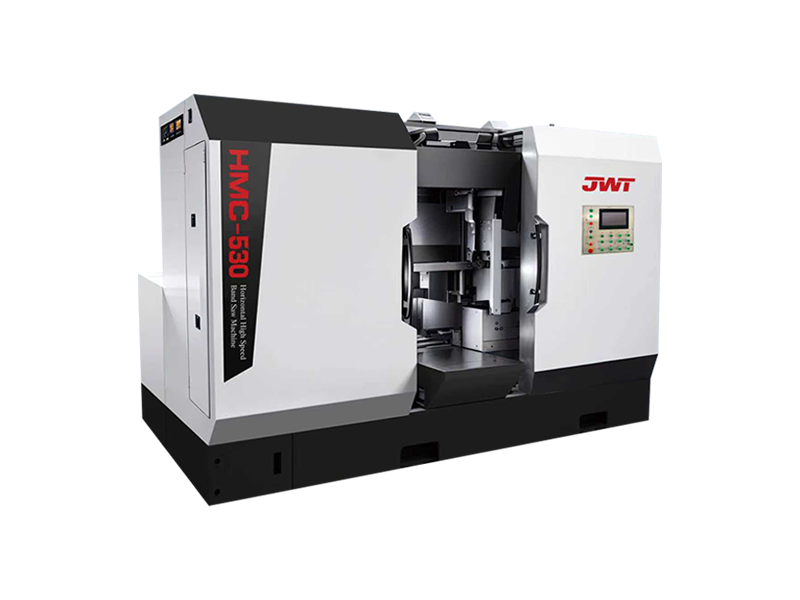
A Horizontal High Speed Band Saw Machine is a metal-cutting tool designed to slice through solid bars, tubes, pipes, and structural steel with a continuous looped blade that moves horizontally across the workpiece. Unlike vertical band saws, which are better suited for irregular or freehand cuts, the horizontal design lowers the saw frame down onto a fixed piece of material, making it ideal for straight, repeatable cuts in production environments. The "high speed" part of the name refers to the blade's ability to run at elevated cutting speeds compared to conventional band saws, which drastically reduces cycle time without sacrificing cut quality.
These machines are a staple in metal fabrication shops, steel service centers, shipyards, and manufacturing plants where large volumes of bar stock need to be cut to length quickly and accurately. Because the blade moves in one continuous direction rather than reciprocating back and forth like a hacksaw, it produces smoother cuts, generates less heat, and wears down more slowly.
How the High Speed Cutting Mechanism Works
The core of a Horizontal High Speed Band Saw Machine is its drive system, which spins the blade around two or more wheels at speeds significantly higher than standard band saws. This is typically achieved through a variable frequency drive (VFD) motor or a multi-speed gearbox, allowing operators to adjust blade speed based on the material being cut. Harder metals like stainless steel or tool steel require slower speeds to prevent excessive heat buildup, while softer materials like aluminum or mild steel can be cut much faster.
During operation, the saw frame descends onto the clamped workpiece under controlled hydraulic or gravity-fed pressure. Sensors and feed-rate controls regulate how quickly the blade advances into the material, balancing speed against blade life and cut accuracy. Many modern units include automatic feed rate adjustment, which senses cutting resistance and slows down or speeds up the blade in real time to avoid blade breakage or premature dulling.
Key Components That Make These Machines Efficient
Understanding the main parts of a Horizontal High Speed Band Saw Machine helps operators troubleshoot issues and maintain peak performance. Below are the components that most directly affect cutting speed and accuracy.
- Blade wheels: Drive and idle wheels that guide the band saw blade around its continuous loop path.
- Blade guides: Carbide or roller guides positioned close to the workpiece to keep the blade stable and prevent wandering during high speed cuts.
- Hydraulic vise: Clamps the material firmly in place so vibration doesn't affect cut precision.
- Coolant system: Delivers cutting fluid to the blade to reduce friction-generated heat, which is critical at higher speeds.
- Control panel: Allows operators to set blade speed, feed rate, and cut length, often with programmable presets for repeat jobs.
Benefits of Choosing a High Speed Model Over Standard Band Saws
Shops that upgrade from a standard horizontal band saw to a high speed version typically notice the difference immediately in throughput. Faster blade speeds mean more cuts completed per shift, which translates directly into lower labor costs per part and quicker turnaround on customer orders. Beyond raw speed, these machines also tend to produce cleaner cut edges, reducing the need for secondary finishing work like deburring or grinding.
Another advantage is blade longevity. While it may seem counterintuitive that running a blade faster would extend its life, high speed models are engineered with better heat dissipation and more precise feed control, which actually reduces the wear caused by friction and material binding. This means fewer blade changes, less downtime, and lower consumable costs over the life of the machine.
Comparing Cutting Speeds Across Material Types
| Material | Recommended Blade Speed (ft/min) | Typical Application |
| Mild Steel | 200-350 | Structural bar, pipe |
| Stainless Steel | 80-150 | Food equipment, medical parts |
| Aluminum | 400-600 | Aerospace, extrusion stock |
| Tool Steel | 60-120 | Die and mold making |
What to Look for When Buying One
Not every Horizontal High Speed Band Saw Machine is built the same, and choosing the right one depends heavily on the type of work your shop handles. Consider these factors before making a purchase.
- Cutting capacity: Check the maximum round, square, and rectangular capacity to make sure it matches your typical stock sizes.
- Blade speed range: Look for a wide adjustable range so the machine can handle both soft and hard metals efficiently.
- Automation level: Semi-automatic machines require manual clamping and cycle start, while fully automatic models handle clamping, cutting, and material advance on their own.
- Frame rigidity: A heavier, more rigid frame reduces vibration and improves cut straightness at high speeds.
- Blade tensioning system: Consistent, reliable tensioning is essential for maintaining accuracy as speeds increase.
Manual vs Automatic Feed Options
Manual feed machines give the operator direct control over how fast the blade descends into the material, which can be useful for small shops with varied, low-volume jobs. Automatic feed machines, on the other hand, use hydraulic or servo-driven systems to control descent speed based on preset parameters, making them the better choice for high-volume production where consistency matters more than hands-on adjustment.
Maintenance Tips to Keep Cutting Speeds Consistent
Regular maintenance is what separates a machine that performs well for years from one that starts losing accuracy after a few months. Blade tension should be checked daily, since a loose blade will wander during high speed cuts and produce angled or uneven surfaces. Coolant levels and concentration also need routine attention, as insufficient coolant flow leads to faster blade wear and can cause the metal to discolor from excess heat.
It's also worth inspecting the blade guides and wheel bearings on a monthly basis, since worn guides allow the blade to flex during cutting, which reduces both speed and precision. Keeping the hydraulic system properly filled and free of air pockets ensures the vise clamps with consistent pressure, which is especially important when running the machine at its higher speed settings where any instability becomes more noticeable in the final cut.
Common Mistakes That Slow Down High Speed Cutting
Even a well-built Horizontal High Speed Band Saw Machine can underperform if it's not operated correctly. One of the most frequent mistakes is using the wrong blade pitch for the material thickness, which causes the teeth to clog or strip prematurely. Another common issue is running the blade at maximum speed for every job regardless of material type, which shortens blade life and can actually slow down overall productivity due to more frequent blade changes.
Skipping proper workpiece clamping is another culprit behind poor results. If the material isn't secured tightly, vibration during high speed cutting can cause the blade to drift off line, resulting in scrapped parts and wasted material. Taking a few extra seconds to confirm proper clamping and blade alignment before starting a cut pays off significantly in both speed and part quality over the course of a shift.
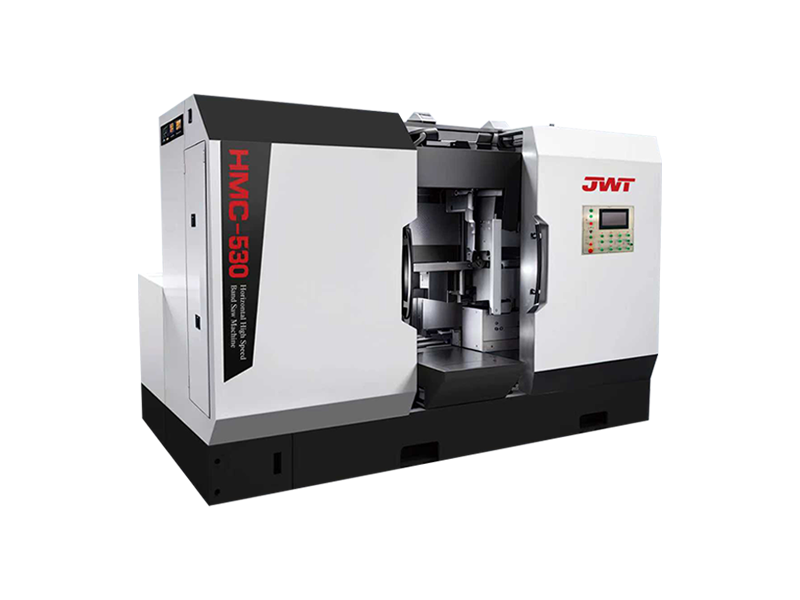
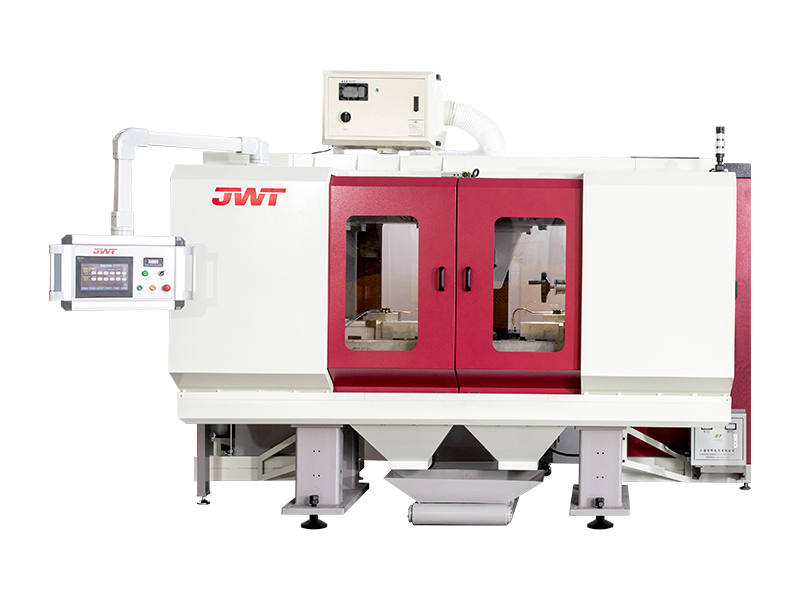
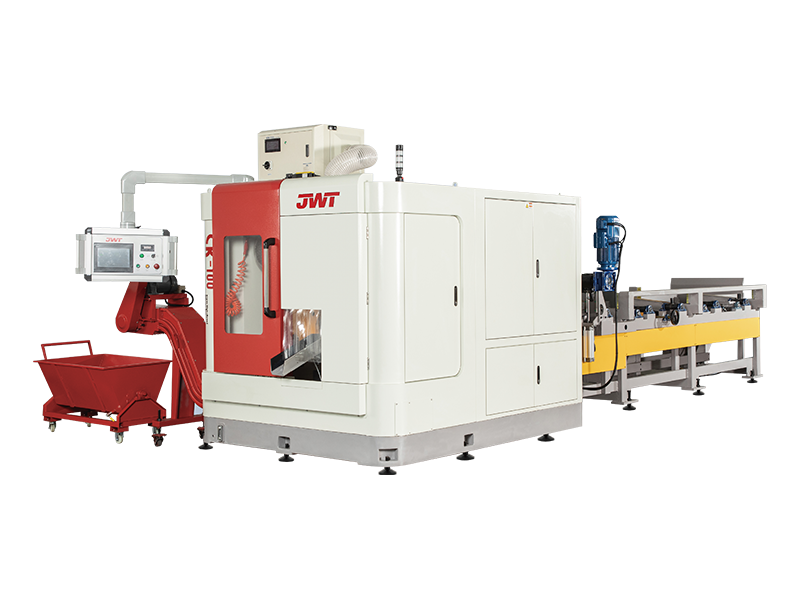
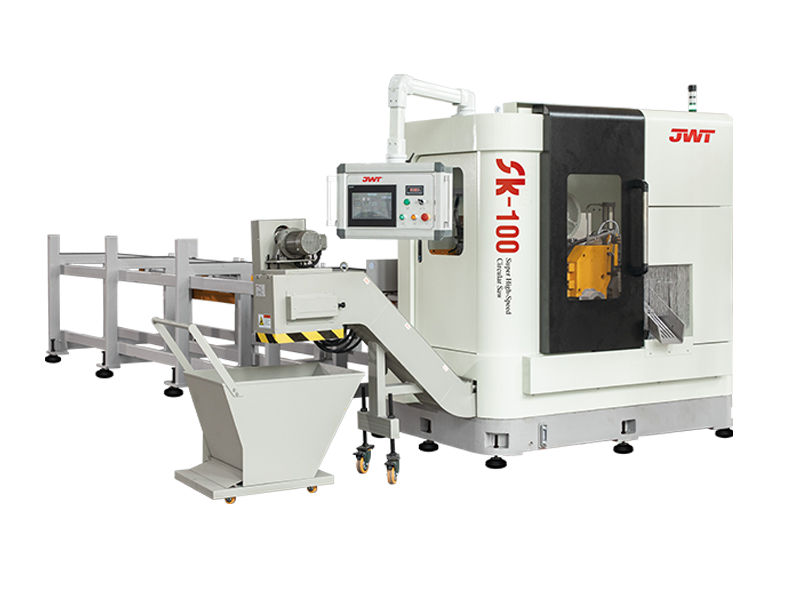

If you are interested in our Circular Saw Machine or production line, please consult us
CONTACT DETAILS
Zhejiang Jingweite Machine Tool Co.,Ltd.
- No.661 Jiyi Road, Wanghai Hi-tech Industrial Park, Haiyan, Jiaxing City, Zhejiang Province
- TEL:+86-0573-86035661
- E-Mail: [email protected]
Products
Quick link
Mobile terminal
