

 中文简体
中文简体 русский
Horizontal High Speed Band Saw Machine: A Complete Buyer's and User's Guide
 2026.04.15
 Industry News
Content
- 1 What Is a Horizontal High Speed Band Saw Machine?
- 2 How a Horizontal High Speed Band Saw Works
- 3 Key Specifications to Understand Before Buying
- 4 Materials You Can Cut with a High Speed Horizontal Band Saw
- 5 Choosing the Right Blade for Your Horizontal High Speed Band Saw
- 6 Manual, Semi-Automatic, and Fully Automatic Horizontal Band Saws
- 7 Maintenance Practices That Extend Machine and Blade Life
- 8 Horizontal High Speed Band Saw vs. Cold Saw vs. Circular Saw: Which Is Right?
- 9 Common Problems and Troubleshooting on High Speed Horizontal Band Saws
- 10 What to Look for When Buying a Horizontal High Speed Band Saw Machine
What Is a Horizontal High Speed Band Saw Machine?
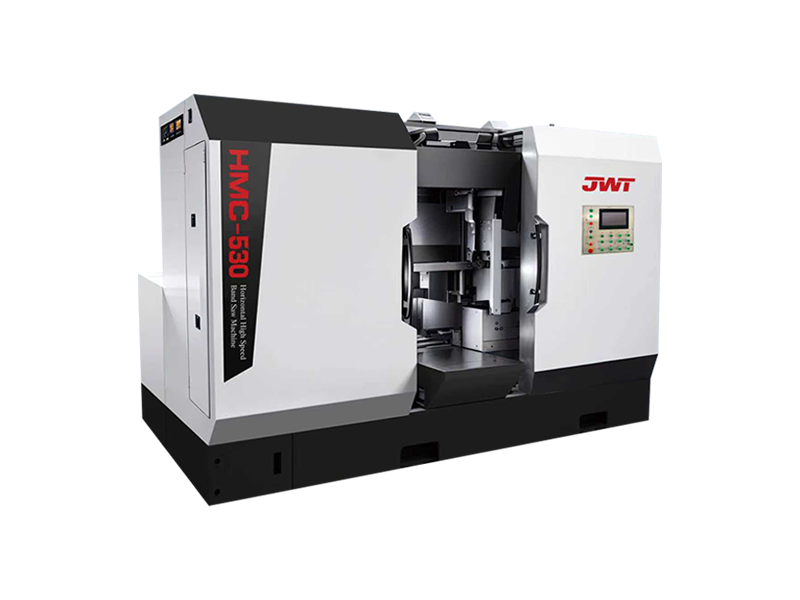
A Horizontal High Speed Band Saw Machine is a cutting tool where the saw blade runs in a horizontal plane, allowing the workpiece to remain stationary while the blade feeds downward through the material. Unlike vertical band saws, the horizontal configuration is purpose-built for straight, precise cuts through solid bars, tubes, profiles, and structural sections — making it the go-to choice in metalworking shops, steel service centers, and manufacturing facilities that need fast, repeatable crosscuts at high volume.
The "high speed" designation refers not just to blade velocity but to the overall cycle time — how quickly the machine can complete a cut, return to start position, feed new material, and begin the next cut. Modern high speed horizontal band saws are engineered to minimize non-cutting time through features like hydraulic feed control, automatic material clamping, and CNC-controlled length stops, resulting in dramatically higher throughput compared to standard band saws or cold saws.
How a Horizontal High Speed Band Saw Works
The operating principle of a horizontal high speed band saw machine centers on a continuous loop blade that runs over two wheels — a driven wheel powered by an electric motor and an idler wheel that maintains tension. The blade is guided through carbide or hardened steel blade guides that keep it tracking straight and absorb lateral cutting forces. The saw head, which houses the blade assembly, pivots or slides downward at a controlled feed rate to cut through the workpiece.
Material is clamped firmly in a fixed vice before the cut begins. On fully automatic horizontal band saws, a servo-driven bar feeder advances the stock to a programmable length stop, clamps it, executes the cut, releases, and repeats — all without operator intervention. Coolant is continuously applied to the blade at the cut zone to dissipate heat, extend blade life, and flush chips away from the kerf.
Pivot-Type vs. Double-Column Design
There are two primary structural configurations in horizontal high speed band saws. Pivot-type machines have a saw head that rotates around a fixed pivot point, meaning the blade enters the material at an arc rather than a perfectly vertical path. This is fine for solid round or square stock but can cause slight angle variation on very wide material. Double-column (also called twin-column) machines guide the saw head straight down on two precision columns, delivering truly vertical cuts regardless of material width. Double-column horizontal band saws are preferred for structural steel, large billets, and applications where cut squareness is critical.
Key Specifications to Understand Before Buying
Shopping for a horizontal high speed band saw machine requires more than comparing horsepower ratings. The following specifications directly determine whether a machine can handle your material types, section sizes, and production demands:
| Specification | What It Means | Typical Range |
| Cutting Capacity (round) | Max diameter of round bar the machine can cut | 100mm – 600mm+ |
| Blade Speed (m/min) | Surface speed of the blade; higher = faster cuts on soft materials | 20 – 120 m/min (variable) |
| Blade Dimensions | Length, width, and thickness of the band saw blade | Varies by machine model |
| Motor Power | Drives the blade wheel; affects cutting force and speed | 1.5 kW – 22 kW+ |
| Feed System | How the saw head descends: hydraulic, servo, or gravity | Hydraulic most common |
| Automation Level | Manual, semi-auto, or fully automatic with bar feeder | Manual to CNC fully auto |
| Kerf Width | Material lost per cut; narrower kerf = less waste | 1.3mm – 2.5mm typical |
Materials You Can Cut with a High Speed Horizontal Band Saw
One of the biggest advantages of horizontal high speed band saw machines is their versatility across material types. With the correct blade selection and speed setting, a single machine can handle a wide range of stock:
- Mild steel and carbon steel: The most common application. Structural sections, flat bar, round bar, and square bar are all cut efficiently. Variable-speed machines allow operators to dial in the optimal blade speed for each grade.
- Stainless steel: Requires lower blade speeds and higher feed force. Bi-metal blades with cobalt-enhanced teeth are recommended. Coolant flow is especially critical to prevent work hardening at the cut zone.
- Aluminum and non-ferrous metals: High speed horizontal band saws cut aluminum, brass, bronze, and copper quickly. Higher blade speeds are appropriate, and blades with fewer, larger teeth (lower TPI) prevent chip packing in the softer material.
- Tool steel and hardened alloys: Carbide-tipped blades or premium bi-metal blades with variable-pitch tooth geometry handle difficult alloys. Blade speed is reduced significantly and feed pressure must be carefully controlled to avoid tooth stripping.
- Titanium: Demanding to cut but manageable on a well-set-up horizontal high speed band saw. Very low blade speeds, aggressive coolant, and sharp bi-metal blades are essential. Titanium's tendency to work-harden requires consistent feed pressure — dwelling in the cut destroys blade teeth rapidly.
Choosing the Right Blade for Your Horizontal High Speed Band Saw
Blade selection is arguably the most important variable in getting the best performance from a horizontal high speed band saw machine. A mismatched blade leads to premature wear, poor cut quality, and excessive machine stress — regardless of how well the machine itself is built.
Tooth Pitch (TPI) Selection
TPI — teeth per inch — determines how aggressively the blade cuts and how well chips are evacuated. The general rule is that at least three teeth should be in contact with the workpiece at all times. For thin-walled tubing or sheet, a higher TPI (10–14) prevents tooth snagging. For large solid billets or bundles of bars, a lower TPI (2–6) with a larger gullet allows chips to clear without packing and overheating the blade. Variable-pitch blades (e.g., 3/4 TPI or 4/6 TPI) reduce harmonic vibration and are preferred on most modern high speed horizontal band saws.
Blade Material: Carbon Steel vs. Bi-Metal vs. Carbide
Carbon steel blades are the most economical but wear quickly on harder materials and higher speeds. Bi-metal blades, which bond high-speed steel teeth to a flexible alloy steel backer, are the industry standard for most horizontal high speed band saw applications — they combine tooth hardness with body flexibility to resist cracking under the blade's continuous bending cycle. Carbide-tipped blades are the premium option for abrasive materials, hardened steels, and graphite composites, offering the longest blade life but at the highest cost per blade.
Manual, Semi-Automatic, and Fully Automatic Horizontal Band Saws
Horizontal high speed band saw machines are available across a wide spectrum of automation, and the right level depends on your production volume, labor availability, and budget.
Manual Horizontal Band Saws
The operator manually positions material, clamps the vice, starts the cut, and retrieves the cut piece. The saw head may return automatically after the cut, but everything else requires hands-on involvement. Manual machines are cost-effective for job shops cutting low volumes of varied materials and sizes, where setup flexibility matters more than cycle time.
Semi-Automatic Horizontal Band Saws
Semi-auto machines automate the cut cycle — clamping, cutting, and head return — but the operator still loads material and sets the length stop manually between cuts. This is the most popular configuration for small-to-mid-size metalworking operations. It dramatically reduces operator fatigue compared to manual machines while keeping the purchase price accessible.
Fully Automatic CNC Horizontal Band Saws
A fully automatic horizontal high speed band saw integrates a servo bar feeder, programmable CNC length control, automatic bundle clamping, chip conveyor, and often a cut-piece handling conveyor. The operator loads a bar or bundle, programs the cutting list, and the machine executes all cuts unattended. High-end CNC band saws can store hundreds of cutting programs, communicate with ERP systems, and track blade life automatically. These machines are standard in steel service centers, automotive supply chains, and aerospace component manufacturers.
Maintenance Practices That Extend Machine and Blade Life
A horizontal high speed band saw machine is a significant capital investment. Consistent maintenance not only extends the machine's service life but directly affects cut quality, blade consumption, and unplanned downtime. The following practices should be part of any standard operating procedure:
- Break in new blades properly: New blades have sharp, somewhat brittle tooth tips. Run the first 50–100 cuts at 50% of normal feed rate to allow the tooth edges to micro-hone themselves. Skipping break-in is the leading cause of premature blade failure on high speed horizontal band saws.
- Check blade tension regularly: Incorrect tension causes blade wander, premature cracking at the weld joint, and poor cut squareness. Use the manufacturer's specified tension for your blade width and refer to a tension gauge rather than estimating by feel.
- Inspect and replace blade guides on schedule: Worn carbide guide inserts allow the blade to deflect laterally during cutting, producing out-of-square cuts. Inspect guide inserts every 20–40 hours of cutting time and replace them at the first sign of grooving.
- Maintain the coolant system: Check coolant concentration weekly using a refractometer. Diluted coolant loses its lubricating properties and accelerates blade wear. Clean the coolant tank monthly to remove chip sludge that can clog the pump and nozzles.
- Clean the chip brush and conveyor daily: Chips allowed to accumulate on the blade wheels cause vibration and accelerate wear on both the blade and the wheel bearings. The chip brush, which cleans chips from the blade between the guides and the drive wheel, should be inspected and replaced regularly.
- Lubricate linear guides and hydraulic cylinders: Follow the manufacturer's lubrication chart. Most double-column horizontal band saws require lubrication of the column ways and vice lead screws at regular intervals to maintain feed accuracy and prevent premature wear.
Horizontal High Speed Band Saw vs. Cold Saw vs. Circular Saw: Which Is Right?
Understanding how a horizontal high speed band saw compares to alternative cutting methods helps clarify where it excels and where other technologies may be more appropriate.
| Factor | Horizontal High Speed Band Saw | Cold Saw | Abrasive Circular Saw |
| Cut surface quality | Very good | Excellent | Poor (requires cleanup) |
| Kerf / material waste | Narrow (1.3–2mm) | Moderate (2–3mm) | Wide (3–4mm+) |
| Large section capacity | Excellent (up to 600mm+) | Limited (typically under 150mm) | Limited |
| Noise and heat | Low | Low | Very high |
| Tooling cost | Low (blades are inexpensive) | High (HSS circular blades) | Low (abrasive discs) |
| Automation potential | Very high (full CNC) | Moderate | Low |
For most general metalworking applications involving medium-to-large section sizes and moderate-to-high production volumes, the horizontal high speed band saw machine offers the best combination of capacity, cut quality, running cost, and automation potential. Cold saws win on surface finish for small precision parts. Abrasive saws remain relevant only for site work or where cost is the sole priority.
Common Problems and Troubleshooting on High Speed Horizontal Band Saws
Even well-maintained machines encounter issues. Recognizing the symptoms and their root causes quickly keeps downtime short:
Blade Drifting or Bowed Cuts
If the cut surface is not square — the blade wanders to one side — check blade guide wear first, then verify blade tension. Dull blades also cause drift as worn teeth on one side cut more aggressively than the other. Replacing the blade is often the fastest fix. On double-column machines, also check that the column ways are clean and properly lubricated.
Premature Blade Breakage
Blades breaking early — before expected life — typically point to incorrect blade tension (too high causes fatigue cracking at the weld), excessive feed rate, or the blade running on a damaged wheel bearing. Check wheel bearings for roughness or play. Inspect the blade weld quality on the next new blade before installing it — a poor factory weld is a known failure point on budget blades.
Rough or Torn Cut Surface
A rough cut finish usually indicates a dull blade, incorrect TPI for the material being cut, insufficient coolant flow, or blade speed that is too high for the material hardness. On stainless steel specifically, a rough finish often means the blade has begun to work-harden the cut zone — reduce blade speed and increase feed rate slightly to keep the blade cutting rather than rubbing.
What to Look for When Buying a Horizontal High Speed Band Saw Machine
Whether you are purchasing your first horizontal band saw or upgrading an existing machine, evaluating suppliers and models on the following criteria will help you make a sound investment:
- Build quality of the machine base: A rigid cast iron or heavy fabricated steel base reduces vibration, which is the enemy of blade life and cut quality on any high speed band saw. Flex the machine specification sheet — heavier machines generally deliver better results on demanding cuts.
- Variable blade speed control: A frequency inverter (VFD) driving the blade motor allows you to optimize blade speed for each material. Fixed-speed machines are a compromise that works for one material but is suboptimal for everything else.
- Hydraulic feed control quality: The ability to set and hold a precise, consistent feed rate — especially at the beginning and end of the cut — is what separates high-quality horizontal band saws from cheap imitations. Ask for a live cutting demonstration before purchasing.
- Spare parts and service network: Band saw machines are workhorses that run hard. Verify that the supplier maintains local stock of wear parts — guide inserts, vice jaw inserts, coolant pumps, and hydraulic seals — and has qualified service technicians within a reasonable distance of your facility.
- Warranty and after-sales support: A minimum 12-month parts and labor warranty is standard on quality machines. Ask specifically about what is and is not covered, and whether the supplier offers a preventive maintenance contract for year two and beyond.
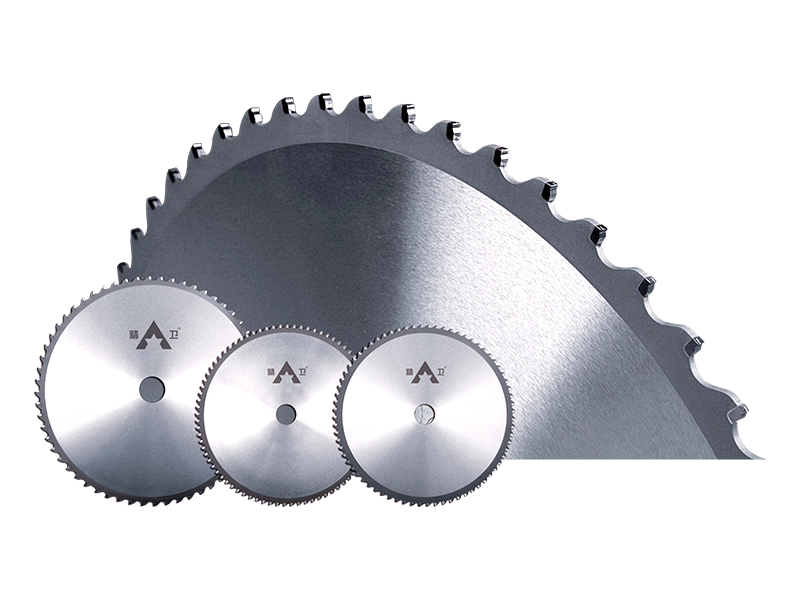
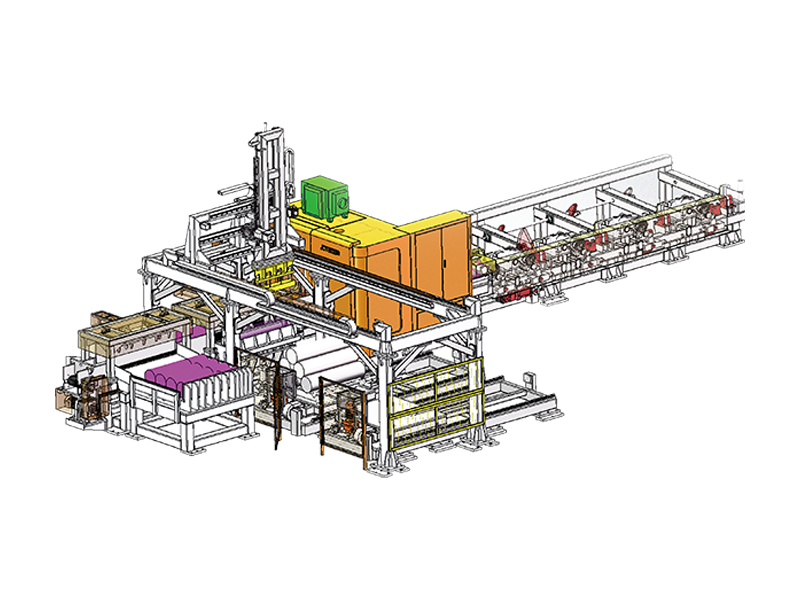
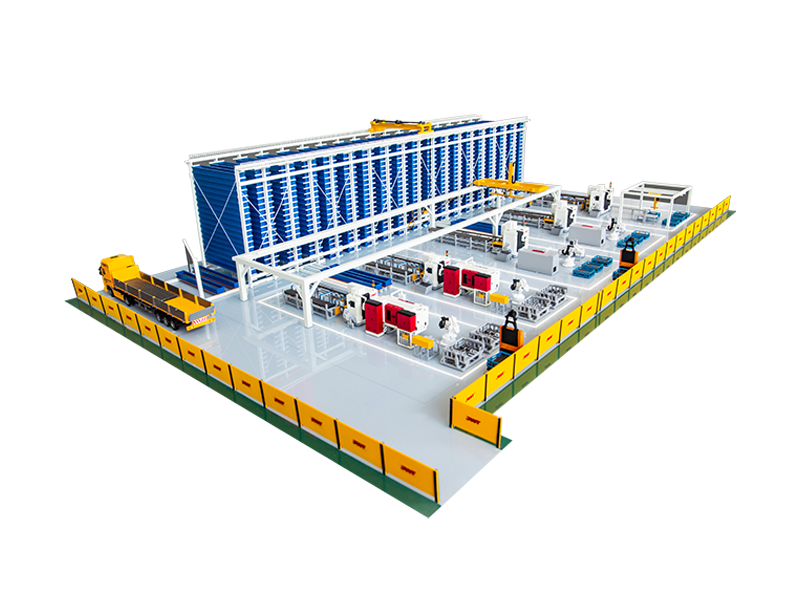
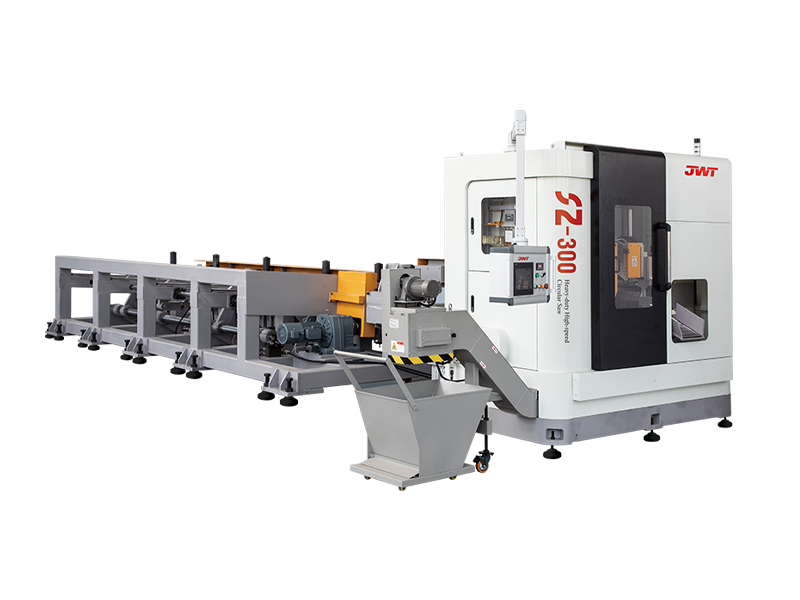
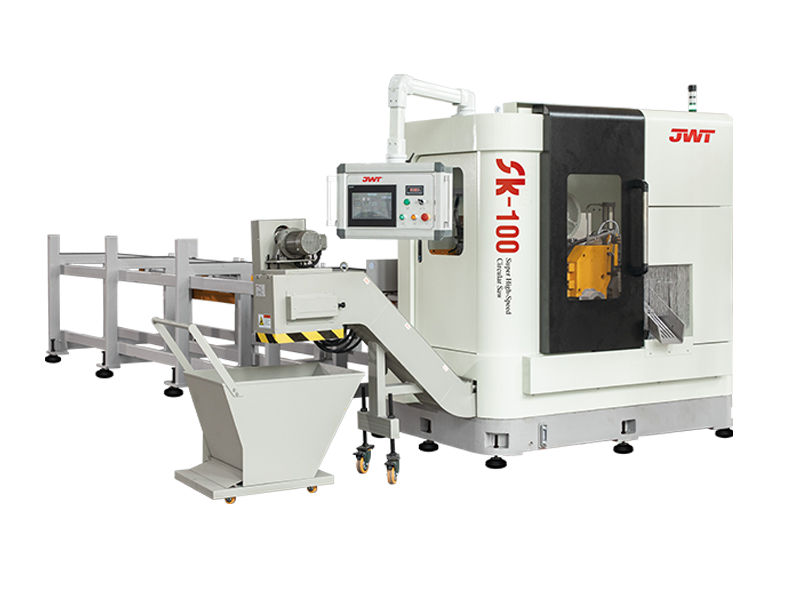

If you are interested in our Circular Saw Machine or production line, please consult us
CONTACT DETAILS
Zhejiang Jingweite Machine Tool Co.,Ltd.
- No.661 Jiyi Road, Wanghai Hi-tech Industrial Park, Haiyan, Jiaxing City, Zhejiang Province
- TEL:+86-0573-86035661
- E-Mail: [email protected]
Products
Quick link
Mobile terminal
