

 中文简体
中文简体 русский
Everything You Need to Know About Using a Circular Saw Machine
 2026.04.20
 Industry News
Content
- 1 What a Circular Saw Machine Actually Is and How It Works
- 2 The Different Types of Circular Saw Machines
- 3 Circular Saw Machine Blade Guide: Choosing the Right Blade
- 4 How to Make Accurate Cuts with a Circular Saw Machine
- 5 Circular Saw Machine Safety: Rules That Actually Matter
- 6 Corded vs. Cordless Circular Saw Machine: Which Should You Get?
- 7 Maintaining Your Circular Saw Machine to Keep It Cutting Clean
- 8 Common Circular Saw Machine Problems and How to Fix Them
What a Circular Saw Machine Actually Is and How It Works
A circular saw machine is a power tool that uses a round, toothed blade spinning at high speed to cut through materials like wood, metal, plastic, masonry, and more. The blade rotates continuously in one direction, and the tool is either pushed along the material (in handheld models) or the material is fed into a fixed blade (in table-mounted versions). Unlike jigsaws or reciprocating saws, a circular saw machine produces a straight, fast, and clean cut — making it one of the most widely used cutting tools in both professional construction and home workshops.
The core mechanism is straightforward: an electric motor (corded or brushless cordless) drives the blade arbor via a gear system, spinning the blade typically between 4,500 and 5,800 RPM. A guard covers the upper half of the blade permanently, while a spring-loaded lower guard retracts automatically as the saw moves into the material and snaps back after the cut is complete. Depth and bevel adjustment mechanisms allow the user to control how deep the blade cuts and at what angle — giving a single tool considerable versatility across job types.
The Different Types of Circular Saw Machines
The term "circular saw machine" covers a broader family of tools than most people realize. Each variant is designed around a specific set of tasks, and choosing the right type matters more than any blade or brand decision.
Sidewinder (Inline) Circular Saw
The sidewinder is the most common handheld circular saw machine for general use. The motor sits beside the blade and drives it directly. These saws are lightweight, fast, and affordable, making them the go-to choice for framing, sheathing, and general lumber cutting. Most consumer-grade models use a 7-1/4 inch blade and weigh between 7 and 10 lbs. They favor right-handed users since the blade is typically on the right side of the motor.
Worm Drive Circular Saw
A worm drive circular saw places the motor behind the blade in a worm-gear configuration, producing higher torque than a direct-drive sidewinder. The blade sits on the left side, which many experienced carpenters prefer for better sightlines. Worm drive saws are heavier (often 12 to 15 lbs) and more expensive, but they excel at demanding tasks like cutting thick lumber, engineered beams, or wet pressure-treated wood on construction sites. Skilsaw's HD77 is the most recognized example of this type.
Track Saw (Plunge-Cut Circular Saw)
A track saw is a circular saw machine designed to run along a aluminum guide rail, producing cabinet-quality straight cuts in sheet materials like plywood, MDF, and melamine. Unlike a standard circular saw used with a straightedge, a track saw has a scoring pre-cut that eliminates tearout on delicate surfaces. This makes it the preferred tool for furniture makers, kitchen installers, and finish carpenters. Festool, Makita, and Bosch all make well-regarded track saw systems.
Table-Mounted Circular Saw (Table Saw)
When a circular blade is mounted below a table surface and the material is fed through it, the result is a table saw — arguably the most powerful and precise circular saw machine available to woodworkers. Table saws come in contractor, hybrid, and cabinet configurations ranging from portable jobsite units to 700 lb stationary machines. They offer exceptional repeatability for ripping boards to width and are the backbone of any serious woodworking shop.
Miter Saw (Chop Saw)
A miter saw is a fixed circular saw machine where the blade pivots down onto stationary material. It excels at making precise crosscuts and miter angles on framing lumber, molding, and trim. Sliding compound miter saws add a rail system that lets the blade travel forward, increasing the width of material the saw can crosscut. While not suited for sheet goods or rip cuts, a miter saw is indispensable for trim work and any application requiring repeated accurate angle cuts.
Circular Saw Machine Blade Guide: Choosing the Right Blade
The blade is the most important variable in any circular saw machine setup. The same saw can produce rough demolition cuts or glass-smooth finish cuts depending solely on which blade is installed. Here's what to consider:
| Blade Type | Tooth Count | Best For | Cut Quality |
| Framing / Ripping Blade | 16–24 teeth | Rough lumber, framing, fast cuts | Coarse |
| General Purpose Blade | 40 teeth | Mixed ripping and crosscutting | Medium |
| Finish / Crosscut Blade | 60–80 teeth | Trim, plywood, melamine, hardwood | Fine |
| Metal Cutting Blade | 50–68 teeth | Steel, aluminum, thin sheet metal | Clean |
| Diamond / Abrasive Blade | Segmented or continuous | Concrete, tile, masonry | Depends on grit |
Blade diameter must match your saw. Most standard handheld circular saw machines use a 7-1/4 inch (184mm) blade, which gives a maximum cut depth of about 2-1/2 inches at 90 degrees. Smaller 6-1/2 inch blades are used on compact saws, while table saws typically run 10-inch blades. Always check that the blade's arbor hole matches your saw's arbor size — typically 5/8 inch for woodworking blades.
How to Make Accurate Cuts with a Circular Saw Machine
A circular saw machine is capable of very precise cuts — but only with the right setup. Freehand cuts through sheet goods almost always wander. Here's how to cut accurately every time:
Setting the Correct Blade Depth
Set the blade so it protrudes only about 1/4 inch (6mm) below the bottom of the material being cut. A blade that extends too far is dangerous and cuts poorly; one set just deep enough reduces binding, minimizes kickback risk, and produces a cleaner exit cut. Loosen the depth adjustment lever, hold the saw against the material edge to gauge depth visually, then re-lock before cutting.
Using a Guide or Straightedge
For cutting sheet material like plywood or OSB with a handheld circular saw machine, clamp a straightedge or aluminum level to the workpiece at the correct offset from your cut line. The offset is the distance from the edge of the saw's base plate to the blade — measure this on your specific saw once and write it down. A $15 rip guide fence (which threads into the base plate) serves the same function for cuts parallel to a board edge.
Preventing Tearout on Finished Surfaces
Circular saw blades cut on the upstroke, which means tearout occurs on the top face of the material. To protect a finished surface, place it face-down when cutting with a handheld saw. When using a table saw or track saw, the finished face goes up since the blade cuts downward through the material. Apply painter's tape along the cut line on delicate materials like veneer plywood or laminate before marking and cutting.
Making Plunge Cuts
A plunge cut starts the blade in the middle of a panel rather than from the edge — used when cutting out an electrical outlet box, a sink hole in a countertop, or a window opening in sheathing. Retract the lower blade guard manually, align the blade just off the cut line, pivot the saw forward on the front of the base plate until the blade clears the material, then lower it in. Only purpose-built plunge saws or track saws should perform plunge cuts on a regular basis — on a standard circular saw machine, this technique carries a higher kickback risk and should only be done by experienced users.
Circular Saw Machine Safety: Rules That Actually Matter
Circular saw machines are among the most statistically dangerous power tools in the workshop, responsible for tens of thousands of emergency room visits each year. Most accidents come from kickback — a sudden, violent reaction when the blade binds in the kerf and the saw is thrown back toward the operator. Understanding kickback and following consistent safety habits eliminates the majority of risk.
- Always support the workpiece properly: Unsupported material pinches the blade as it sags after the cut, causing kickback. Support both sides of the cut with sawhorses or foam insulation laid flat on the ground. Never cut with the offcut piece hanging in the air without support.
- Keep the lower guard functional: Never tie, tape, or wire the lower guard in the open position. It exists to protect you the moment the saw leaves the material. If it doesn't retract smoothly, clean the pivot and spring mechanism — don't disable it.
- Stand to the side of the cut line: Position your body slightly to the left or right of the blade's path — never directly behind it. If kickback occurs, the saw launches backward along the cut line. Standing aside puts you out of the danger zone.
- Use a sharp blade: Dull blades require more force to push through material, generate more heat, and are far more likely to bind and kick back. If a blade requires noticeably more effort than it used to, replace or sharpen it.
- Wear proper PPE: Safety glasses are non-negotiable — circular saws throw chips and debris at high velocity. Hearing protection is strongly recommended for extended use (most circular saw machines produce 95 to 110 dB). Avoid loose clothing or gloves that can catch on the blade.
- Disconnect power before changing blades: Unplug corded saws or remove the battery from cordless saws before touching the blade. The lower guard retracts easily, and accidental motor activation during a blade change is an extremely serious hazard.
- Let the blade stop completely before setting the saw down: After completing a cut, the blade continues spinning for several seconds. Keep it elevated until it fully stops, then place the saw down with the blade facing away from you and any bystanders.
Corded vs. Cordless Circular Saw Machine: Which Should You Get?
Ten years ago, this was a clear choice: corded saws were more powerful and cordless saws were underpowered backups. Modern brushless cordless circular saw machines running on 20V or 60V battery platforms have changed that equation significantly — but both types still have their place.
| Factor | Corded Circular Saw | Cordless Circular Saw |
| Power output | 15A constant (1,800W+) | Varies; 60V FlexVolt matches corded |
| Runtime | Unlimited (while plugged in) | 50–200 cuts per charge |
| Weight | Lighter (no battery) | Heavier (battery adds 1–2 lbs) |
| Portability | Limited by cord length | Full freedom of movement |
| Cost | Lower upfront | Higher (battery cost included) |
| Best setting | Workshop, stationary job sites | Rooftops, remote sites, renovation |
For most homeowners and occasional DIYers, a cordless circular saw machine on a mainstream 20V platform is the practical choice — especially if you already own batteries from other tools in the same ecosystem. For professionals who run a saw hard all day, a corded 15-amp worm drive or sidewinder remains the more cost-effective high-output option.
Maintaining Your Circular Saw Machine to Keep It Cutting Clean
A circular saw machine is a relatively low-maintenance tool, but a few consistent habits keep it performing well and extend its service life significantly.
Clean the Blade and Guard After Every Use
Pitch and resin from wood accumulate on blade teeth and the lower guard pivot, slowing guard retraction and dulling the blade faster. After cutting, wipe down the blade with a rag dampened with mineral spirits or a dedicated blade cleaner. Spray compressed air into the lower guard mechanism to clear sawdust from the spring and pivot pin. A guard that sticks or retracts sluggishly is a safety hazard that's usually fixed by five minutes of cleaning.
Inspect and Replace the Blade Regularly
A carbide-tipped circular saw blade typically lasts between 120 and 300 linear feet of cutting per tooth before needing sharpening or replacement, depending on material hardness. Signs of a dull blade include burning or scorch marks along the cut, the saw requiring noticeably more feed force, and rough or splintered cut edges. Most woodworkers find it more economical to replace mid-range blades ($20 to $50) rather than sharpen them, while premium blades ($80 to $150) are worth professional sharpening two or three times before replacement.
Check the Base Plate and Bevel Adjustment
The base plate (also called the shoe) must sit flat and square to the blade for accurate cuts. Periodically use a reliable square to verify the blade is exactly 90 degrees to the base. If it's off, loosen the bevel lock, adjust, and reset — most saws have a positive stop at 90 degrees that you can calibrate. Also check the base plate for warping or damage; a bent shoe makes it impossible to cut straight even with a guide.
Store Properly and Protect the Blade
Store your circular saw machine in a dry environment, preferably in its original case or a dedicated tool bag. If storing with the blade installed, attach a blade cover — most quality blades come with a plastic slip-on protector. Moisture causes rust on the blade plate and arbor nut; if your workshop is humid, apply a light coat of tool oil to metal surfaces before long-term storage. For cordless saws, store batteries at around 40–60% charge in a cool, dry location to maximize battery longevity.
Common Circular Saw Machine Problems and How to Fix Them
Even a quality circular saw machine runs into issues over time. Here are the most frequent problems and their practical solutions:
- Saw cuts at an angle instead of straight: This usually means the base plate is not square to the blade. Check the 90-degree bevel stop and recalibrate. It can also be caused by a bent or warped base plate — inspect it on a flat surface and replace if needed.
- Blade binds or stalls mid-cut: Caused by the kerf closing on the blade due to unsupported material, a dull blade, or feeding too fast. Support both sides of the cut, slow your feed rate, and check blade sharpness. On cordless models, it can also indicate low battery voltage — swap the pack.
- Excessive burning on cut edges: A dull blade or a feed rate that's too slow causes heat to build up. Replace or clean the blade and move through the material at a steady, consistent pace rather than stopping mid-cut.
- Lower guard not retracting smoothly: Sawdust and pitch buildup is almost always the cause. Clean the guard mechanism with compressed air and blade cleaner. If the spring is broken, the guard must be replaced — this is a safety-critical component and should not be skipped.
- Saw vibrates excessively: A blade that is damaged, unbalanced, or improperly seated on the arbor will cause heavy vibration. Remove the blade and inspect for missing carbide teeth, warping, or cracks. Reseat it correctly with the arbor nut torqued firmly — do not overtighten, as this can crack the blade collar.
- Circular saw motor cuts out under load: On corded saws, this can indicate a faulty trigger switch, worn carbon brushes (on brushed motors), or an overloaded circuit. Check the motor brushes first — on most corded saws, they're accessible via a cap on the motor housing and are inexpensive to replace. On cordless saws, it often means the battery's protection circuit is triggering; let the battery cool and try again.
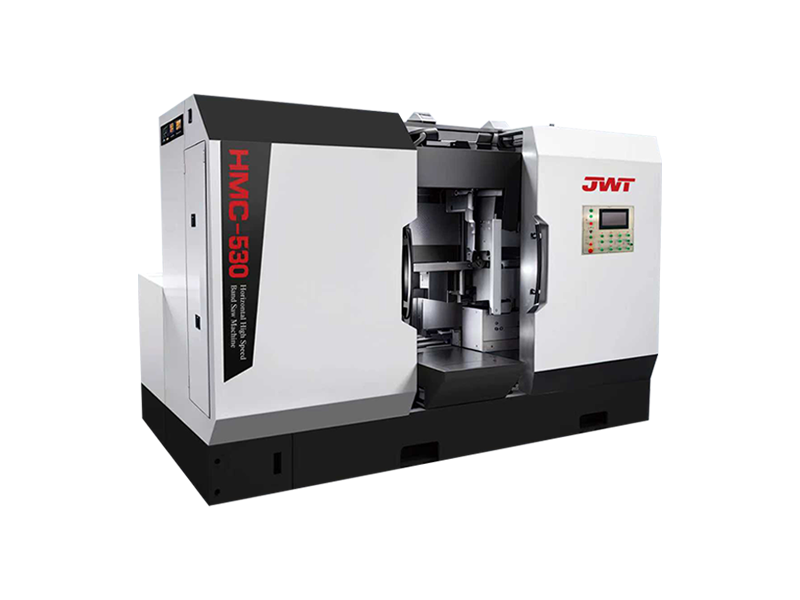

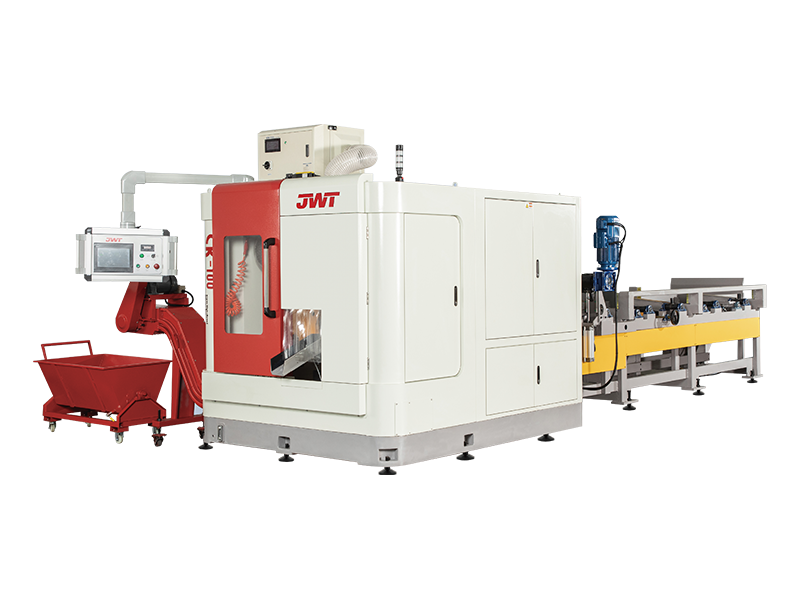
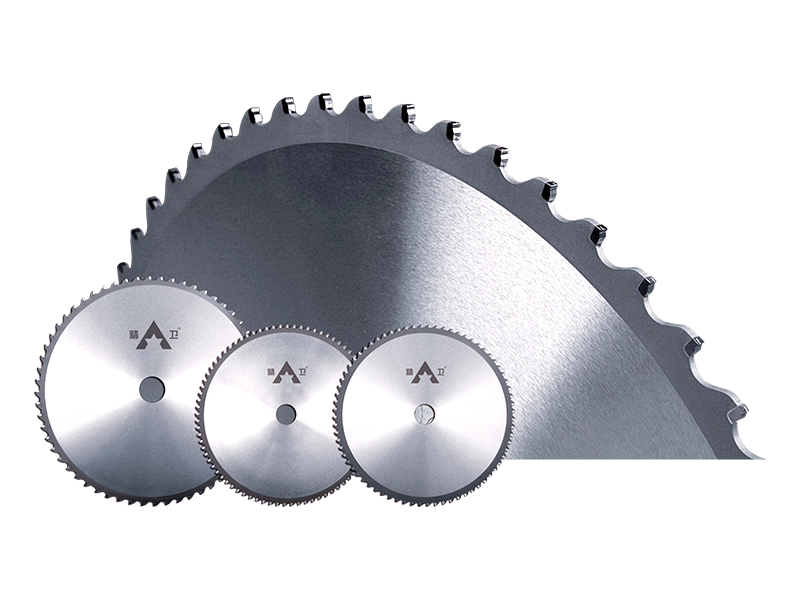
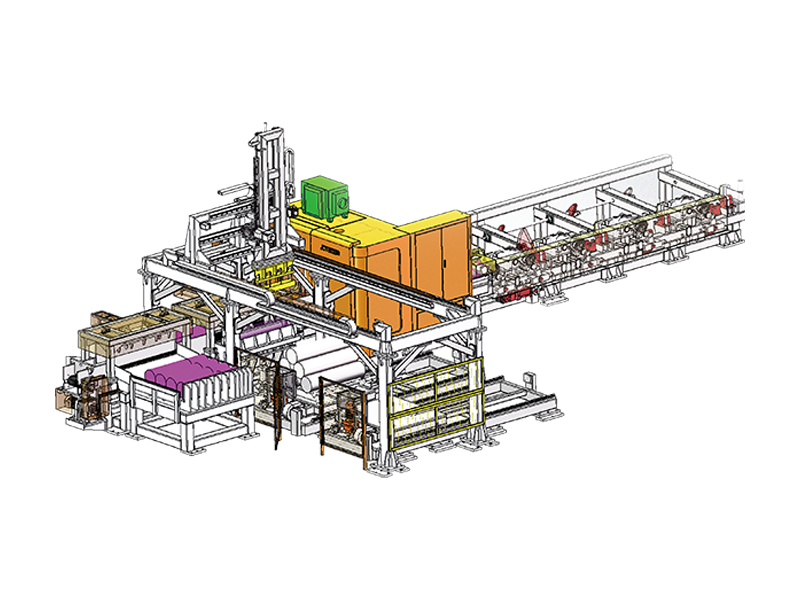
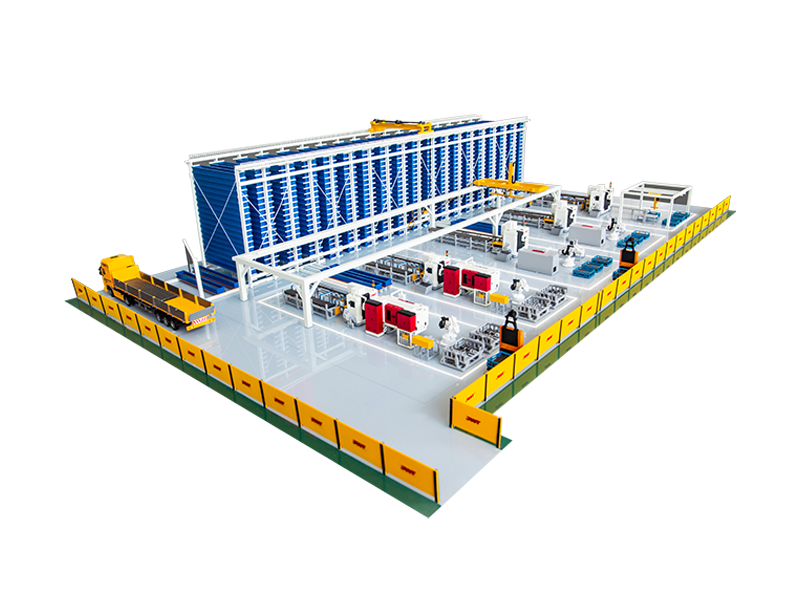
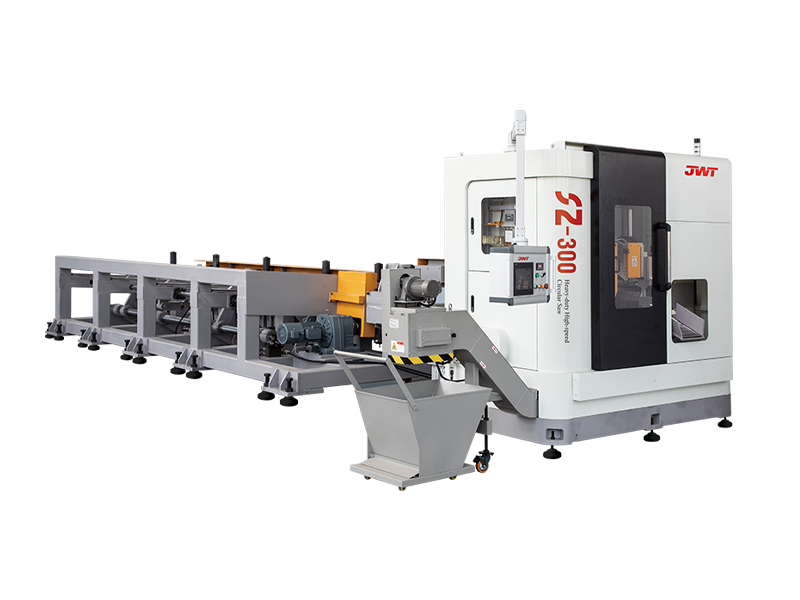
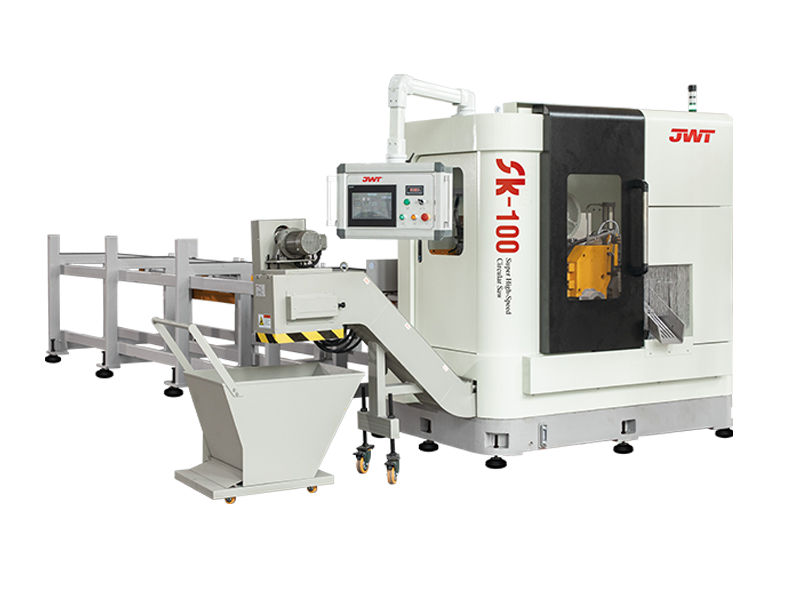

If you are interested in our Circular Saw Machine or production line, please consult us
CONTACT DETAILS
Zhejiang Jingweite Machine Tool Co.,Ltd.
- No.661 Jiyi Road, Wanghai Hi-tech Industrial Park, Haiyan, Jiaxing City, Zhejiang Province
- TEL:+86-0573-86035661
- E-Mail: [email protected]
Products
Quick link
Mobile terminal
