

 中文简体
中文简体 русский
A Simple Guide to Choosing and Using an Automated Saw
 2026.04.08
 Industry News
Content
- 1 What is an Automated Saw and How Does It Work?
- 2 Common Types of Automated Saw Machines
- 3 Key Benefits of Using an Automated Saw
- 4
- 5 Key Technical Parameters to Consider
- 6 How to Choose the Right Automated Saw
- 7 Best Practices for Operating an Automated Saw
- 8 Maintenance Tips for Long-Term Performance
- 9 Conclusion
What is an Automated Saw and How Does It Work?
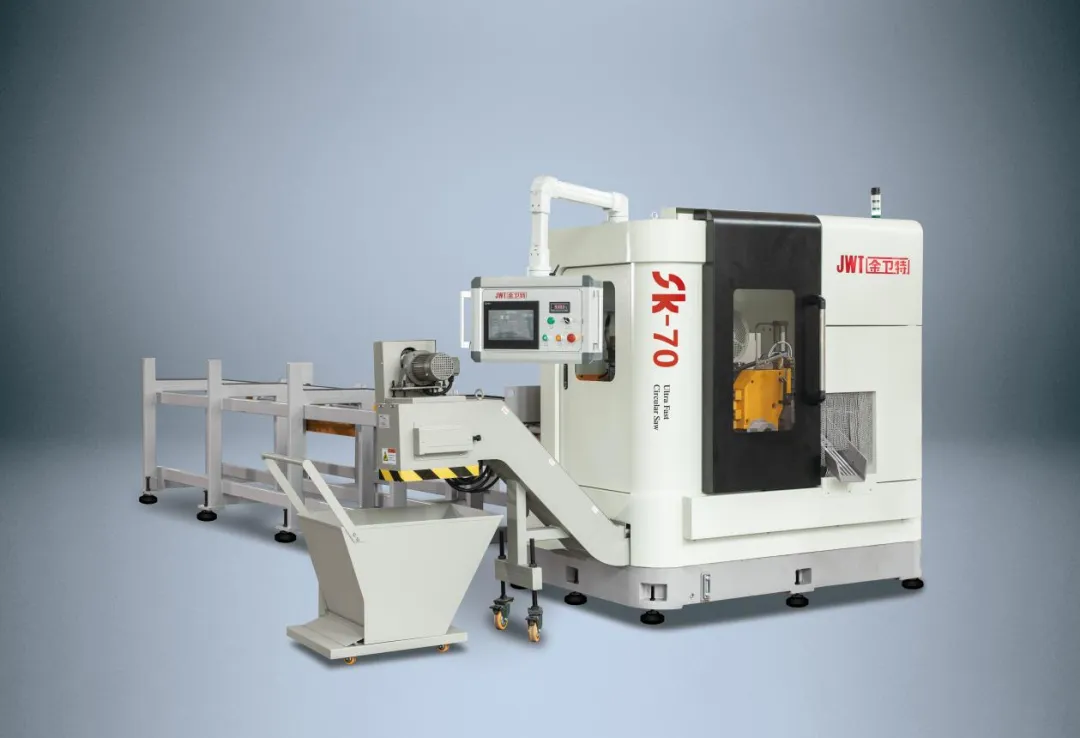
An automated saw is a cutting machine designed to perform precise and repeatable cutting operations with minimal manual intervention. Unlike traditional saws, an automatic cutting saw uses programmed controls, sensors, and feeding systems to manage material positioning, cutting speed, and blade movement. These systems are commonly integrated with CNC (Computer Numerical Control) or PLC (Programmable Logic Controller) technology to ensure consistent results in industrial environments.
In most cases, the automated saw machine includes a material feeding system, a clamping mechanism, and a cutting unit. Once the parameters are set, the machine can process multiple workpieces continuously, improving efficiency and reducing human error.
Common Types of Automated Saw Machines
There are several types of automated saw systems available, each designed for specific materials and applications. Understanding these types helps you select the right solution for your production needs.
- Automated Band Saw – Ideal for cutting metal bars, pipes, and structural materials with high efficiency.
- Automatic Circular Saw – Commonly used for high-speed cutting of aluminum, steel, and plastic profiles.
- CNC Automated Saw – Offers precise control and is suitable for complex cutting patterns and batch production.
- Fully Automatic Sawing Machine – Designed for mass production with minimal operator involvement.
- Automatic Wood Cutting Saw – Specialized for woodworking applications such as panels and boards.
Key Benefits of Using an Automated Saw
Switching to an automated saw system brings significant advantages in terms of productivity, precision, and safety. These benefits make it a preferred choice in modern manufacturing.
- Improved Accuracy – Consistent cutting dimensions reduce material waste and rework.
- Higher Efficiency – Continuous operation speeds up production cycles.
- Reduced Labor Costs – Less manual intervention is required.
- Enhanced Safety – Automated systems minimize direct contact with cutting tools.
- Better Material Utilization – Optimized cutting patterns reduce scrap.
Key Technical Parameters to Consider
When selecting an automated saw machine, evaluating its technical specifications is crucial to ensure it meets your production requirements.
| Parameter | Description |
| Cutting Capacity | Maximum size of material that can be processed |
| Blade Speed | Adjustable speed for different materials |
| Automation Level | Semi-automatic or fully automatic operation |
| Feeding System | Automatic material feeding for continuous cutting |
| Control System | CNC or PLC-based control interface |
How to Choose the Right Automated Saw
Choosing the right automated saw depends on your specific production environment and material requirements. A well-matched machine can significantly improve operational efficiency.
- Material Type – Metal, wood, or plastic determines the type of saw needed.
- Production Volume – High-volume production requires a fully automatic saw system.
- Precision Requirements – CNC automated saws are ideal for tight tolerances.
- Budget – Balance initial investment with long-term productivity gains.
- Available Space – Consider machine size and installation requirements.
Best Practices for Operating an Automated Saw
Proper operation of an automated cutting saw ensures safety, efficiency, and long equipment life. Even though the process is automated, following best practices is essential.
- Regularly inspect blades for wear and replace them when necessary.
- Ensure proper calibration of the feeding and clamping systems.
- Keep the machine clean to prevent debris buildup.
- Monitor cutting parameters and adjust based on material performance.
- Train operators on system controls and emergency procedures.
Maintenance Tips for Long-Term Performance
Routine maintenance is key to keeping your automated saw machine running smoothly and avoiding unexpected downtime.
- Lubricate moving parts to reduce friction and wear.
- Check electrical components and control systems regularly.
- Inspect hydraulic or pneumatic systems for leaks.
- Schedule periodic professional servicing.
- Maintain proper documentation of maintenance activities.
Conclusion
An automated saw is an essential tool for modern manufacturing, offering precision, efficiency, and reliability. By understanding the different types of automated saw machines, evaluating key parameters, and following proper operation and maintenance practices, businesses can significantly improve their cutting processes and overall productivity.
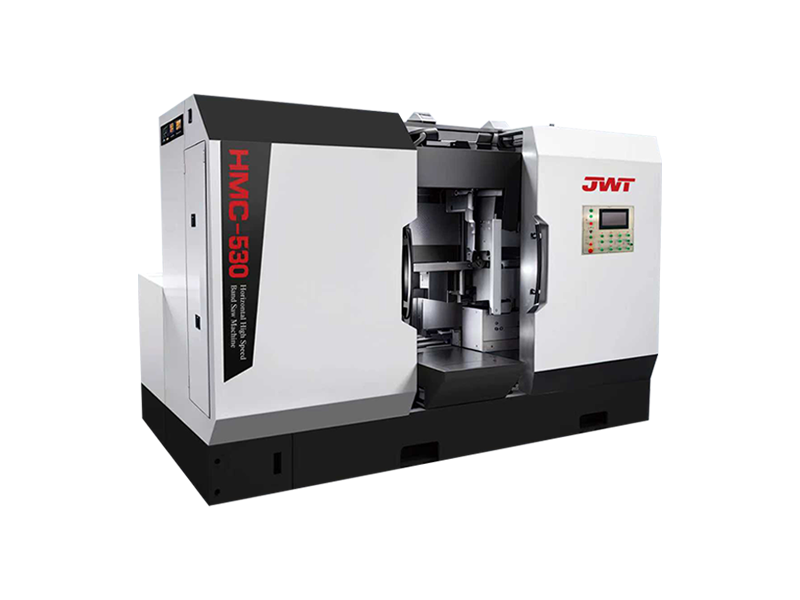
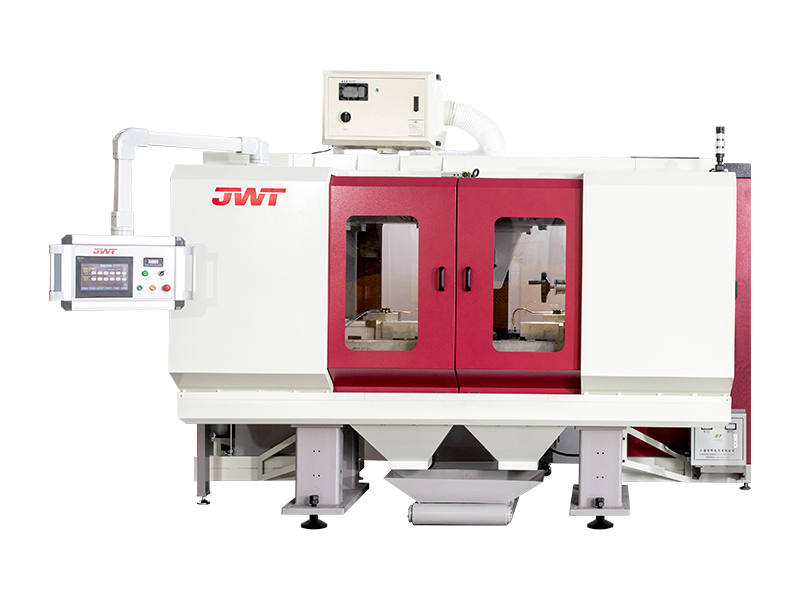
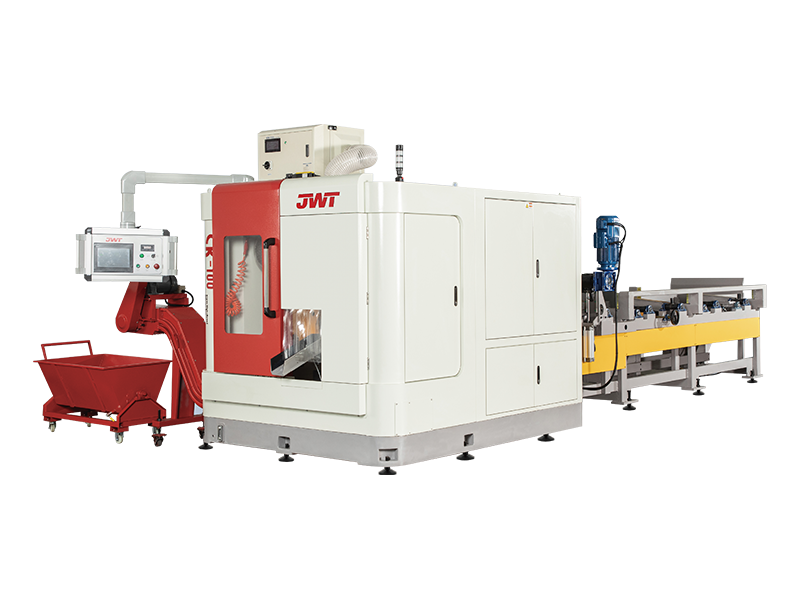
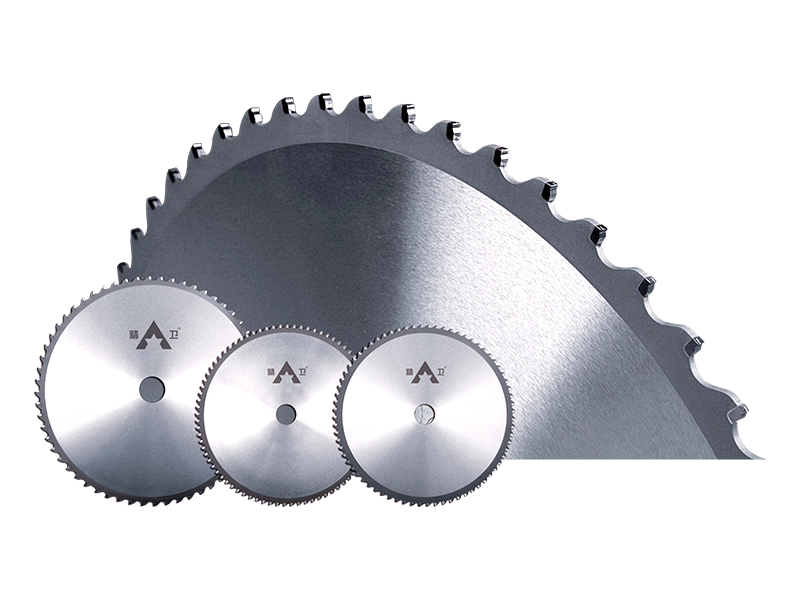
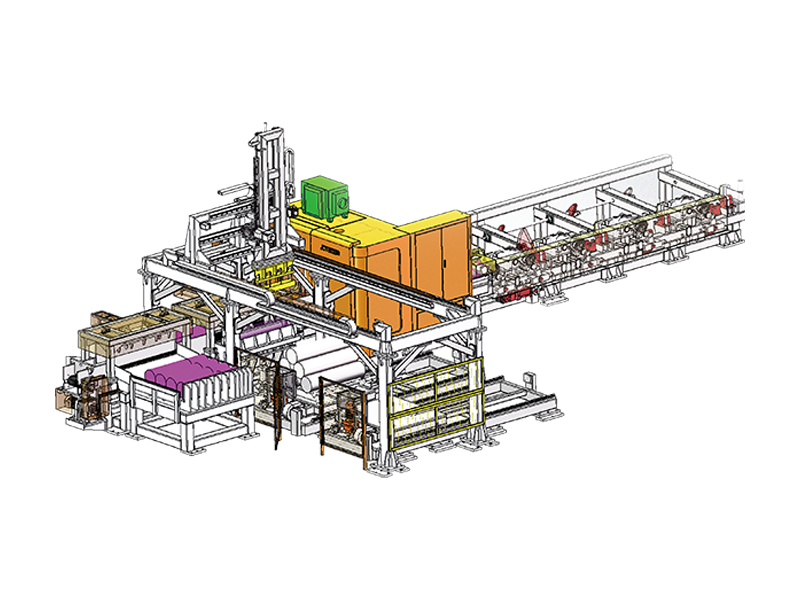
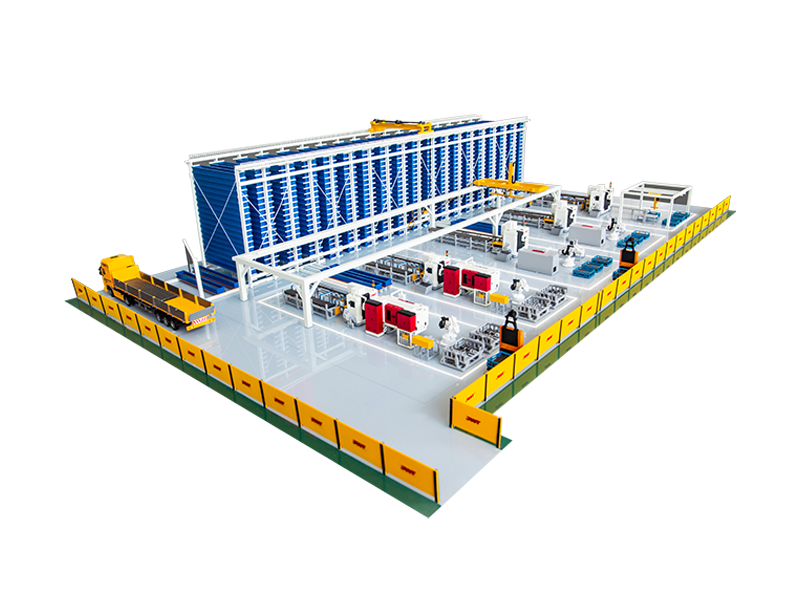
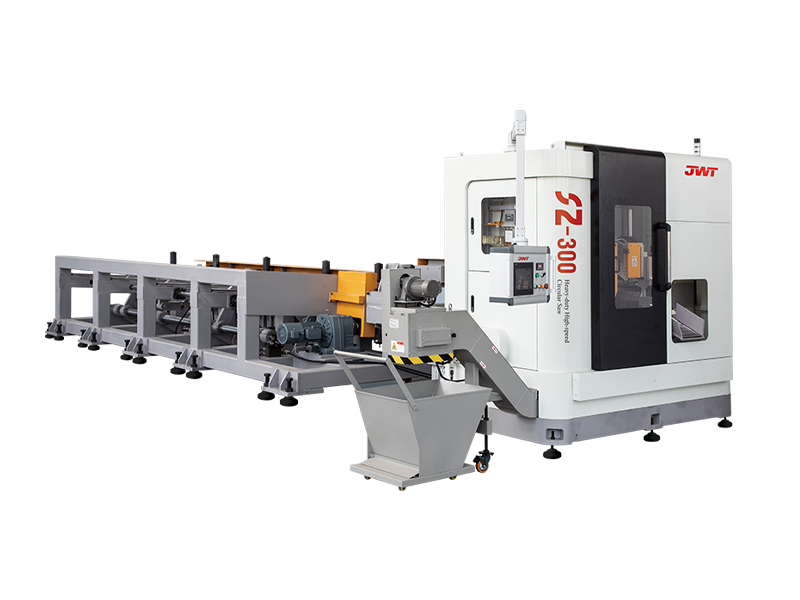
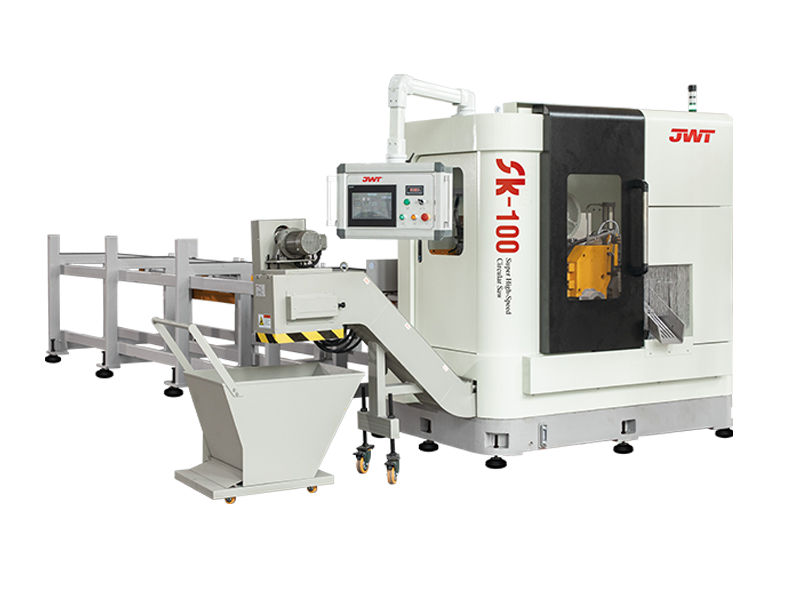

If you are interested in our Circular Saw Machine or production line, please consult us
CONTACT DETAILS
Zhejiang Jingweite Machine Tool Co.,Ltd.
- No.661 Jiyi Road, Wanghai Hi-tech Industrial Park, Haiyan, Jiaxing City, Zhejiang Province
- TEL:+86-0573-86035661
- E-Mail: [email protected]
Products
Quick link
Mobile terminal
