

 中文简体
中文简体 русский
Circular Saw Machine: Types, Uses, Blades, and How to Pick the Right One
 2026.03.11
 Industry News
Content
- 1 What Is a Circular Saw Machine and How Does It Work?
- 2 Main Types of Circular Saw Machines
- 3 Circular Saw Machine Types at a Glance
- 4 Circular Saw Blades: Choosing the Right Blade for the Job
- 5 Key Specifications to Understand Before Buying a Circular Saw Machine
- 6 Common Applications Across Industries
- 7 Safety Essentials for Operating a Circular Saw Machine
- 8 What to Look for When Buying a Circular Saw Machine
What Is a Circular Saw Machine and How Does It Work?
A circular saw machine is a power tool or industrial machine that uses a toothed, abrasive, or diamond-tipped disc rotating at high speed to cut through a wide range of materials — including wood, metal, masonry, plastic, and composite materials. The cutting action is produced by the teeth or abrasive particles on the outer edge of the spinning blade, which each take a small chip of material with every pass. Unlike a reciprocating saw that cuts on the push and pull stroke, a circular saw cuts continuously in one rotational direction, which makes it faster, smoother, and more efficient for straight cuts in thick or dense materials.
The core components of any circular saw machine are the motor, the arbor (the spindle the blade is mounted on), the blade guard, the depth and bevel adjustment mechanism, and the base or table that guides the workpiece or the tool through the cut. In handheld circular saws, the motor drives the arbor directly or through a geared transmission, and the operator moves the saw along the material. In stationary circular saw machines — such as table saws, miter saws, and cold saws — the workpiece is moved into the blade, which is mounted in a fixed or pivoting frame.
Circular saw machines are among the most widely used cutting tools across woodworking, metalworking, construction, and manufacturing. Their versatility — driven by the ability to swap blades for different materials and cut types — makes them a first-choice machine in workshops and on job sites worldwide.
Main Types of Circular Saw Machines
The term "circular saw machine" covers a surprisingly wide family of tools. Choosing the right type depends on your material, required cut quality, volume of work, and whether you need portability or stationary precision. Here are the main categories:
Handheld Circular Saw
The handheld circular saw is the most common type encountered on construction sites and in general carpentry. It consists of a motor unit with a blade mounted on the underside, a base plate (shoe) that rests on the workpiece surface, and a retractable blade guard. The operator guides the saw along a marked line or a straightedge guide. Handheld circular saws are available in corded and cordless (battery-powered) versions, with blade diameters typically ranging from 140mm to 235mm. They are primarily used for ripping and crosscutting lumber, sheet goods (plywood, OSB, MDF), and composite decking. Blade depth is adjustable to match material thickness, and most models offer a bevel adjustment for angled cuts. Their portability makes them indispensable for site carpentry, framing, and renovation work where a stationary machine cannot be used.
Table Saw (Bench Circular Saw)
A table saw is a stationary circular saw machine where the blade protrudes upward through a slot in a flat work table. The workpiece is fed horizontally across the table and into the spinning blade. Table saws are the workhorse of woodworking shops — they deliver straight, accurate rip cuts with a quality and repeatability that no handheld tool can match. A fence (rip fence) is clamped parallel to the blade at the desired cut width, guiding the workpiece for consistent ripping. A miter gauge guides crosscuts at 90° or any required angle. Table saws range from compact benchtop models for small workshops to heavy-duty cabinet saws with cast iron tables and high-powered motors for production cabinet making and furniture manufacturing. Dado blade sets — pairs of chippers and blades used together — can be installed on most table saws to cut grooves, dadoes, and rabbets in a single pass.
Miter Saw (Chop Saw)
A miter saw — also called a drop saw or chop saw — is a stationary circular saw machine where the blade is mounted on an arm that pivots downward onto the workpiece. The workpiece sits on a fixed table and is held against a fence; the blade is pulled down through the cut and then raised. Standard miter saws cut at 90° to the workpiece; compound miter saws can pivot both horizontally (miter angle) and tilt the blade axially (bevel angle) to make compound angle cuts in a single pass. Sliding compound miter saws add a sliding arm that extends the crosscut capacity to handle wide boards and sheet material. Miter saws are used extensively in trim carpentry, flooring installation, and framing for accurate, repeatable crosscuts, miters, and compound angle cuts.
Cold Saw (Metal Circular Saw)
A cold saw is a specialized circular saw machine designed for cutting metal — steel, stainless steel, aluminum, copper, and brass — using a toothed HSS (high-speed steel) or tungsten carbide-tipped blade that rotates at low RPM. The name "cold saw" refers to the fact that the slow blade speed and tooth geometry transfer heat into the chips that are carried away with them, keeping both the blade and the workpiece cool during cutting. This produces clean, burr-free cuts without the sparks, heat distortion, or rough cut quality associated with abrasive angle grinder cutting. Cold saws are standard equipment in metal fabrication shops, structural steel workshops, and tube and profile processing operations. They produce cuts accurate enough that no secondary deburring or grinding is typically required.
Abrasive Cut-Off Saw
An abrasive cut-off saw uses a thin, bonded abrasive disc (typically aluminum oxide or silicon carbide) spinning at very high RPM to cut through metal, masonry, or tile by abrasive action rather than tooth cutting. These machines generate significant heat and sparks at the cut, which is why they are unsuitable for precision metalwork but effective for rough cutting rebar, angle iron, concrete, brick, and ceramic tile. Abrasive cut-off saws are widely used in construction and demolition because of their low blade cost and ability to cut a wide range of materials. Angle grinders with cut-off discs operate on the same principle at a smaller scale.
Panel Saw and Formatting Saw
Panel saws and horizontal/vertical formatting saws are large-format industrial circular saw machines designed for processing full sheet materials — plywood, MDF, particleboard, solid surface, and aluminum composite panels. In a panel saw, the sheet material is loaded onto a carriage that moves it through the blade under powered or manual feed, with a scoring blade in front of the main blade to prevent tearout on melamine and laminate surfaces. These machines are standard in kitchen cabinet manufacturing, shop-fitting, and architectural millwork operations where consistent, high-quality panel sizing is required at production volume.
Circular Saw Machine Types at a Glance
Here's a quick side-by-side summary to help you identify which type fits your needs:
| Type | Portable? | Primary Material | Cut Quality | Best Use Case |
| Handheld Circular Saw | Yes | Wood, sheet goods | Good | Site carpentry, framing, DIY |
| Table Saw | No | Wood, composites | Excellent | Workshop ripping, furniture making |
| Miter Saw | Semi (heavy) | Wood, light metal | Excellent | Trim, crosscuts, angled cuts |
| Cold Saw | No | Metal (steel, aluminum) | Excellent (burr-free) | Metal fab, tube cutting |
| Abrasive Cut-Off Saw | Semi | Metal, masonry, tile | Moderate | Construction, rough metal cutting |
| Panel / Formatting Saw | No | Sheet goods, panels | Excellent | Cabinet making, industrial sheet sizing |
Circular Saw Blades: Choosing the Right Blade for the Job
The blade is the single most important variable in the performance of any circular saw machine. Using the wrong blade for the material or the cut type produces poor results — rough, chipped edges, excessive heat, fast blade wear, or outright dangerous kickback. Understanding the key blade parameters lets you match the blade to the task correctly every time.
Tooth Count and Geometry
The number of teeth on a circular saw blade directly determines the trade-off between cutting speed and surface finish. Fewer teeth (24–40 teeth on a standard 185mm blade) remove more material per tooth, producing faster cuts with a rougher surface — ideal for framing lumber and rough carpentry where speed matters more than surface quality. More teeth (60–80+) take smaller, more frequent bites, producing a smoother, finer finish suitable for finish carpentry, cabinet work, and panel cutting where tearout and cut quality are critical. Tooth geometry — the shape and angle of each tooth — is equally important: ATB (alternate top bevel) teeth alternate left and right cutting edges for clean crosscuts in wood; flat-top (FT) teeth are aggressive rippers; TCG (triple chip grind) alternates a flat tooth with a chamfered tooth for clean cuts in hard materials like laminate and non-ferrous metals.
Blade Diameter and Arbor Size
Circular saw blades are available in a standard range of diameters from 85mm (mini circular saws) through 184–185mm (standard handheld saws) up to 300mm and beyond for table saws, panel saws, and industrial machines. The arbor hole — the central mounting hole — must match the spindle diameter of the saw. Common arbor sizes are 20mm, 25.4mm (1 inch), and 30mm. Always verify both the blade diameter and arbor size compatibility before purchasing a blade for any specific machine, as using the wrong arbor size requires a reducing bushing and may affect concentricity and safe operation.
Blade Material: HSS, TCT, and Abrasive
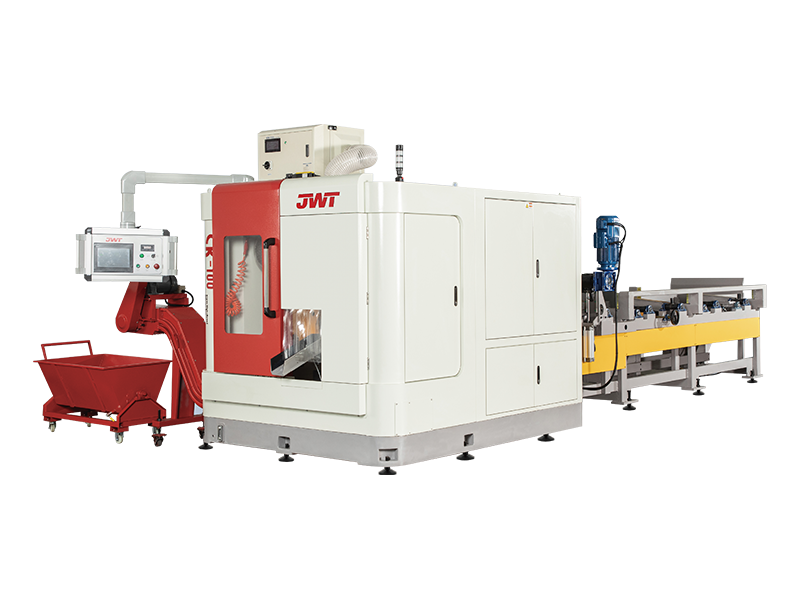
High-speed steel (HSS) blades are solid steel with the teeth hardened and ground into the blade body. They are used primarily in cold saws for metal cutting and in some woodworking applications, but they dull relatively quickly and must be professionally resharpened. Tungsten carbide-tipped (TCT) blades have small carbide inserts brazed onto the tooth tips. Carbide is vastly harder than steel, so TCT blades stay sharp far longer and can cut harder materials — including hardwood, laminates, fiber cement, and non-ferrous metals — that would quickly blunt an HSS blade. TCT blades are the standard for nearly all woodworking and construction circular saw applications today. Abrasive blades — thin bonded grinding discs — are used in abrasive cut-off saws for metal and masonry and are replaced rather than resharpened.
Key Specifications to Understand Before Buying a Circular Saw Machine
Whether you're buying a handheld saw for site work or a stationary circular saw machine for a workshop, the following specifications directly determine performance, compatibility, and suitability for your application:
- Motor power (watts or amps): Higher motor power means the saw can maintain blade speed under load in dense or thick materials without bogging down. For handheld saws, 1,200–1,800W is the typical range for professional-grade tools. Table saws for cabinet work need at least 1,500W; industrial panel saws typically run 3kW or more. For battery-powered circular saws, look at watt-hours (Wh) of the battery and the brushless motor rating rather than just voltage alone.
- No-load RPM: The no-load speed — the blade speed in revolutions per minute with no material being cut — is a key specification that affects cutting speed and the types of materials and blades the saw is compatible with. Woodcutting circular saws typically run at 4,500–5,500 RPM. Cold saws for metal run at much lower speeds — often 25–100 RPM — to prevent overheating. Always check that your intended blade is rated for the RPM of the saw: using a blade rated for 3,000 RPM in a saw running at 5,500 RPM is a serious safety hazard.
- Maximum cutting depth: This is the maximum thickness of material the saw can cut at 90°. For handheld saws, typical cutting depth ranges from 50mm to 70mm at 90°, reducing further at bevel angles. Ensure the saw's cutting depth covers the thickest material you'll regularly need to cut, with some margin — consistently cutting at maximum depth strains the motor and blade.
- Bevel capacity: Most handheld and miter saws offer bevel adjustment — tilting the blade from 0° (vertical) to 45° or 48° for angled cuts. Some miter saws offer dual bevel (tilts both left and right) without needing to flip the workpiece, which saves time on compound molding and trim work. Confirm the bevel range and detent positions (preset stops at common angles like 22.5° and 45°) for the type of work you do.
- Blade diameter and arbor: Confirm that the saw accepts the blade diameter you need and that blades in that size and with the required tooth count and material rating are readily available from multiple suppliers. Proprietary blade sizes can limit your options and increase ongoing operating costs.
- Electronic features: Many professional circular saw machines include electronic speed control (maintains constant blade speed under varying load), soft start (gradual acceleration to prevent startup jolt), and overload protection. These features extend motor life, improve cut consistency, and are worth the premium in high-use professional environments.
Common Applications Across Industries
Circular saw machines are used across virtually every industry that involves cutting solid materials. Here is a breakdown of the most important application sectors and the specific machine types they rely on:
- Construction and framing: Handheld circular saws are the primary tool for cutting dimensional lumber, plywood, and OSB on building sites. Miter saws are used for cutting rafters, studs, and trim to length. Abrasive cut-off saws are used to cut rebar, angle iron, and pipe.
- Woodworking and cabinet making: Table saws and panel saws are the central machines in cabinet shops. Miter saws handle crosscutting and angle cuts on stiles, rails, and moldings. Handheld circular saws with guide rails (track saws) are used for site and on-floor panel breakdown.
- Metal fabrication: Cold circular saws are used for cutting structural steel, tube, and bar stock to precise lengths. Abrasive cut-off saws handle rough cutting of steel plate and angle. Metal-cutting circular saws with TCT blades are increasingly used for aluminum extrusion and non-ferrous profile cutting.
- Flooring and tiling: Handheld circular saws and miter saws with appropriate blades are used for cutting hardwood, engineered flooring, and LVP. Angle grinders and small circular saws with diamond blades cut ceramic, porcelain, and natural stone tiles.
- Plastics and composites: Fine-tooth TCT circular saw blades are used on both handheld and stationary circular saws to cut acrylic, polycarbonate, PVC, and composite panel materials. Slow feed rates and high tooth counts minimize chipping and melting at the cut edge.
- Demolition and renovation: Reciprocating saws often share this space, but circular saws with demo blades are used for cutting through wall sheathing, roofing, and composite materials where a fast, straight cut is needed in renovation and fit-out work.
Safety Essentials for Operating a Circular Saw Machine
Circular saw machines are among the most useful — and most dangerous — power tools in any workshop or job site. Kickback, blade contact, and flying debris are the primary hazards. These safety practices are non-negotiable for anyone operating a circular saw of any type:
- Always use the blade guard: The retractable blade guard on handheld circular saws and the upper and lower guards on stationary saws exist to prevent accidental blade contact. Never remove or defeat the blade guard for any reason. If the guard is not functioning correctly, stop and fix it before resuming use.
- Understand and prevent kickback: Kickback — the violent, sudden rearward motion of the saw or workpiece — occurs when the blade is pinched or binds in the cut. On handheld saws, the saw can be thrown back toward the operator. Always ensure the workpiece is properly supported so it cannot close on the blade as the cut progresses, and never stand directly behind the saw during cutting.
- Use the right blade for the material: Using a wood blade on metal, or an underpowered blade on thick hardwood, causes the blade to overheat, bind, or shatter. Always match blade specification to material type and thickness, and verify that the blade RPM rating exceeds the saw's operating speed.
- Secure the workpiece: The workpiece must be clamped or held firmly before cutting. On a table saw, use the rip fence or miter gauge — never freehand cut. On a handheld saw, clamp the material to a stable surface so both hands can control the saw.
- Wear appropriate PPE: Safety glasses or a face shield are mandatory — blade contact throws chips, splinters, and sparks. Hearing protection is essential for extended use, as circular saws typically produce 95–105 dB during cutting. Avoid loose clothing, jewelry, or dangling items that could be caught by the blade.
- Inspect the blade before every use: Check for missing, chipped, or cracked teeth. A damaged blade must be replaced immediately — a failing tooth can cause catastrophic blade failure at operating speed.
What to Look for When Buying a Circular Saw Machine
With so many circular saw types and brands on the market, narrowing down the right purchase requires thinking through your specific use case rather than defaulting to the most powerful or most expensive option. Here are the most important buying considerations:
- Define your primary use first: A site carpenter needs a portable handheld saw with good dust extraction and a robust base plate. A cabinet maker needs a table saw with a flat table, accurate fence, and sufficient rip capacity. A metal fabricator cutting tube needs a cold saw. Don't buy a compromise tool trying to do everything when a specific machine would do your primary job vastly better.
- Corded vs. cordless: Cordless circular saws have improved enormously and a good 18V or 54V brushless cordless saw delivers performance close to a corded equivalent for most carpentry tasks. Corded saws remain preferable for sustained heavy-duty use — continuous ripping through hardwood or repeated full-depth cuts — where battery runtime and sustained power delivery matter. For site work with frequent position changes, cordless is typically the more practical choice.
- Brand ecosystem and battery platform: If you already own cordless tools from a specific brand, buying a circular saw on the same battery platform saves significant money on batteries and chargers. All major professional brands — Makita, DeWalt, Milwaukee, Bosch, Hikoki — produce capable circular saws on their 18V and 36V/54V platforms.
- Build quality and base plate material: On handheld circular saws, the base plate (shoe) takes a lot of abuse. Magnesium base plates are lighter and stiffer than stamped steel, and they maintain their flatness better over time. A flat, stable base plate is directly linked to cut accuracy.
- Dust extraction compatibility: For workshop use and for compliance with silica dust regulations in construction, dust extraction is increasingly mandatory rather than optional. Check that the saw has an effective dust port compatible with standard vacuum hose diameters, and consider whether a built-in dust bag is provided for use without a vacuum.
- Warranty and service availability: For professional use, choose a brand with local service agents who can repair or replace the tool quickly if it fails on a job. A cheap import circular saw with no local service support is a false economy when a broken tool means a halted project.
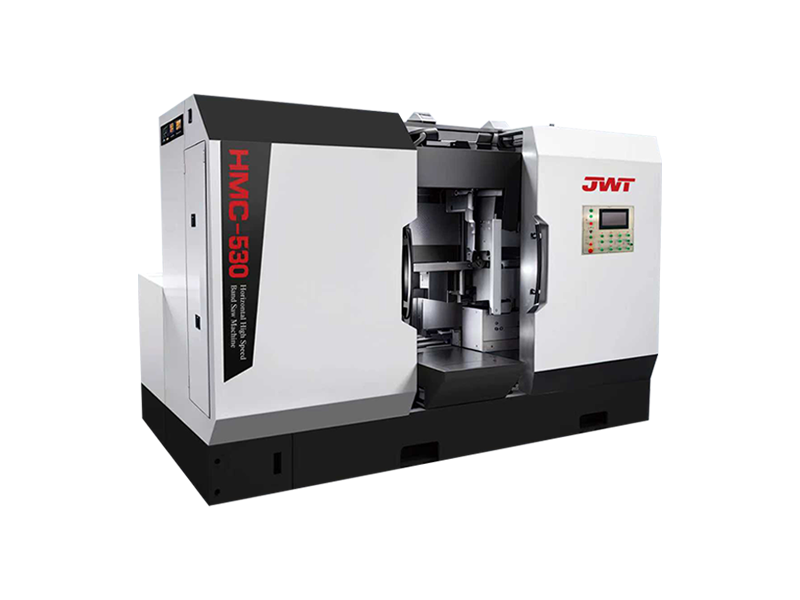
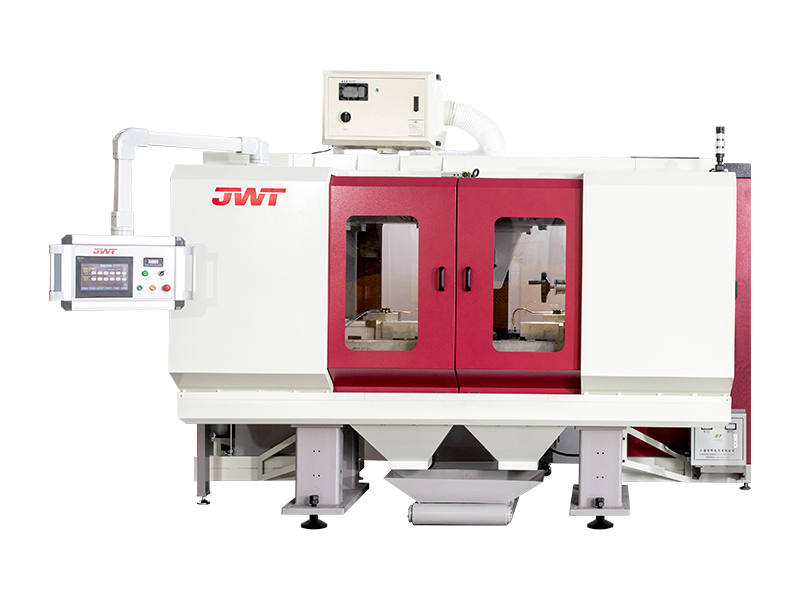

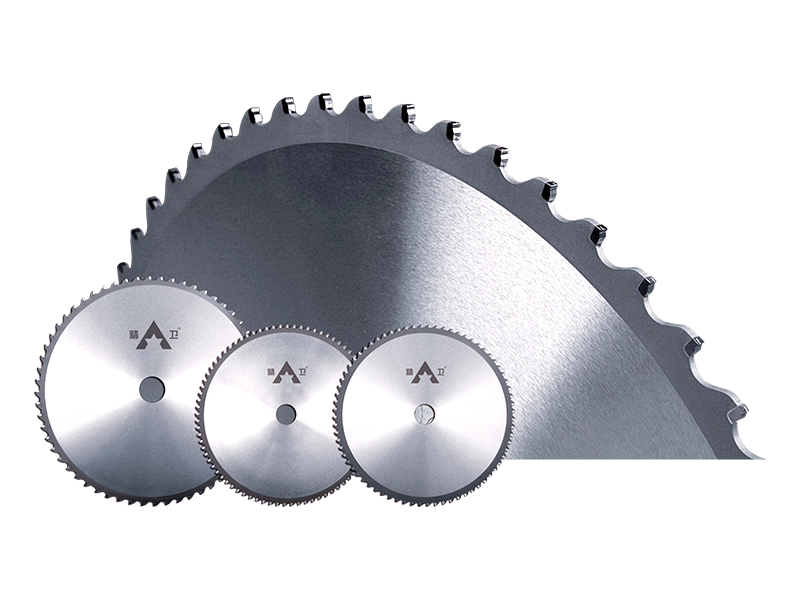
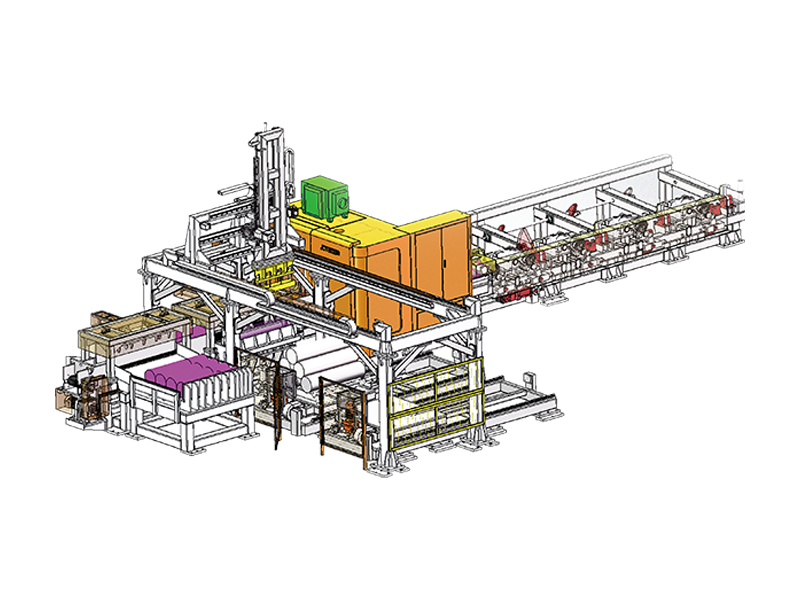
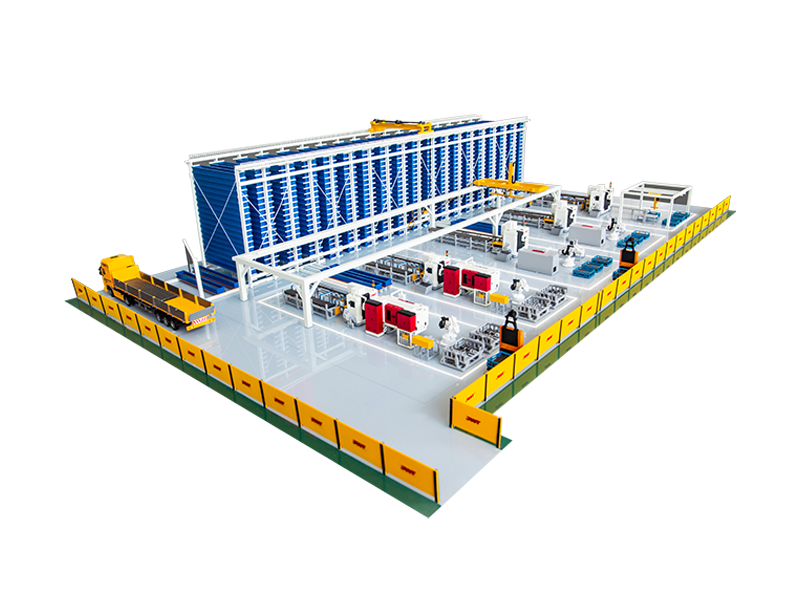
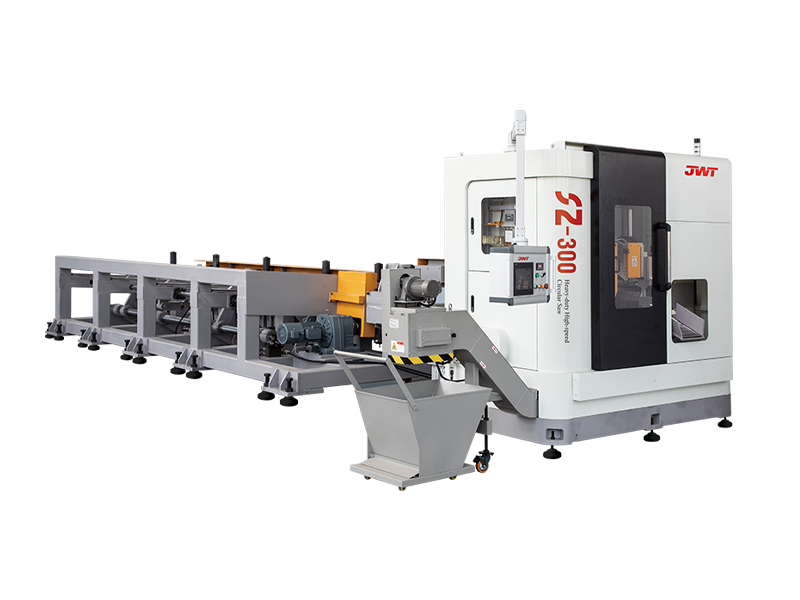
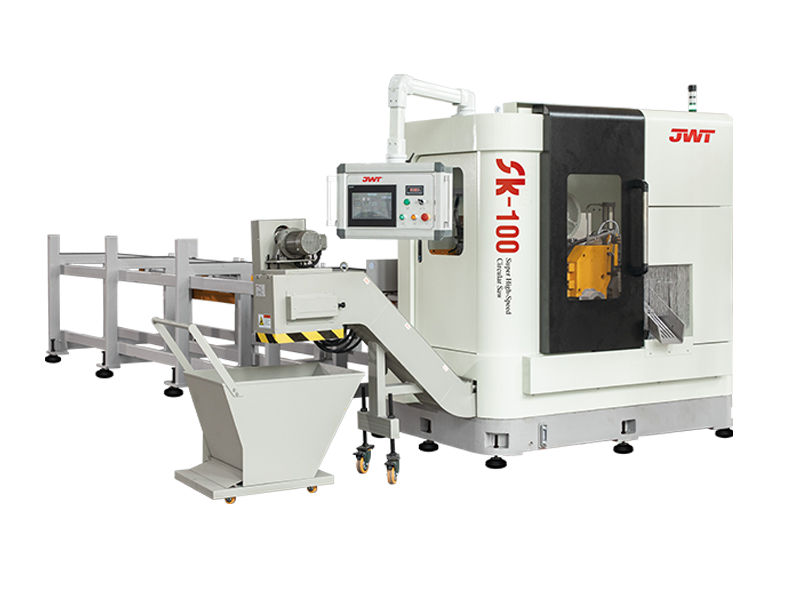

If you are interested in our Circular Saw Machine or production line, please consult us
CONTACT DETAILS
Zhejiang Jingweite Machine Tool Co.,Ltd.
- No.661 Jiyi Road, Wanghai Hi-tech Industrial Park, Haiyan, Jiaxing City, Zhejiang Province
- TEL:+86-0573-86035661
- E-Mail: [email protected]
Products
Quick link
Mobile terminal
