

 中文简体
中文简体 русский
Why a Circular Saw Machine is the Must-Have Tool for Your Workshop
 2026.03.04
 Industry News
Content
Understanding the Core Components of a Circular Saw Machine
A circular saw machine is arguably the most versatile power tool in any carpenter’s or metalworker’s arsenal. At its heart, the machine consists of an electric motor that spins a flat, circular blade at high speeds to slice through various materials. Whether you are using a portable handheld model or a stationary industrial circular saw, the primary mechanics remain consistent: a sturdy base plate (or shoe) provides stability, while an adjustable depth lever and bevel scale allow for precise straight and angled cuts. Understanding these parts is the first step toward achieving professional-grade accuracy in your projects.
Modern electric circular saws are engineered with user comfort and efficiency in mind. Features such as ergonomic handles, dust extraction ports, and laser guides have become standard, helping operators maintain a clear line of sight and a cleaner workspace. When selecting a machine, it is vital to consider the motor's amperage and the blade's RPM, as these factors determine how smoothly the saw will glide through dense hardwoods or thick metal sheets without stalling or kickback.
Choosing the Right Blade for Different Materials
The performance of your circular saw machine is only as good as the blade attached to it. Not all blades are created equal; a blade designed for ripping through lumber will produce jagged edges if used on delicate plywood or non-ferrous metals. The "tooth count" is the most critical metric here—generally, blades with fewer, larger teeth are designed for fast, aggressive cuts, while high-tooth-count blades are meant for fine, finished surfaces. For specialized tasks, such as masonry or heavy steel cutting, diamond-tipped or carbide-tipped blades are necessary to withstand the intense heat and friction.
Common Blade Types and Their Uses
- Framing Blades (24T): Best for fast, rough cuts in construction lumber.
- Finish Blades (40T - 60T): Ideal for clean cuts in trim, molding, and furniture-grade wood.
- Abrasive Blades: Specifically designed for cutting through masonry, stone, or tile.
- Cermet-Tipped Blades: Used in industrial metal-cutting circular saws for slicing through steel with minimal sparks.
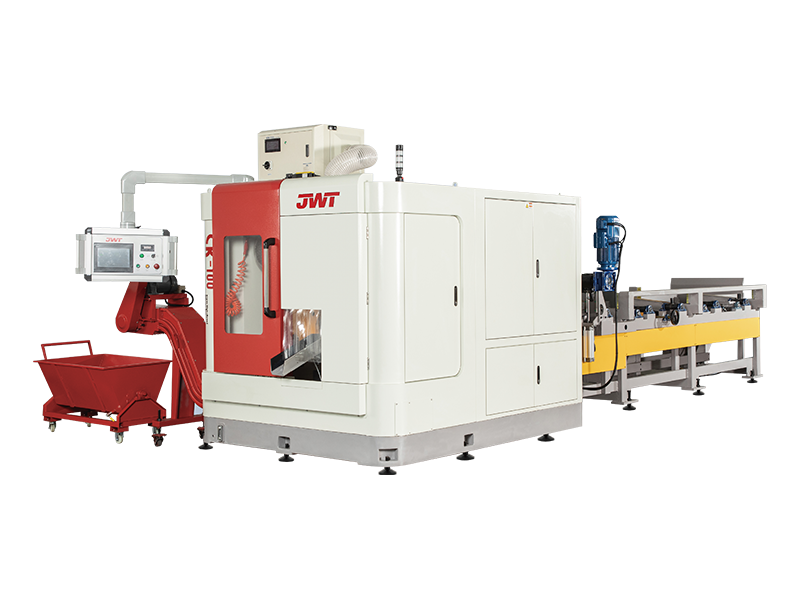
Comparison of Handheld vs. Stationary Circular Saw Machines
Depending on the scale of your work, you may need to choose between a portable handheld saw and a stationary table-mounted machine. Handheld circular saws offer unmatched mobility, making them perfect for job sites where you need to bring the tool to the material. Stationary machines, often found in industrial workshops, offer higher precision for repetitive cuts and can handle much larger workpieces with the help of sliding fences and miter gauges.
| Feature | Handheld Circular Saw | Stationary Saw Machine |
| Portability | Excellent | Low |
| Cutting Precision | Moderate (User Dependent) | Very High |
| Material Capacity | Standard Sheets/Studs | Large Industrial Stock |
| Primary Application | Construction & DIY | Manufacturing & Cabinetry |
Essential Safety Protocols for Saw Operation
Operating a circular saw machine requires strict adherence to safety rules to prevent accidents. One of the most common hazards is "kickback," which occurs when the blade gets pinched in the wood and the saw is forcefully jerked back toward the operator. To prevent this, always ensure the material is properly supported on both sides and never force the saw through a cut. Additionally, always check that the lower blade guard is retracting and closing freely before starting any work.
Personal protective equipment (PPE) is non-negotiable. Safety glasses protect against flying wood chips or metal shards, and hearing protection is essential for the high-decibel environment of a machine shop. Always disconnect the power source (unplug the cord or remove the battery) before changing the blade or performing maintenance. By respecting the power of the circular saw machine and following these practical steps, you can ensure a productive and injury-free workshop experience.
Maintenance for Long-Term Machine Health
To keep your circular saw machine running like new, regular maintenance is required. Sawdust can build up inside the motor housing and around the blade guard, leading to overheating or jammed parts. Use compressed air to blow out the vents after every major project. Furthermore, inspect the carbon brushes of the motor periodically; if they are worn down, replacing them can prevent motor failure. Finally, keep your blades clean and sharp; a dull blade forces the motor to work harder, shortening the lifespan of your machine and compromising the quality of your cuts.
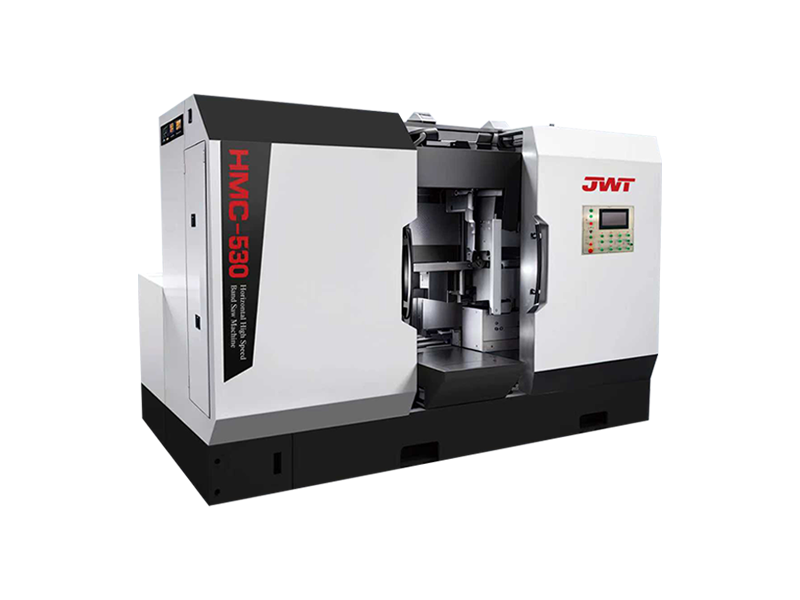
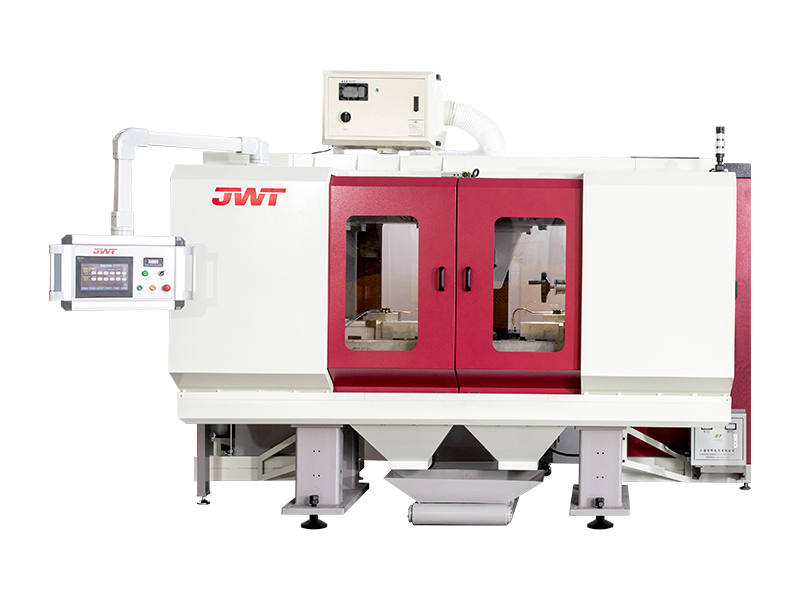

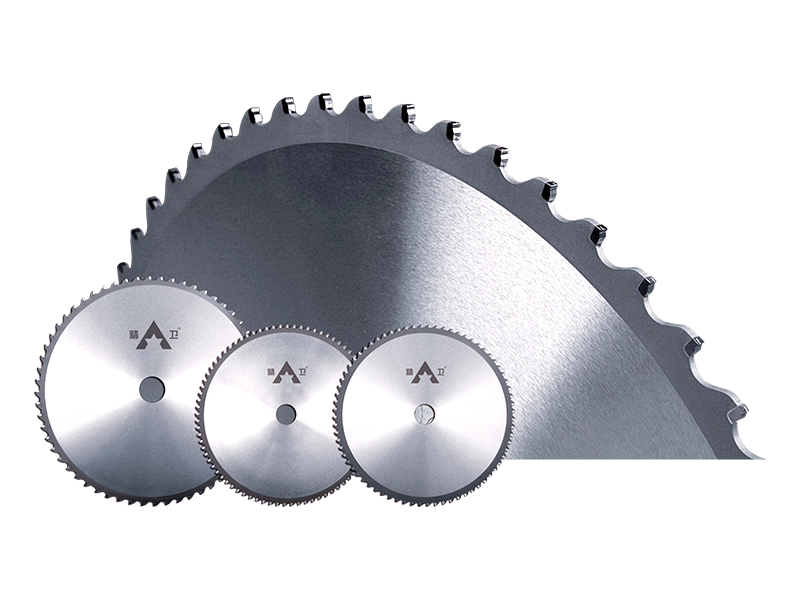

If you are interested in our Circular Saw Machine or production line, please consult us
CONTACT DETAILS
Zhejiang Jingweite Machine Tool Co.,Ltd.
- No.661 Jiyi Road, Wanghai Hi-tech Industrial Park, Haiyan, Jiaxing City, Zhejiang Province
- TEL:+86-0573-86035661
- E-Mail: [email protected]
Products
Quick link
Mobile terminal
