

 中文简体
中文简体 русский
Metal Cutting Circular Saw: How to Choose, Use, and Get Clean Cuts Every Time
 2026.05.13
 Industry News
Content
- 1 Why a Circular Saw Is a Practical Choice for Cutting Metal
- 2 Types of Circular Saws Used for Metal Cutting
- 3 Choosing the Right Metal Cutting Circular Saw Blade
- 4 Blade Speed, Feed Rate, and Why Both Matter
- 5 Safety Essentials for Metal Cutting Circular Saw Work
- 6 Cutting Techniques That Improve Accuracy and Cut Quality
- 7 Maintenance and Blade Care for Long Service Life
Why a Circular Saw Is a Practical Choice for Cutting Metal
Metal cutting is often associated with angle grinders, bandsaws, or dedicated chop saws — but a circular saw configured correctly for metal work is one of the most versatile and underused tools in a fabricator's or tradesperson's kit. With the right blade and appropriate speed settings, a circular saw for metal can deliver straight, repeatable cuts in sheet steel, aluminum, mild steel tubing, and structural profiles with less setup time than a bandsaw and more portability than a fixed chop saw. For contractors and site workers who already carry a circular saw, adding a metal-rated blade turns a tool they already own into a dual-purpose asset.
The key distinction between using a circular saw on wood versus metal is not just the blade — it's the entire approach. Metal cutting generates heat, fine chips rather than dust, and requires slower feed rates and in many cases lower blade speeds than typical woodcutting. Ignoring these differences produces poor cut quality at best and a dangerous kickback situation at worst. Done right, a metal cutting circular saw setup produces burr-free edges, minimal heat discoloration, and cut accuracy that competes with dedicated metal-cutting equipment.
Types of Circular Saws Used for Metal Cutting
Not all circular saws are equally suited to metal work. The type of saw determines the available blade speeds, motor torque characteristics, and how well the tool manages the demands of cutting through ferrous and non-ferrous metals. Understanding the main options helps you decide whether your existing saw is usable or whether a dedicated machine makes more sense.
Standard Worm Drive and Sidewinder Circular Saws
A standard woodcutting circular saw — either a worm drive or inline sidewinder — can be used for metal cutting when fitted with an appropriate metal-rated blade, but with important caveats. Most standard circular saws run at a fixed speed of around 4,500–5,800 RPM, which is too fast for many metal cutting blades, particularly carbide-tipped blades designed for ferrous metals. Running a metal blade faster than its rated speed generates excessive heat, accelerates blade wear, and can cause blade distortion or failure. If using a standard circular saw for occasional light metal work — thin sheet aluminum, thin-wall conduit, aluminum extrusions — a cermet or carbide blade rated for the saw's RPM range can work acceptably. For regular or heavy metal cutting, a purpose-built machine is the better investment.
Cold Cut Circular Saws
Cold cut circular saws — sometimes called cold saws in their bench-mounted form — are purpose-built metal cutting circular saws that operate at significantly lower RPM than woodcutting saws, typically between 1,000 and 3,500 RPM depending on the blade diameter and target material. The reduced blade speed is the defining feature: cutting metal at low speed generates far less heat, which is why these tools are described as "cold cut." The workpiece stays cool enough to handle immediately after cutting, the cut edge requires minimal deburring, and blade life is substantially longer than abrasive disc methods. Handheld cold cut circular saws are available for site use, while bench-mounted cold saw machines offer higher precision for workshop applications.
Abrasive Chop Saws vs. Circular Saws for Metal
Traditional abrasive metal chop saws use a bonded abrasive disc spinning at high speed to grind through metal rather than cut it. They are inexpensive and can cut through hard materials a toothed blade would struggle with, but they generate significant heat, produce a shower of sparks, leave a rough oxidized cut face, and consume the disc rapidly. A metal cutting circular saw with a toothed blade produces a fundamentally different result: a cleaner cut face, no significant spark generation, cooler workpiece temperature, and a cut edge that often requires no secondary finishing. For any application where cut quality and material integrity matter — structural steel fabrication, HVAC ductwork, aluminum framing — a toothed circular saw for metal outperforms an abrasive chop saw on every meaningful metric except initial purchase price.
Choosing the Right Metal Cutting Circular Saw Blade
The blade is the most critical variable in any metal cutting circular saw setup. Using the wrong blade for the material or the saw speed is the root cause of most cut quality problems, excessive heat, and premature blade wear. Metal cutting blades are not interchangeable across all metal types, and the differences matter in practice.
Carbide-Tipped Blades for Ferrous Metals
Carbide-tipped circular saw blades for ferrous metal cutting — mild steel, stainless steel, structural steel — are designed with a low tooth count, a specific tooth geometry optimized for metal chip formation, and a blade body engineered to handle the heat and vibration of steel cutting. Tooth counts are typically much lower than woodcutting blades: a 355mm (14-inch) metal cutting blade might carry 60–90 teeth compared to 100+ on a fine woodworking blade. The negative or neutral rake angle on metal cutting teeth is intentional — it reduces the tendency for the blade to grab and controls the cut more aggressively than the positive rake used in wood blades. These blades must be matched to the saw's RPM rating; always check the blade's maximum RPM against the saw's no-load speed before use.
Cermet and TCT Blades for Non-Ferrous Metals
Non-ferrous metals — aluminum, copper, brass, and softer alloys — require a different blade approach than ferrous cutting. Cermet-tipped blades (ceramic-metal composite) and high tooth count TCT (tungsten carbide tipped) blades work well for aluminum and similar materials. Aluminum cutting blades typically feature a higher tooth count than steel blades, a triple-chip grind tooth profile, and in some cases a specialized anti-stick coating to prevent aluminum from welding itself to the blade teeth — a phenomenon called built-up edge that dulls blades rapidly and degrades cut quality. For aluminum specifically, a blade with 80–100 teeth on a 250mm (10-inch) diameter is a common starting point, with cutting fluid or paste wax applied to the blade reducing heat and preventing material adhesion.
Blade Selection by Material
| Material | Blade Type | Tooth Count (typical) | Recommended RPM Range |
| Mild Steel | Carbide-tipped (TCT) | 60–90 | 1,200–2,500 RPM |
| Stainless Steel | Fine-tooth TCT | 80–100 | 1,000–1,800 RPM |
| Aluminum | Cermet or high-tooth TCT | 80–100 | 2,500–4,500 RPM |
| Copper / Brass | Non-ferrous TCT | 80–100 | 2,000–3,500 RPM |
| Thin Sheet Metal | Fine-tooth TCT or cermet | 100+ | 2,500–4,000 RPM |
Blade Speed, Feed Rate, and Why Both Matter
Two variables control cut quality and blade life in metal circular saw work: blade peripheral speed (determined by RPM and blade diameter) and feed rate (how fast you push the blade through the material). Getting both right is what separates clean, burr-free cuts from overheated, rough-edged ones that burn through blades prematurely.
Peripheral speed — the speed of the blade teeth at the outer edge — is what actually determines how the teeth interact with the metal. A large-diameter blade at low RPM can have the same peripheral speed as a small blade at high RPM. Most metal cutting blade manufacturers specify a maximum peripheral speed in meters per second (m/s) rather than RPM, because the same RPM limit means different things for different blade sizes. For steel cutting, a peripheral speed of 25–50 m/s is a typical working range; aluminum can tolerate higher speeds up to 80 m/s or more depending on alloy.
Feed rate is the variable most operators get wrong. Feeding too fast overloads the teeth, causes chip packing, generates excess heat, and risks blade binding or kickback. Feeding too slowly causes rubbing rather than cutting, which also generates heat and glazes the blade. The correct feed rate produces a consistent chip — visible as small, curled metal shavings — and a smooth cutting sound without screaming or chattering. Let the blade do the work; apply steady, moderate forward pressure and adjust based on what the blade is telling you through sound and feel.
Safety Essentials for Metal Cutting Circular Saw Work
Metal cutting with a circular saw carries specific hazards that differ from woodworking. Metal chips — unlike wood sawdust — are sharp, hard, and can travel considerable distance from the cut. Heat buildup is a burn risk both from the workpiece and from the blade itself. Blade binding and kickback in metal cutting can be more violent than in wood due to the higher forces involved. Taking these risks seriously before starting is not optional.
Personal Protective Equipment
- Eye protection: Safety glasses alone are insufficient for metal cutting — use a full face shield or impact-rated goggles rated for flying metal chips, not just dust
- Hearing protection: Metal cutting circular saws are significantly louder than woodcutting — earplugs or ear defenders rated to at least 25dB SNR for extended use
- Cut-resistant gloves: Protect against the sharp edges of freshly cut metal and hot chips — leather or cut-resistant synthetic gloves rated for metal handling
- Long sleeves and no loose clothing: Metal chips at cutting temperature cause skin burns on contact — cover exposed skin and secure any loose fabric or straps away from the blade path
- Respiratory protection: Fine metal particles — particularly from stainless steel and coated metals — require at minimum an FFP2/N95 respirator; not just a dust mask
Workpiece Securing and Kickback Prevention
Metal workpieces must be clamped securely before cutting — not held by hand, not balanced on a sawhorse without clamping. A shifting workpiece mid-cut is one of the most common causes of blade binding and kickback with a metal cutting circular saw. Use metal-rated clamps or a machinist's vise and confirm the workpiece cannot move in any direction before the blade enters the material. For long cuts in sheet metal, support the full length of the sheet on both sides of the cut line to prevent the kerf from closing and pinching the blade as the cut progresses — this is the primary cause of kickback in sheet metal work.
Always allow the blade to reach full operating speed before entering the material and never force the saw backward through a cut. If the blade binds, release the trigger immediately and wait for the blade to stop completely before attempting to free it. Keep the blade guard functional at all times — bypassing or removing the lower blade guard on a circular saw for metal work is a serious safety violation that removes the primary protection against contact with a spinning blade.
Cutting Techniques That Improve Accuracy and Cut Quality
Even with the right saw and blade, technique determines the final result. These practical approaches make a measurable difference in cut accuracy and edge quality when using a circular saw for metal cutting.
Scoring and Marking the Cut Line
Mark cut lines on metal with a scribe or silver marker rather than a pencil — pencil marks are difficult to see on metal surfaces and rub off easily. For straight cuts in sheet metal, a steel rule clamped to the workpiece as a fence gives the saw's base plate a positive edge to ride against, which produces far straighter cuts than freehand guidance. On structural sections and tubing, wrap masking tape around the cut line before marking — the tape gives the scribe line better contrast, reduces chip scatter slightly, and can help reduce burring at the exit edge of the cut.
Blade Depth Setting
Set the blade depth so the blade teeth extend no more than 5–8mm below the bottom face of the workpiece. A deeper blade projection than necessary increases the amount of blade exposed below the cut, raises kickback risk, and adds nothing to cut performance. For thin sheet metal, minimizing blade projection is especially important — too much depth on thin material causes the sheet to vibrate against the blade body rather than being cleanly cut by the teeth, resulting in a rough, torn edge rather than a clean shear.
Using Cutting Fluid
Cutting fluid — or a simple substitute like paste wax or light machine oil applied to the blade — significantly extends blade life and improves cut quality in ferrous metal cutting. The lubricant reduces friction between the blade body and the kerf walls, helps evacuate chips from the cut zone, and lowers the operating temperature of the blade teeth. For aluminum, a purpose-made aluminum cutting fluid or a blade lubricant stick prevents built-up edge formation on the tooth faces. Apply fluid to the blade before starting the cut and reapply for cuts longer than approximately 300mm in steel or when you notice the cut starting to feel rougher or louder than the initial entry.
Maintenance and Blade Care for Long Service Life
A metal cutting circular saw blade is a significant investment compared to a standard woodcutting blade, and how well you maintain both the blade and the saw determines how long that investment lasts. Basic maintenance habits make a noticeable difference in blade longevity and consistent performance.
- Clean the blade after each session: Metal chips and oxidation residue build up on blade teeth and the blade body, accelerating wear and causing balance issues — a stiff brush and light solvent clean takes under a minute
- Inspect teeth before each use: Look for chipped, cracked, or missing carbide tips — a blade with damaged teeth should not be used and should be sent for professional resharpening or replaced
- Store blades flat or on dedicated blade hangers: Stacking blades or storing them where they can flex causes blade distortion — a blade that is no longer flat will vibrate and cut inaccurately
- Keep the saw's base plate clean and flat: A base plate with metal chip buildup or a slight warp affects cut angle accuracy — clean after every session and check flatness periodically with a straightedge
- Have quality blades resharpened rather than discarded: TCT metal cutting blades can typically be resharpened 3–5 times by a qualified saw doctor before the carbide tips are too short to regrind — resharpening costs a fraction of a new blade
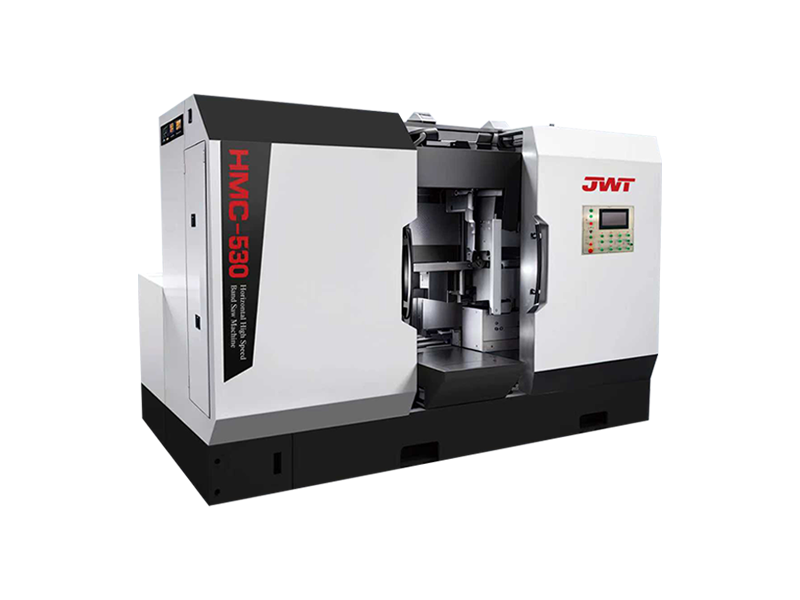
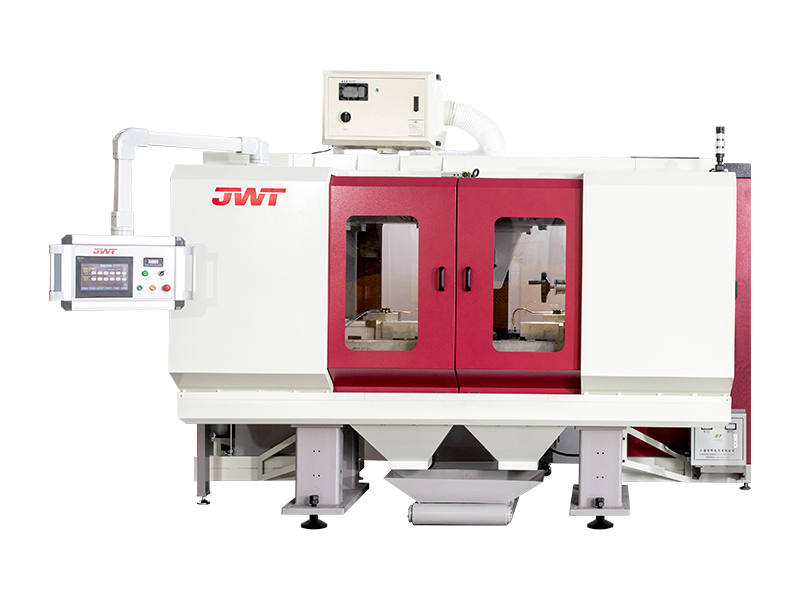
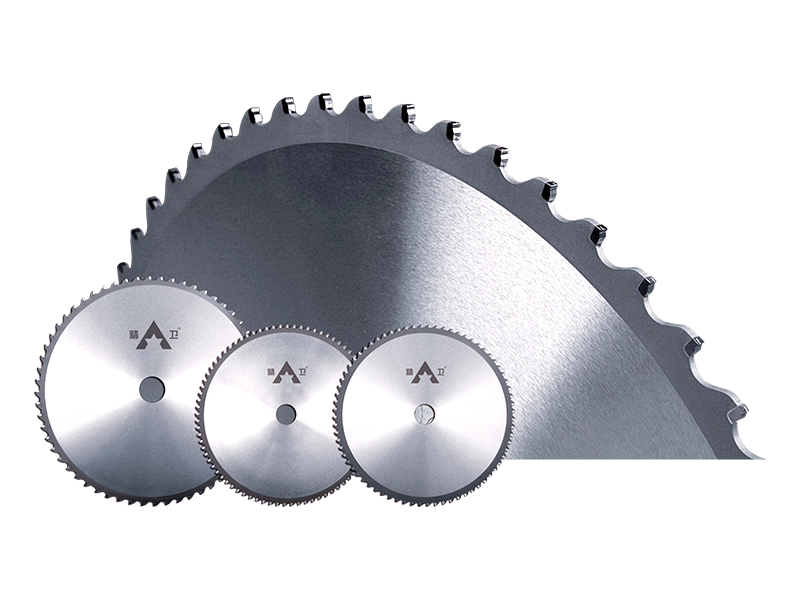

If you are interested in our Circular Saw Machine or production line, please consult us
CONTACT DETAILS
Zhejiang Jingweite Machine Tool Co.,Ltd.
- No.661 Jiyi Road, Wanghai Hi-tech Industrial Park, Haiyan, Jiaxing City, Zhejiang Province
- TEL:+86-0573-86035661
- E-Mail: [email protected]
Products
Quick link
Mobile terminal
