

 中文简体
中文简体 русский
Heavy Duty Saw Machines: How to Choose the Right One for Tough Cutting Jobs
 2026.05.06
 Industry News
Content
- 1 What Sets a Heavy Duty Saw Machine Apart
- 2 Main Types of Heavy Duty Saw Machines and Their Applications
- 3 Motor Power and Drive System Specifications
- 4 Blade and Cutting Element Selection by Material
- 5
- 6 Frame Construction and Machine Rigidity
- 7 Coolant and Chip Management Systems
- 8 Key Specifications to Compare When Buying
- 9 Safety Requirements for Industrial Saw Operation
- 10 Maintenance Practices That Keep Industrial Saws Running
What Sets a Heavy Duty Saw Machine Apart
A heavy duty saw machine is built around a fundamentally different set of priorities than a standard workshop or DIY saw. Where a consumer-grade saw is designed for occasional use, moderate material thicknesses, and manageable cutting forces, a heavy duty cutting machine is engineered to sustain high-volume output, cut through dense or hard materials repeatedly without performance degradation, and maintain dimensional accuracy across thousands of cuts. The differences show up in motor power, frame construction, blade or cutting element specifications, and the thermal management systems that keep the machine running reliably under sustained load.
The term "heavy duty" covers a wide range of industrial saw machines — from large-format band saws used in structural steel fabrication to cold saws for precision metal cutting, from high-powered circular saws used in timber processing to abrasive cutting machines for hardened materials. What they share is a design philosophy centered on durability, cutting depth, and operational reliability in demanding commercial or industrial environments. Understanding which category of heavy duty power saw aligns with your specific application is the starting point for any equipment decision in this space.
Main Types of Heavy Duty Saw Machines and Their Applications
Industrial saw machines are not a single product category — they are a family of distinct machine types, each optimized for different materials, cut profiles, and production contexts. Selecting the wrong type for the job creates productivity problems and accelerated wear that no amount of blade changing or parameter adjustment will fully resolve.
Heavy Duty Band Saw Machines
Band saws use a continuous looped blade running between two or more wheels to deliver a straight or contoured cut through the workpiece. In heavy duty industrial configurations, horizontal band saws are the standard tool for cutting solid metal bar stock, structural sections, pipes, and billets to length. The blade moves through the material under controlled feed force rather than operator pressure, which allows consistent cut quality on large cross-sections that would be impractical to cut manually. Heavy duty band saw machines for metalworking typically feature hydraulic or electromechanical feed systems, coolant delivery directly to the blade-material interface, and blade tension monitoring to maintain consistent cutting geometry throughout the blade's service life.
Cold Saw Machines
Cold saws use a circular toothed blade rotating at relatively low speeds — typically 20 to 100 RPM depending on material — to cut metal without generating the heat associated with abrasive cutting. The name refers to the fact that the cut metal and the blade remain cool during the process, which preserves the material's metallurgical properties at the cut face and produces a clean, burr-free edge that often requires no secondary finishing. Heavy duty cold saw machines are widely used in tube and profile fabrication, structural steel processing, and precision component production where cut face quality and dimensional tolerance matter. They are significantly more expensive than abrasive saws but deliver substantially better cut quality and longer consumable life on ferrous and non-ferrous metals.
Abrasive Cut-Off Machines
Abrasive cutting machines use resin-bonded grinding wheels rotating at high speed to cut through metal, masonry, concrete, or composite materials. They are the most cost-effective entry point into heavy duty metal cutting but generate significant heat, sparks, and particulate at the cut face. The heat-affected zone at the cut edge often requires grinding or secondary finishing before further processing. Heavy duty abrasive cut-off machines are most practical for applications where cut face quality is less critical than throughput speed and material versatility — construction site cutting, demolition preparation, or rough stock sizing before machining operations.
Heavy Duty Circular Saw Machines
Industrial circular saws use large-diameter toothed blades driven by high-power motors to rip or crosscut timber, engineered wood products, plastics, and soft metals at high feed rates. In sawmill and timber processing applications, heavy duty circular saws run continuously for extended shifts and are designed with quick blade-change systems, chip evacuation, and blade guidance systems that maintain cut straightness across long rip cuts in wide boards. In construction and panel processing, panel saws — a type of heavy duty circular saw machine — handle large sheet materials with precision and repeatability that handheld saws cannot match.
Reciprocating and Hack Saw Machines
Power hacksaw machines use a reciprocating blade motion — back and forth rather than continuous — to cut through metal stock. They are an older technology largely superseded by band saws in high-volume production settings, but remain in use for applications requiring low capital investment, simple maintenance, and reliable cutting of medium cross-section steel and non-ferrous materials. Heavy duty power hacksaw machines are robust and straightforward to operate, making them a practical choice for maintenance workshops and small fabrication shops where cutting volume does not justify the investment in a full hydraulic band saw system.
Motor Power and Drive System Specifications
Motor power is the specification most buyers look at first, and while it matters, it needs to be understood in context. Raw motor power in kilowatts or horsepower determines the machine's ability to sustain cutting force through dense or hard materials without stalling, overheating, or forcing the operator to reduce feed rate to unproductive levels. But motor power alone does not tell the full story — the drive system, gear reduction, and torque curve at the cutting element determine how that power is actually delivered to the blade.
For heavy duty band saw machines used in structural steel cutting, motors in the range of 2.2 kW to 7.5 kW are typical for semi-industrial machines, with larger production machines running 11 kW and above. Cold saws for tube and profile cutting typically operate with motors in the 1.5 kW to 4 kW range — less raw power than a band saw because the cutting mechanism is inherently more efficient at the blade-material interface. Abrasive cut-off machines for construction applications commonly use motors from 2.2 kW to 5.5 kW, with the higher end reserved for cutting reinforced concrete, thick-walled pipe, or hard alloy steel.
Three-phase power supply is standard for industrial saw machines above approximately 2.2 kW. If the installation site has only single-phase supply available, this needs to be resolved before purchasing — either by upgrading the electrical supply or by selecting a machine specifically designed for single-phase operation, which typically limits the available motor power range. Variable frequency drives (VFDs) are increasingly standard on premium heavy duty cutting machines, allowing blade or wheel speed to be adjusted to match the material being cut without mechanical gear changes, which extends blade life and improves cut quality across a broader range of materials.
Blade and Cutting Element Selection by Material
The cutting element — whether a band saw blade, cold saw blade, abrasive wheel, or circular saw blade — is the consumable component that most directly determines cut quality, production rate, and operating cost per cut. Selecting the right cutting element for the material being processed is as important as selecting the right machine type.
| Material | Recommended Saw Type | Blade / Cutting Element | Key Specification |
| Mild steel bar and section | Horizontal band saw | Bi-metal band saw blade | 4–6 TPI for solid stock; 6–10 TPI for thin wall |
| Stainless steel | Cold saw or band saw | HSS or carbide-tipped blade | Low feed rate; coolant essential |
| Aluminum and non-ferrous | Cold saw or circular saw | TCT blade with high positive rake | High tooth count; chip clearance critical |
| Hardened steel / tool steel | Abrasive cut-off or carbide band saw | Carbide-tipped band blade or CBN wheel | Reduced feed rate; heat management critical |
| Structural timber and hardwood | Heavy duty circular saw | TCT circular blade | Tooth count matched to timber density |
| Reinforced concrete / masonry | Abrasive or diamond saw | Diamond segmented blade | Wet cutting preferred for blade life and dust |
| Plastic and composite panels | Panel saw or circular saw | Fine-tooth TCT blade | High tooth count minimizes chipping at cut edge |
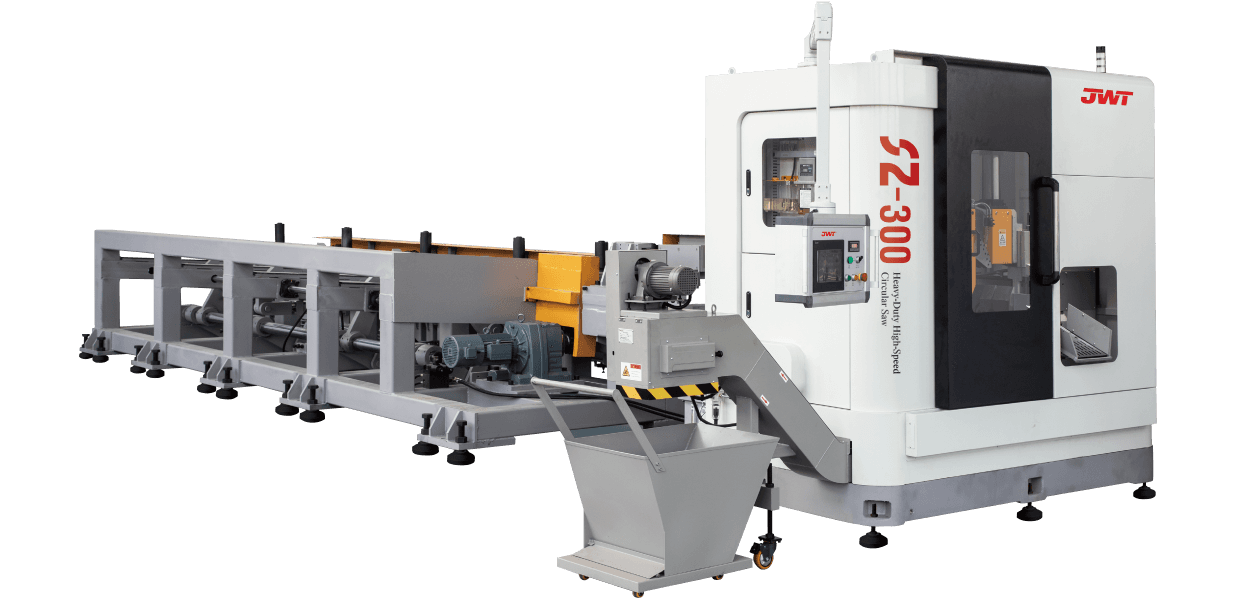
Frame Construction and Machine Rigidity
The structural rigidity of the machine frame is a defining characteristic of a genuinely heavy duty saw machine, and it is an area where the gap between industrial-grade and consumer-grade equipment is most visible. A rigid frame maintains the geometric relationship between the blade guide, the workpiece clamp, and the cutting path under the forces generated during cutting — forces that in heavy industrial applications can be substantial and sustained over long production runs.
Cast iron bases and frames are the benchmark for heavy duty industrial saw machines. Cast iron has high mass, excellent vibration damping, and dimensional stability under thermal cycling — properties that contribute directly to cut accuracy and surface finish quality. Welded steel fabrication is used in many mid-range industrial saws and performs well when the welded structure is properly stress-relieved and adequately braced. Machines with thin-gauge sheet metal frames or light alloy castings will exhibit frame flex under load, which translates into blade deflection, dimensional inaccuracy, and accelerated blade wear over time.
Blade guides and bearing systems deserve equal attention. In heavy duty band saw machines, the blade guide assemblies — which control the blade's lateral position and prevent twist during the cut — need to maintain their adjustment under vibration and cutting force. Carbide blade guides or precision roller guide systems outperform simple carbon guides in sustained production use, maintaining tighter blade control over longer periods between adjustment. Worn or poorly adjusted blade guides are one of the most common causes of wavy or drifting cuts in otherwise capable machines.
Coolant and Chip Management Systems
Coolant delivery is not optional on heavy duty saw machines used for metal cutting — it is a functional requirement that directly affects blade life, cut quality, and machine longevity. Cutting fluid serves multiple purposes simultaneously: it lubricates the blade-material interface to reduce friction and heat generation, flushes chips away from the cutting zone to prevent re-cutting, and carries heat away from the blade and workpiece to prevent thermal damage at the cut face.
Flood coolant systems — where cutting fluid is pumped continuously over the blade and cutting zone and recirculated through a sump tank — are standard on production band saws and cold saws for metalworking. The coolant tank capacity, pump flow rate, and filtration system design determine how long the coolant remains effective before it needs to be changed or replenished. Machines with inadequate filtration allow chip contamination to accumulate in the coolant, reducing its cooling and lubricating effectiveness and eventually causing abrasive damage to the pump and delivery system.
Chip conveyor systems fitted to high-volume industrial cutting machines automatically remove swarf from the cutting area and deliver it to a collection point, reducing the manual cleaning burden and preventing chip accumulation that can interfere with workpiece positioning or jam the feed mechanism. For operations cutting large volumes of metal daily, an integrated chip conveyor is a significant productivity benefit rather than a luxury feature.
Key Specifications to Compare When Buying
When evaluating heavy duty saw machines for purchase, a handful of specifications capture most of what matters for production suitability. Comparing machines on these parameters — rather than price alone — gives a much clearer picture of which option will actually perform in the intended application.
- Cutting capacity: The maximum cross-section the machine can cut in a single pass, typically expressed as round diameter and square section for metal saws, or width and depth of cut for timber saws. Verify that the stated capacity covers the largest workpiece you will regularly cut, with headroom for occasional oversized pieces.
- Blade speed range: For metal cutting, the ability to adjust blade or wheel speed to match the material is important for blade life and cut quality. A machine with a fixed single speed limits material versatility; variable speed or multi-speed drive systems offer broader capability across different materials and cross-sections.
- Feed system type: Manual feed requires the operator to control cutting force throughout the cut; hydraulic or electromechanical automatic feed systems maintain consistent feed rate regardless of operator attention, producing more consistent cut quality and allowing the operator to manage other tasks during the cutting cycle.
- Vise and clamping capacity: The workholding system needs to securely clamp the range of material profiles you cut. Check vise jaw opening capacity, clamping force, and whether the vise design accommodates round, square, and irregular section profiles without adapter tooling.
- Mitre cutting capability: Many heavy duty industrial saws offer the ability to rotate the vice or cutting head to cut at angles other than 90 degrees. Verify the mitre angle range and the accuracy of the angle stop positions if angled cutting is part of your production requirement.
- Machine weight and footprint: Heavier machines are generally more rigid and vibration-resistant, but installation requires adequate floor loading capacity and access for delivery and positioning. Confirm the machine's installed weight and footprint against your available floor space and structural floor loading specification before ordering.
Safety Requirements for Industrial Saw Operation
Heavy duty saw machines generate significant cutting forces, high-speed moving components, and in many cases flying chips, sparks, or fine particulate — all of which present serious injury risk if the machine is operated without appropriate guarding, personal protective equipment, and procedural controls. Safety compliance is not a secondary consideration in industrial saw operation; it is a baseline requirement that affects both personnel safety and legal liability for the operating business.
- Machine guarding: All moving components — blades, wheels, drive belts, and flywheel covers — must be guarded to prevent contact during operation. Verify that the machine meets applicable machinery safety standards (EN ISO 13857 in Europe, OSHA 1910.212 in the US) and that all factory guards are in place and functional before putting the machine into service.
- Emergency stop systems: Industrial saw machines should be equipped with clearly marked and accessible emergency stop controls that bring the blade to a halt and lock out the drive system. Test emergency stop function during commissioning and at regular intervals as part of the machine's maintenance schedule.
- Personal protective equipment: Operators of heavy duty cutting machines require cut-resistant gloves rated for the specific hazard, safety footwear, eye protection (safety glasses as minimum; face shield for abrasive cutting), and hearing protection in environments where noise levels exceed 85 dB(A). For abrasive cutting or operations generating fine dust, respiratory protection appropriate to the particulate generated is also required.
- Workpiece securing: Never attempt to hand-hold a workpiece during cutting on an industrial saw machine. The vise or clamping system must fully secure the material before the cut begins. Unsecured workpieces can be grabbed and ejected by the blade with serious injury consequences.
- Blade inspection and replacement: Establish and follow a defined schedule for inspecting blade condition and replacing worn or damaged cutting elements before they fail in service. A blade that breaks under load on a heavy duty power saw releases significant stored energy — blade containment guarding is designed to manage this, but prevention through timely replacement is the first line of defense.
Maintenance Practices That Keep Industrial Saws Running
A heavy duty saw machine represents a significant capital investment, and the return on that investment depends heavily on how consistently the machine is maintained. The most common causes of premature wear, poor cut quality, and unplanned downtime in industrial saw operations are all preventable with a structured maintenance program.
- Daily cleaning: Remove chip and swarf accumulation from the cutting area, chip tray, coolant sump, and blade guide assemblies at the end of each shift. Chip buildup in guide assemblies causes accelerated blade wear and guide damage; contamination in the coolant sump reduces cooling effectiveness and promotes bacterial growth in water-based cutting fluids.
- Blade tension and tracking checks: On band saw machines, verify blade tension and tracking alignment at the start of each production day. Incorrect tension causes blade fatigue and premature breakage; incorrect tracking causes the blade to contact the wheel flanges, damaging both the blade and the wheel surface.
- Lubrication schedule: Follow the manufacturer's lubrication schedule for all bearings, slideways, feed screws, and pivot points. Under-lubrication causes accelerated wear on precision components; over-lubrication attracts swarf and contaminates surfaces that need to remain clean for accurate workpiece positioning.
- Coolant management: Check coolant concentration, pH, and contamination level weekly in high-volume metalworking operations. Replace coolant when concentration falls outside the recommended range or when bacterial contamination causes odor or visible deterioration. Dispose of spent coolant through an approved waste disposal route in compliance with local environmental regulations.
- Electrical and hydraulic system inspection: Schedule quarterly inspection of electrical connections, cable condition, hydraulic hose integrity, and fluid levels by a qualified engineer. Electrical faults and hydraulic leaks in industrial cutting equipment create both safety hazards and progressive damage to machine components that is expensive to repair if not caught early.
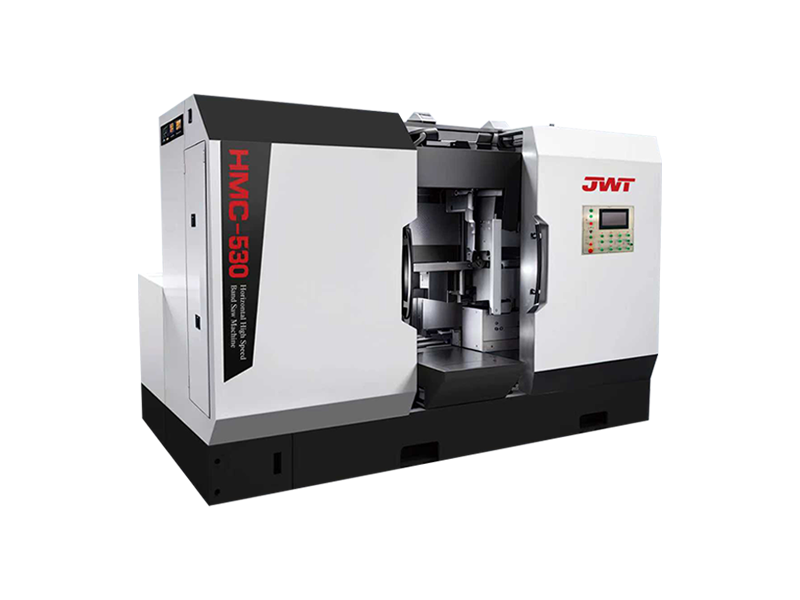
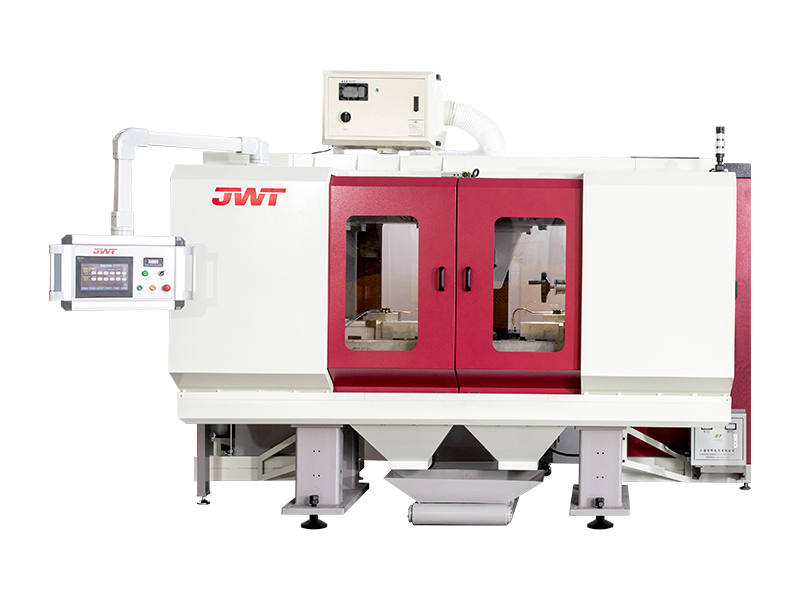
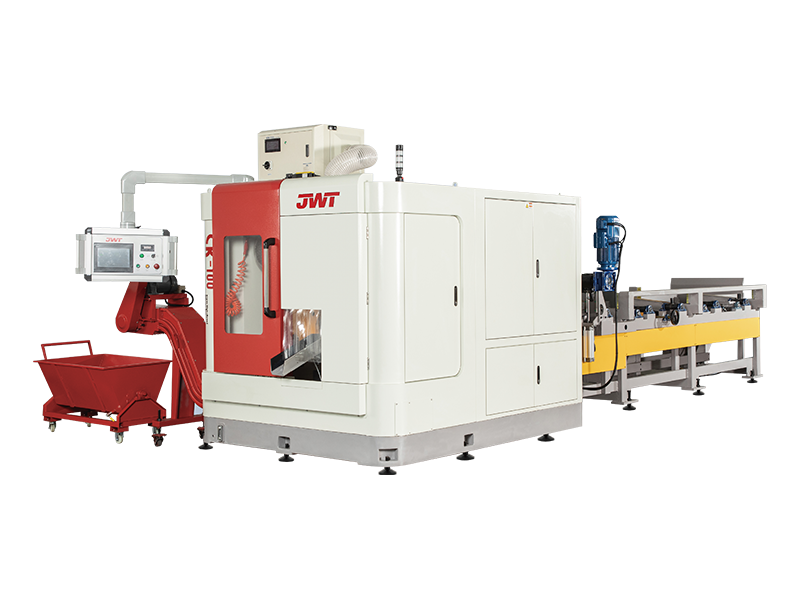
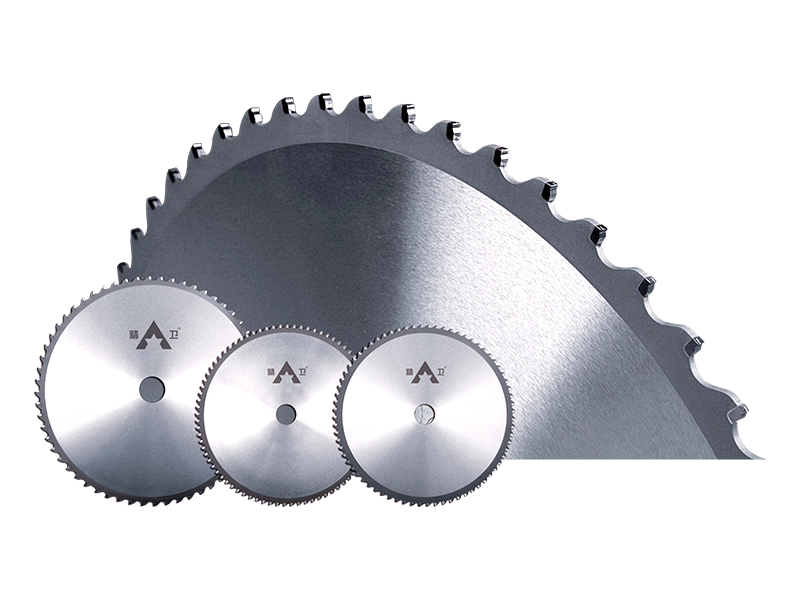
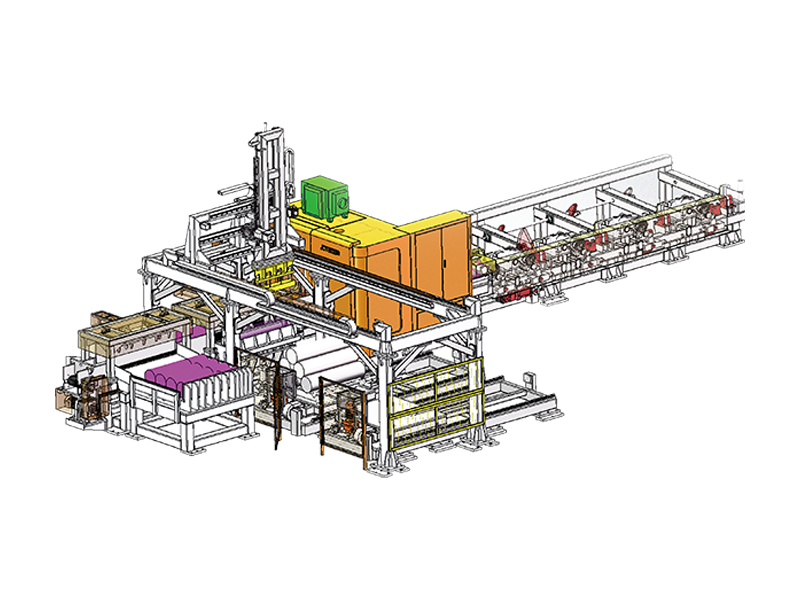
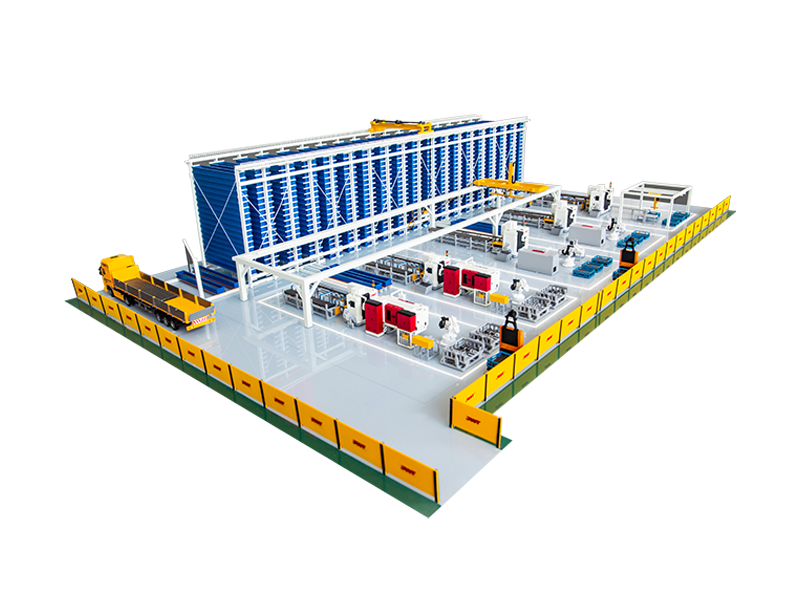
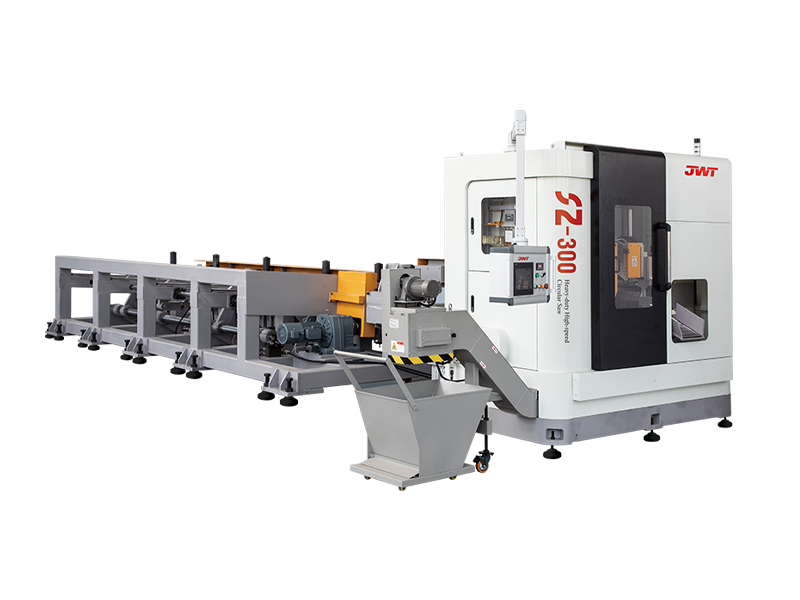
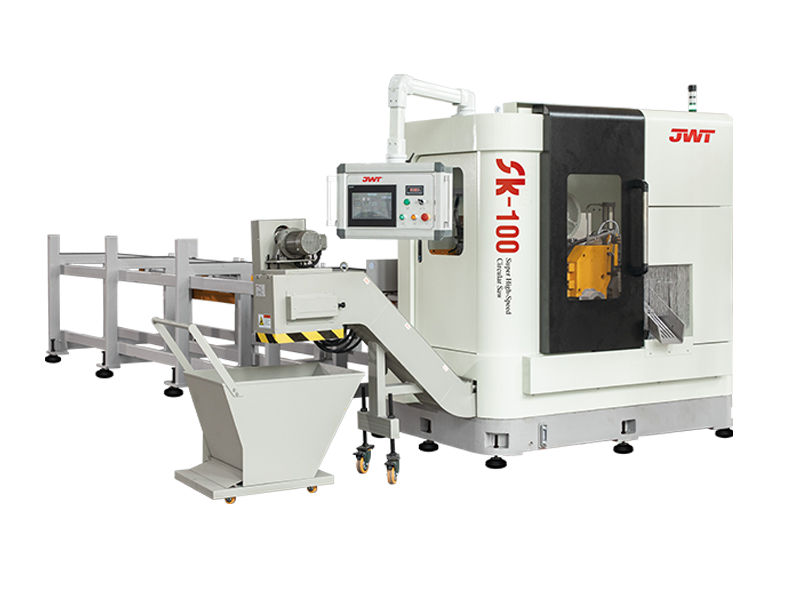

If you are interested in our Circular Saw Machine or production line, please consult us
CONTACT DETAILS
Zhejiang Jingweite Machine Tool Co.,Ltd.
- No.661 Jiyi Road, Wanghai Hi-tech Industrial Park, Haiyan, Jiaxing City, Zhejiang Province
- TEL:+86-0573-86035661
- E-Mail: [email protected]
Products
Quick link
Mobile terminal
