

 中文简体
中文简体 русский
Heavy Duty Saw Machine: How to Choose the Right One for Serious Cutting Work
 2026.04.29
 Industry News
Content
- 1 What Counts as a Heavy Duty Saw Machine
- 2 Types of Heavy Duty Saw Machines and Their Primary Applications
- 3 Key Specifications to Understand Before Buying a Heavy Duty Cutting Saw
- 4 Blade Selection for Heavy Duty Saw Machines
- 5 Safety Features That Matter on Industrial Saw Machines
- 6 Maintenance Requirements for Heavy Duty Saw Machines
- 7 What to Ask Before Buying a Heavy Duty Saw Machine
What Counts as a Heavy Duty Saw Machine
The term "heavy duty saw machine" gets applied loosely in product listings, but in practical terms it refers to a powered cutting machine built for sustained, high-volume, or high-resistance cutting that would overwhelm a consumer-grade tool within a short period of use. The defining characteristics are motor power — typically 2 horsepower and above for workshop machines, rising to 10 HP or more for industrial floor-standing models — combined with a robust cast iron or heavy steel construction that resists vibration, maintains cutting accuracy under load, and tolerates continuous operation without thermal shutdown.
The distinction matters because the gap between a consumer saw and a genuine industrial cutting saw is not just about power — it is about duty cycle, precision under sustained load, component quality, and serviceability. A consumer circular saw rated at 1,800W may cut through hardwood cleanly on its first pass, but run it for six hours a day on a construction site and the bearings, brushes, and blade mounting will degrade rapidly. A heavy duty saw machine is engineered with all of these operational demands factored into the design from the outset, using commercial-grade motors, reinforced tables, precision-ground fences, and components rated for thousands of operating hours rather than hundreds.
Types of Heavy Duty Saw Machines and Their Primary Applications
Heavy duty sawing covers a wide range of cutting tasks across wood, metal, stone, and composite materials. Different machine types are optimised for different cutting geometries and material types. Choosing the wrong category of saw — regardless of how powerful it is — results in poor cut quality, accelerated blade wear, and unnecessary operator fatigue.
Industrial table saw
The industrial table saw is the central machine in most serious woodworking operations. A heavy duty table saw features a cast iron table surface for rigidity and vibration damping, a cabinet-enclosed motor of 3 HP or more running on a 240V or three-phase supply, a precision T-slot or Biesemeyer-style fence system, and a blade arbour running on sealed bearings for long-term accuracy. They are used for ripping solid timber and sheet goods, cross-cutting dimensional lumber, and making precision dado or rebate cuts. Industrial table saws from manufacturers such as SawStop, Powermatic, and SCM are designed for all-day operation in production environments.
Heavy duty band saw machine
A heavy duty band saw uses a continuous looped blade running between two or more wheels to make straight, curved, or irregular cuts through wood, metal, or meat depending on blade specification. Industrial band saws are floor-standing machines with wheel diameters of 18 inches and above, cast iron tables, and motors from 1.5 to 5 HP. They excel at resawing thick timber — cutting boards along their width to produce thinner slabs — and at cutting curves in stock too thick for a scroll saw. Metal-cutting band saws use slower blade speeds and bi-metal or carbide blades, and are a standard fixture in fabrication shops for cutting steel bar, tube, and structural sections.
Cold saw and circular cold saw machine
Cold saws are heavy duty metal cutting machines that use a toothed circular blade rotating at relatively low RPM to cut ferrous and non-ferrous metals without generating the heat associated with abrasive cutting. The blade transfers heat into the chip rather than the workpiece or blade, which produces a clean, burr-free cut with no hardening of the cut face — an important consideration when cut edges will be welded or machined. Cold saw machines are a standard tool in steel fabrication, HVAC duct manufacture, and precision metalwork. They range from semi-automatic bench-top models to fully automatic CNC cold saws used in high-volume production.
Reciprocating and demolition saw machines
In construction and demolition contexts, heavy duty reciprocating saw machines — including large-format demo saws and electric reciprocating saws rated above 1,500W with stroke lengths of 32mm or more — are used for cutting through mixed materials including timber with embedded nails, cast iron pipe, structural steel, and masonry with appropriate blades. These machines prioritise raw cutting aggression and durability over precision, and are designed for site conditions including dust, moisture, and rough handling. Milwaukee's M18 FUEL Sawzall range and Bosch's GSA 1300 PCE are examples of the professional end of this category.
Panel saw and beam saw machine
Panel saws and beam saws are large-format cutting machines designed for processing full sheets of plywood, MDF, particleboard, and solid timber panels. Vertical panel saws use a sliding carriage running on a vertical frame to guide a circular saw unit across full 8×4 foot and larger sheets, allowing accurate ripping and cross-cutting of sheet goods without the handling challenges of feeding large panels through a table saw. Horizontal beam saws — common in cabinet making and kitchen manufacturing — are CNC or semi-automated machines capable of programmed cutting sequences across full production batches. Both machine types require significant floor space and are typically found in production workshops rather than small trade operations.
Key Specifications to Understand Before Buying a Heavy Duty Cutting Saw
Manufacturer specifications for industrial saw machines can be technically dense. Understanding which figures actually matter for your application — and which are marketing noise — makes comparison between models significantly more straightforward.
| Specification | What it means | Why it matters |
| Motor power (HP / kW) | Continuous output power of the drive motor | Determines cutting capacity in dense materials and sustained performance under load |
| Duty cycle | Percentage of time the machine can run continuously | 100% duty cycle machines run indefinitely; lower ratings indicate rest periods are needed to prevent overheating |
| Blade / arbour speed (RPM) | Rotational speed of the blade | Must match blade specification; too fast causes heat and blade damage, too slow produces poor cut quality |
| Maximum depth of cut | Deepest cut possible at 90° to the table | Determines maximum material thickness the machine can process in a single pass |
| Rip capacity | Maximum distance between blade and fence | Determines the widest rip cut possible; critical for sheet goods processing |
| Table material and dimensions | Table surface specification | Cast iron damps vibration and resists flex; larger tables support bigger workpieces more safely |
| Power supply requirement | Single phase 240V, three phase, or specific amperage | Three-phase machines require industrial power supply; verify your workshop supply before purchasing |
One specification that is frequently misrepresented in product listings is motor power. Consumer and semi-professional machines often quote peak or maximum input power in watts rather than continuous output power in horsepower — a 2,400W input rating does not equate to a 3.2 HP machine in practice. For genuine industrial saw machines, look for continuous output horsepower figures confirmed by a recognised testing standard, or treat power claims from unknown brands with appropriate scepticism until corroborated by independent reviews.
Blade Selection for Heavy Duty Saw Machines
A heavy duty saw machine is only as effective as the blade fitted to it. Running the wrong blade for the material or operation is one of the most common causes of poor cut quality, premature blade failure, and in some cases dangerous kickback or blade fracture. Blade selection involves matching several variables simultaneously.
Tooth count and geometry for wood cutting
For table saws and circular saws cutting wood, tooth count is the primary variable. Low tooth counts — 24 to 40 teeth on a 10-inch blade — are designed for ripping with the grain, where fast chip clearance matters more than surface finish. High tooth counts — 60 to 80 teeth — are used for cross-cutting where a smooth, splinter-free finish is the priority. Combination blades with 50 teeth in alternating raker and bevel-top configurations attempt to balance both applications and are the default choice for general workshop use. ATB (Alternate Top Bevel), TCG (Triple Chip Grind), and flat-top grind tooth geometries each suit specific cutting tasks and material types.
Carbide grade and kerf width
Industrial-grade saw blades use micro-grain carbide tips brazed to the blade plate with silver solder rather than the lower-grade carbide and copper-braze construction found in budget blades. The difference in edge retention under sustained cutting is significant — premium carbide holds a sharp edge three to five times longer than standard carbide in comparable conditions. Kerf width — the width of material removed by the cut — affects motor load. Thin-kerf blades (typically 3.0 to 3.2mm) require less power per cut and are preferable on machines at the lower end of the heavy duty power range, while full-kerf blades (3.8 to 4.8mm) are more stable and durable under heavy production use on high-powered machines.
Metal cutting blade specifications
For cold saws and metal-cutting band saws, blade specification diverges significantly from wood cutting. Cold saw blades are typically high-speed steel (HSS) or solid carbide circular blades with fine, closely spaced teeth designed for the low RPM and high torque of cold saw operation. Band saw blades for metal cutting are bi-metal construction — a high-speed steel tooth edge electron-beam welded to a flexible spring steel backing — with tooth pitches measured in TPI (teeth per inch) matched to material thickness. As a general rule, thinner materials require higher TPI to maintain at least three teeth in contact with the workpiece at all times; thicker sections use lower TPI for better chip clearance and reduced blade loading.
Safety Features That Matter on Industrial Saw Machines
Heavy duty saw machines operating in commercial and industrial environments are subject to specific safety requirements under machinery directive regulations in the EU and equivalent OSHA standards in the US. Beyond regulatory compliance, the safety features of an industrial cutting saw are worth evaluating carefully — particularly for operations where multiple operators will use the machine or where untrained staff may be present.
- Blade guards and riving knife: A riving knife — a curved plate aligned behind and close to the blade — is the single most important anti-kickback device on a table saw. It keeps the kerf open as the workpiece passes through, preventing the wood from closing around the blade and being thrown back at the operator. Any serious industrial table saw should include a riving knife or splitter as standard, not as an optional accessory.
- Anti-kickback pawls: Paired with the riving knife, anti-kickback pawls are toothed fingers that allow the workpiece to move forward through the blade but dig in and arrest it if it begins to move backwards. They are standard on well-specified table saws and can prevent serious injury in the event of blade pinch.
- Flesh detection technology: SawStop and a growing number of competing systems use electrical sensing to detect contact between skin and the blade, triggering a braking cartridge that stops the blade within milliseconds. This technology has prevented thousands of serious blade contact injuries since its introduction and is increasingly specified in professional workshop environments where the injury cost and liability exposure of a table saw accident significantly outweigh the cost of the system.
- Emergency stop and brake systems: Industrial band saws, cold saws, and panel saws should include clearly marked and accessible emergency stop buttons with machine braking — not just power cut-off. A blade that freewheels for 30 seconds after power is cut remains a serious hazard. Dynamic braking stops the blade within two to five seconds of activation on well-specified machines.
- Dust extraction integration: Beyond respiratory health protection, effective dust extraction on heavy duty woodworking saws reduces the fire risk from accumulated fine dust — a genuine hazard in high-production environments. Look for machines with integrated dust ports sized for industrial extraction systems (100mm diameter and above) rather than the undersized ports common on consumer machines.
- Overload protection: Industrial motors should include thermal overload protection that shuts the machine down before the motor is damaged by sustained overloading, rather than simply burning out. Some machines include soft-start electronics that reduce start-up current surge, which both protects the motor and reduces tripping on circuits already carrying significant load.
Maintenance Requirements for Heavy Duty Saw Machines
Industrial saw machines are significant capital investments, and maintaining them correctly protects both the investment and the quality of output. Most heavy duty cutting saws have straightforward maintenance requirements, but they are frequently neglected in busy workshop environments with predictably expensive consequences.
Daily and per-session checks
- Inspect the blade for missing or chipped teeth, resin build-up, and any visible cracks in the blade plate. A damaged blade should be removed immediately — running a cracked blade at speed is a serious safety risk.
- Check that the fence is parallel to the blade and that all locking mechanisms engage firmly. A fence that deflects under cutting pressure produces tapered cuts and increases kickback risk.
- Clear dust and chip build-up from the blade guard, dust extraction port, and motor housing vents. Blocked vents cause motor overheating; dust accumulation on rotating components increases vibration and imbalance.
Weekly and monthly maintenance
- Lubricate the rise-and-fall and tilt mechanisms on table saws with a light machine oil or dry PTFE lubricant. Avoid heavy grease on these mechanisms as it attracts and holds sawdust, which then acts as an abrasive.
- Check blade alignment — both parallel to the mitre slots and perpendicular to the table at 90° — and adjust as needed. On cast iron table saws, alignment is adjusted via the trunnion mounting bolts and should be checked monthly or after any machine movement.
- Inspect drive belts on belt-driven machines for wear, cracking, and correct tension. A slipping belt causes power loss and inconsistent blade speed; an overtensioned belt accelerates bearing wear.
- Clean and wax the cast iron table surface with a paste wax or dedicated cast iron surface treatment to prevent rust and reduce workpiece friction. Never use silicone-based products on woodworking saw tables as silicone contamination prevents paint adhesion on subsequently finished workpieces.
What to Ask Before Buying a Heavy Duty Saw Machine
Purchasing an industrial saw machine is a significant decision. Beyond comparing specifications, a number of practical considerations determine whether a machine will actually deliver the value it promises in your specific operation:
- Is spare parts availability confirmed? Industrial machines have long service lives, but they need parts — blades, bearings, belts, braking cartridges, fence components. Confirm that the supplier or manufacturer holds stock of consumable and wear parts in your region. A machine whose parts must be imported from overseas on a six-week lead time will cause significant operational disruption when something needs replacement.
- What is the warranty and who services it? Industrial machine warranties vary from one year to five years depending on manufacturer and class. More important than the warranty period is who carries out warranty work — an on-site service engineer is very different from having to ship a 400kg machine back to a service centre. Confirm the service model before purchasing.
- Does your electrical supply match the machine requirements? Three-phase machines offer better motor performance and efficiency but require a three-phase supply that many smaller workshops and construction sites do not have. Confirm the supply voltage, phase, and available amperage before committing to a specific machine. Upgrading electrical supply is a significant additional cost that is often overlooked in budgeting.
- Can you see the machine demonstrated under load? Specifications and dealer descriptions tell you what a machine is designed to do. Seeing it cut the material you will actually be processing — at the feed rates you expect to use — tells you whether it actually delivers in practice. Reputable industrial machine suppliers should be willing to arrange a demonstration before a purchase of this scale.
- What is the floor space and installation requirement? Heavy duty saw machines often require more floor space than their footprint alone suggests — outfeed space for long workpieces, clearance for blade changes, and access for maintenance all add to the real space requirement. Factor in machine weight for floor loading considerations, and confirm whether installation requires specialist riggers or can be handled by a standard delivery team.
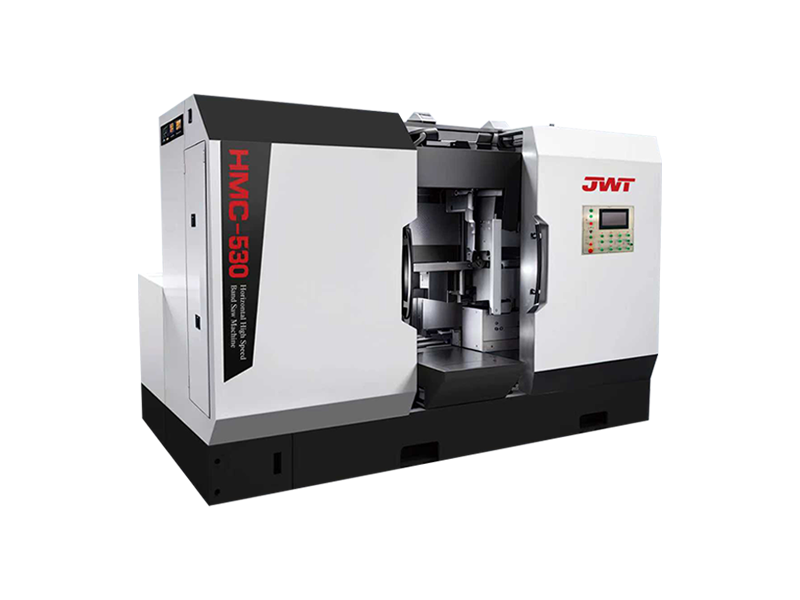
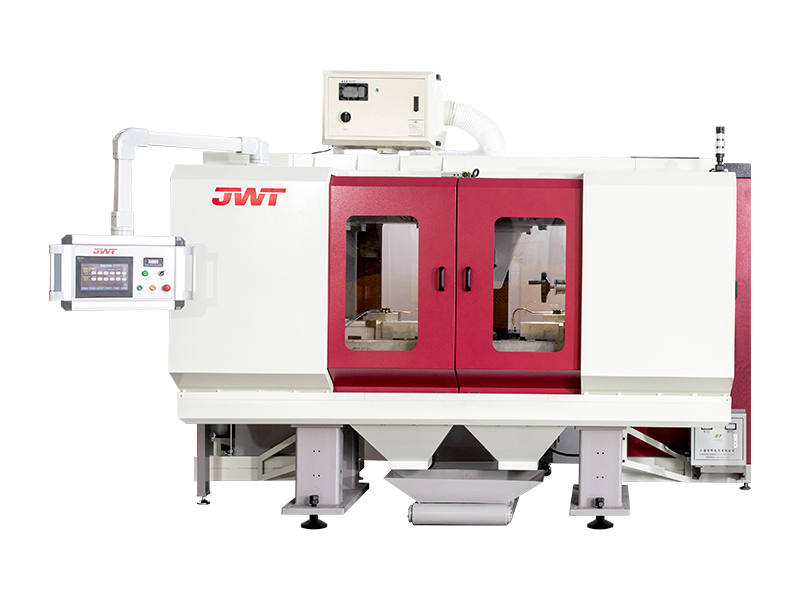
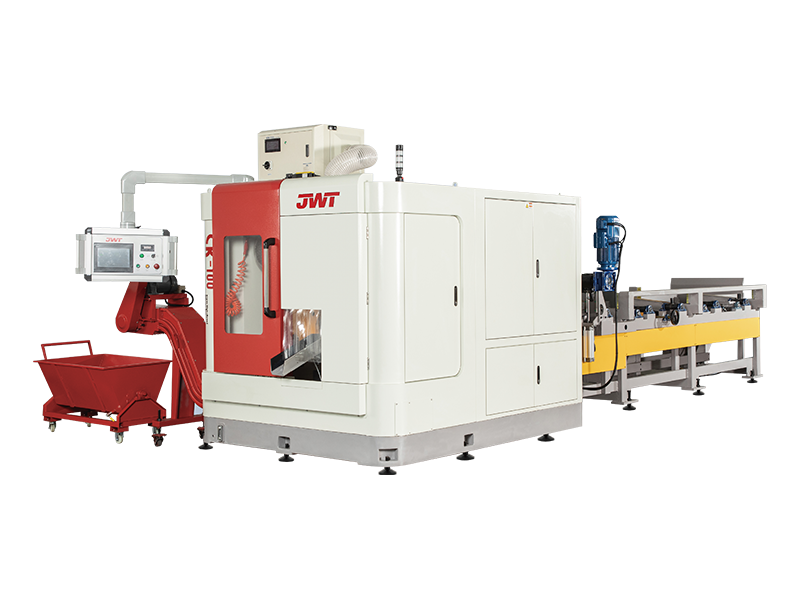
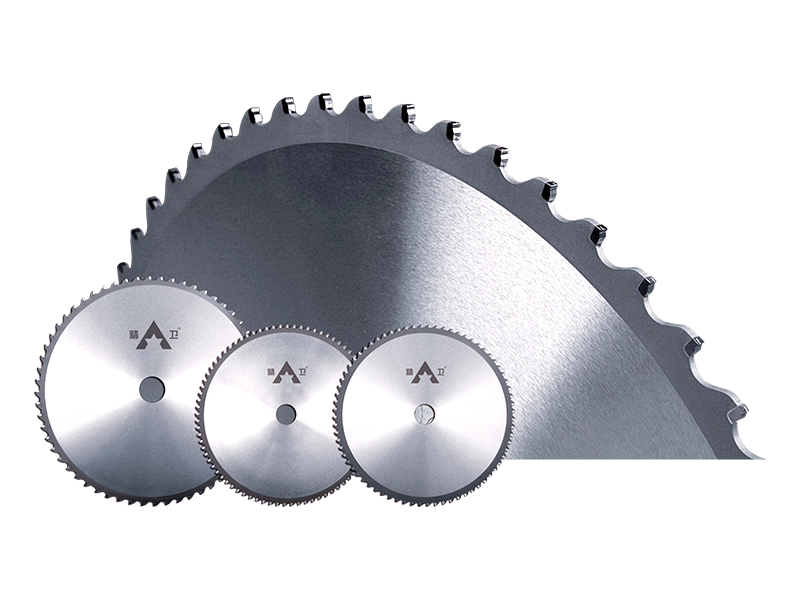
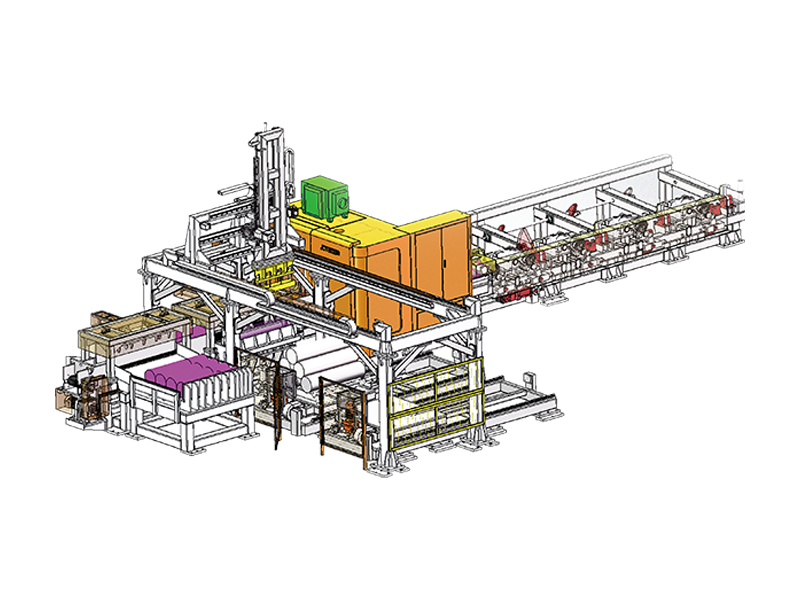
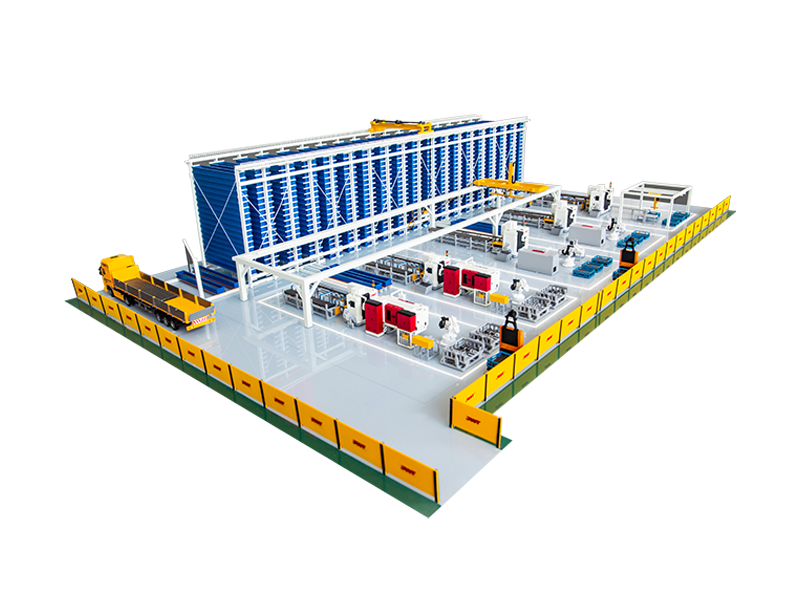
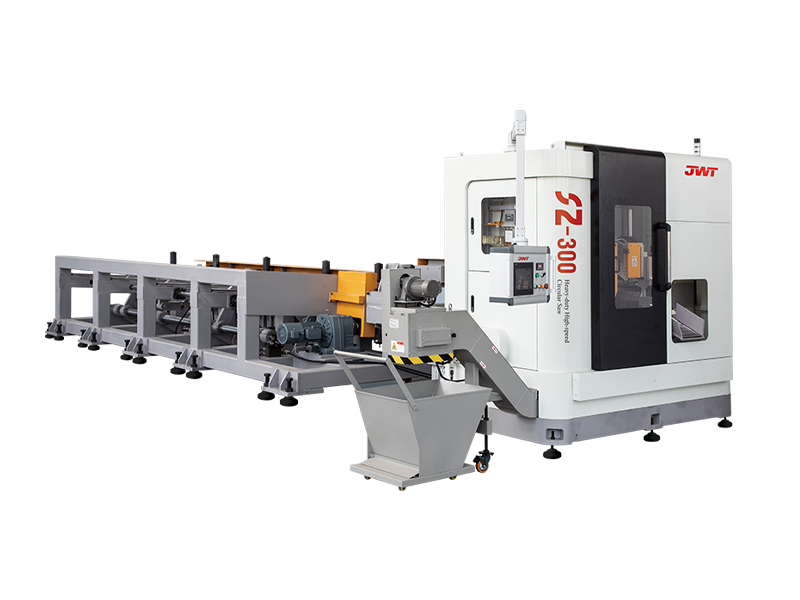
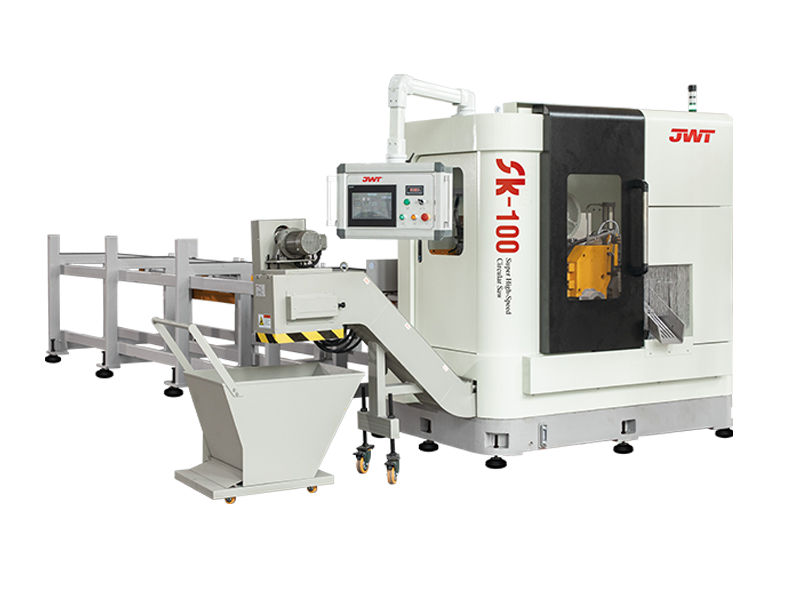

If you are interested in our Circular Saw Machine or production line, please consult us
CONTACT DETAILS
Zhejiang Jingweite Machine Tool Co.,Ltd.
- No.661 Jiyi Road, Wanghai Hi-tech Industrial Park, Haiyan, Jiaxing City, Zhejiang Province
- TEL:+86-0573-86035661
- E-Mail: [email protected]
Products
Quick link
Mobile terminal
