

 中文简体
中文简体 русский
Circular Saw Machine: Types, Blades, and How to Use One the Right Way
 2026.05.18
 Industry News
Content
- 1 What Is a Circular Saw Machine and How Does It Work?
- 2 Types of Circular Saw Machines Explained
- 3 Key Specs to Understand Before Buying a Circular Saw Machine
- 4 Choosing the Right Circular Saw Blade for the Job
- 5
- 6 How to Use a Circular Saw Machine Safely and Accurately
- 7 Circular Saw Machine Maintenance Tips to Extend Its Life
What Is a Circular Saw Machine and How Does It Work?
A circular saw machine is a power tool that uses a toothed, round blade spinning at high speed to cut through materials — most commonly wood, but also metal, plastic, masonry, and composite materials depending on the blade used. The blade rotates continuously in one direction, and the tool is either pushed through the material (handheld models) or the material is fed into the blade (stationary table-mounted models).
The core mechanism is simple: an electric motor (or battery, on cordless models) drives a spindle that spins the circular blade at speeds typically ranging from 3,500 to 5,800 RPM. A blade guard covers the upper half of the blade at all times and retracts automatically as the saw cuts into the material, then snaps back into place when the cut is complete. The depth and angle of the cut are controlled by adjustable base plates and bevel settings on the saw body.
Circular saw cutting machines are one of the most versatile power tools in any workshop or job site. A single machine, paired with the right blade, can handle everything from rough lumber framing to fine finish cuts in plywood — making it an essential tool for carpenters, contractors, DIYers, and woodworkers alike.
Types of Circular Saw Machines Explained
Not every circular saw is designed the same way, and choosing the wrong type for your application leads to poor results and unnecessary frustration. Here's a breakdown of the main types of circular saw machines and what each is best suited for:
Sidewinder (Inline) Circular Saw
The sidewinder is the most common type of handheld circular saw machine. The motor sits directly beside the blade on the same axis, making it compact, lightweight, and fast-spinning. Most corded sidewinders run at 5,000–5,800 RPM, giving them excellent cutting speed through softwoods and sheet goods. They're the go-to choice for framing carpenters and general construction work. The main trade-off is that the blade is on the right side of the motor, which can obstruct the sight line for right-handed users.
Worm Drive Circular Saw
A worm drive saw positions the motor behind the blade rather than beside it, connected via a worm gear. This configuration delivers higher torque at lower RPM — typically around 4,500 RPM — making it better suited for cutting hardwoods, thick lumber, and wet or pressure-treated wood. Worm drive circular saws are heavier and longer than sidewinders, but the blade is on the left side, giving right-handed users a clear line of sight along the cut. They're favored by professionals on demanding job sites, particularly in the western United States.
Cordless Circular Saw
Battery-powered circular saws have improved dramatically in recent years. Modern 20V and 60V brushless cordless circular saws can match the performance of corded models for most tasks, with the added benefit of portability. They're ideal for job sites without reliable power access, trim work, or outdoor projects. Battery life and blade size (most cordless saws use 6½-inch rather than 7¼-inch blades) are the primary limitations to keep in mind.
Table Saw (Stationary Circular Saw)
A table saw is a stationary circular saw machine where the blade protrudes through a flat table surface and the workpiece is fed into it. This setup provides far greater accuracy for repetitive rip cuts (cuts along the grain) and allows the use of fences and miter gauges for precision work. Table saws are the centerpiece of most woodworking shops but are large, heavy, and not portable.
Track Saw (Plunge-Cut Circular Saw)
A track saw is a specialized circular saw that rides along an aluminum guide rail (track), allowing for extremely straight, splinter-free cuts in sheet goods like plywood and MDF. It can also plunge directly into a panel without needing to start from an edge — a useful feature for cutting out sink holes or panels. Track saws are popular with cabinet makers and finish carpenters who need table-saw-level precision without the bulk.
| Type | Portability | Best For | Typical Blade Size | Skill Level |
| Sidewinder | High | Framing, general cuts | 7¼ inch | Beginner–Pro |
| Worm Drive | Medium | Hardwood, heavy lumber | 7¼ inch | Intermediate–Pro |
| Cordless | Very High | Job site, outdoor work | 6½ inch | Beginner–Pro |
| Table Saw | None | Precision rip cuts | 10 inch | Intermediate–Pro |
| Track Saw | High | Sheet goods, fine cuts | 6⅜–7¼ inch | Intermediate–Pro |
Key Specs to Understand Before Buying a Circular Saw Machine
Walking into a hardware store or browsing online without understanding the core specs of a circular cutting machine is a recipe for buying the wrong tool. Here are the numbers that actually matter:
Blade Size
The most common blade size for a full-size handheld circular saw machine is 7¼ inches. This size can cut through a 2x4 at 90 degrees in a single pass, and can make bevel cuts through 2-inch thick lumber at 45 degrees. Smaller 6½-inch blades are common on cordless saws and compact models — they work fine for plywood and thinner lumber but can't handle the thickest dimensional lumber in one pass. Larger 10-inch blades are standard on table saws for maximum depth of cut.
Motor Amperage and Power
For corded circular saws, motor power is rated in amps. Most mid-range saws fall in the 13–15 amp range, which is plenty for general construction and woodworking. Anything below 12 amps will struggle with hardwoods or thick stock. For cordless models, look at the voltage (20V, 60V) and whether the motor is brushless — brushless motors are more efficient, run cooler, and last significantly longer than brushed motors.
Depth of Cut
A 7¼-inch circular saw typically offers a maximum cutting depth of around 2½ inches at 90 degrees and about 1¾ inches at 45 degrees. For most framing and woodworking tasks, this is sufficient. If you frequently cut thicker materials like doubled-up lumber, engineered beams, or thick hardwood slabs, you may need a larger saw or multiple passes.
Bevel Capacity
Most circular saw machines can tilt the base plate to cut angles — this is called the bevel adjustment. Standard saws offer a bevel range of 0 to 45 degrees. Higher-end models go to 56 degrees, which is useful for cutting compound angles on crown molding or trim work. Look for saws with positive bevel stops at 22.5 and 45 degrees for quick, repeatable angle cuts.
Base Plate Material
The base plate (also called the shoe) is the flat platform that rests on the workpiece as you cut. Budget saws use stamped steel bases that can flex and warp over time. Mid-range and professional models use cast aluminum or magnesium base plates that are rigid, lightweight, and more accurate. A flat, stable base plate is critical for straight, consistent cuts — especially on long panels.
Choosing the Right Circular Saw Blade for the Job
The circular saw blade you use matters just as much as the machine itself. Using the wrong blade causes burning, tear-out, rough edges, or even dangerous kickback. Here's how to match the blade to the material and task:
- Framing / ripping blade (16–24 teeth): Fewer teeth mean faster, rougher cuts. Use this for cutting dimensional lumber quickly along or across the grain. The cut surface won't be pretty, but you don't need it to be for structural work.
- Combination blade (40 teeth): A versatile middle-ground blade that handles both rip cuts and crosscuts acceptably. A good everyday blade for general woodworking and jobsite use.
- Fine finish blade (60–80 teeth): High tooth count produces smooth, splinter-free cuts ideal for plywood, melamine, laminates, and hardwood panels where appearance matters.
- Metal-cutting blade: Specially designed with carbide-tipped teeth or abrasive discs for cutting aluminum, steel, or copper pipe. Never use a wood blade on metal — it's dangerous and destroys the blade.
- Diamond blade: Used for cutting masonry, tile, concrete, and stone. These blades have no teeth — instead, they use a diamond-embedded rim to grind through hard materials.
- Dado / specialty blades: Some table saws accept stacked dado blade sets for cutting wide grooves (dadoes) in wood — used in cabinet and furniture joinery.
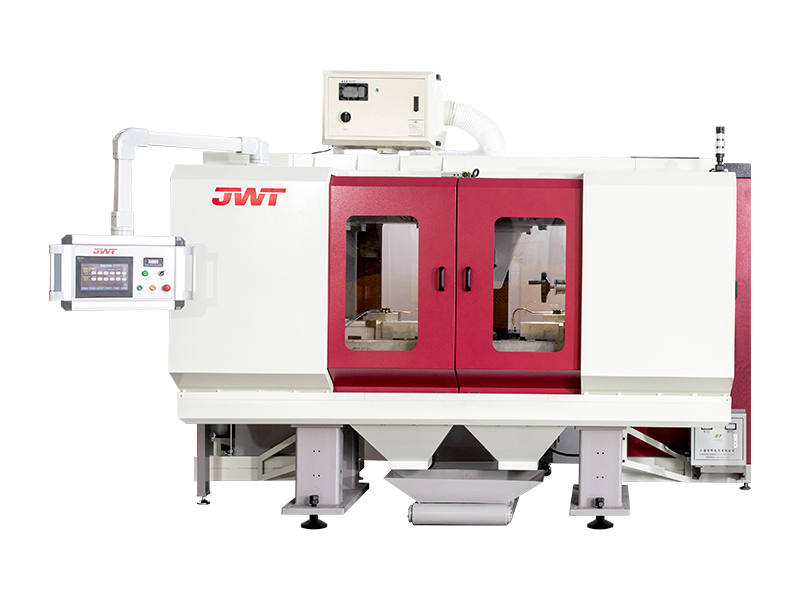
How to Use a Circular Saw Machine Safely and Accurately
A circular saw cutting machine is powerful and can cause serious injury if used carelessly. But with proper technique and safety habits, it's one of the easiest power tools to use effectively. Here are the key practices:
Personal Protective Equipment
Always wear safety glasses or goggles — sawdust and wood chips fly at speed and can cause eye injuries. Use hearing protection for extended use, as circular saws typically produce 95–105 dB of noise. A dust mask is recommended when cutting MDF, treated lumber, or composite materials that produce fine, harmful dust particles.
Securing the Workpiece
Never hold the material with your hand while cutting. Clamp the workpiece firmly to sawhorses or a workbench so it can't move during the cut. Ensure the offcut side (the piece that will fall away) has room to drop freely without pinching the blade — a pinched blade causes dangerous kickback that can throw the saw back toward you.
Setting the Correct Blade Depth
Set the blade depth so it extends only about ¼ inch below the bottom of the material you're cutting. Exposing more blade than necessary increases the risk of kickback and reduces control. To set depth, loosen the depth adjustment lever, place the saw base on the edge of the board, align the blade to the desired depth, and re-tighten the lever.
Making Straight Cuts with a Guide
Freehand circular saw cuts almost always drift slightly without a guide. For straight cuts in sheet goods or long lumber, clamp a straight piece of wood or an aluminum straightedge to the workpiece as a fence, then run the saw base plate along it. This eliminates drift and produces a cut as straight as a table saw's. Many circular saw machines also accept a rip fence accessory that mounts directly to the base plate for parallel cuts along an edge.
Avoiding Kickback
Kickback happens when the blade gets pinched or catches on the material, causing the saw to jerk violently back toward the operator. To prevent it: always cut with a sharp blade (dull blades bind more easily), support both sides of the cut near the end of the pass, keep the blade guard functioning and never remove it, and stand slightly to the side of the blade's path rather than directly behind it.
Circular Saw Machine Maintenance Tips to Extend Its Life
A well-maintained circular saw machine lasts decades and performs better with every cut. Neglected saws develop alignment problems, burn marks, and safety issues. Here's what regular maintenance looks like:
- Keep the blade sharp: A dull blade requires more motor effort, produces rougher cuts, and increases the risk of kickback. Replace or sharpen blades when you notice burning on cut edges or when the saw has to be forced through the material.
- Clean sawdust from vents: Dust buildup in the motor vents reduces airflow and causes the motor to overheat. Use compressed air to blow out vents after heavy use sessions.
- Check the blade guard regularly: The retractable blade guard should snap back quickly and smoothly after each cut. If it sticks or moves sluggishly, clean away resin buildup with a solvent and check the spring tension.
- Inspect the power cord: On corded saws, check the cord regularly for cuts, fraying, or damage near the plug and tool body. A damaged cord is an electrocution risk and should be replaced immediately.
- Lubricate moving parts: The bevel and depth adjustment mechanisms can become stiff over time. A small amount of dry lubricant or light machine oil on pivot points keeps adjustments smooth and accurate.
- Store properly: Keep the saw in a dry environment, ideally in its case or hanging on a wall mount. Avoid leaving it on damp concrete floors, which can corrode the base plate and internal components over time.
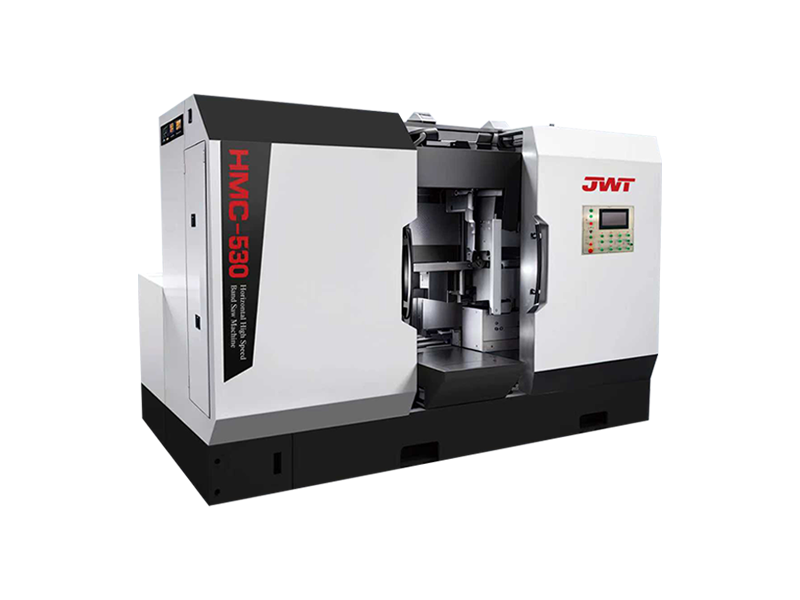
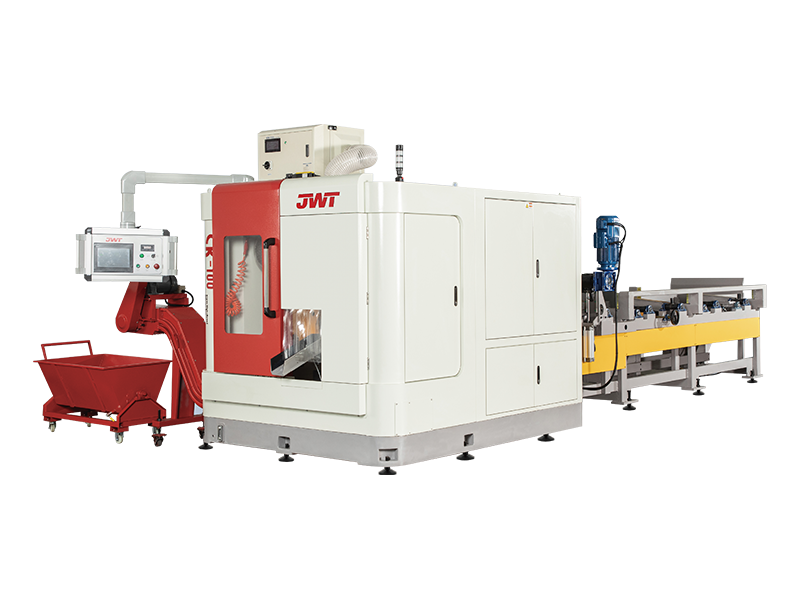
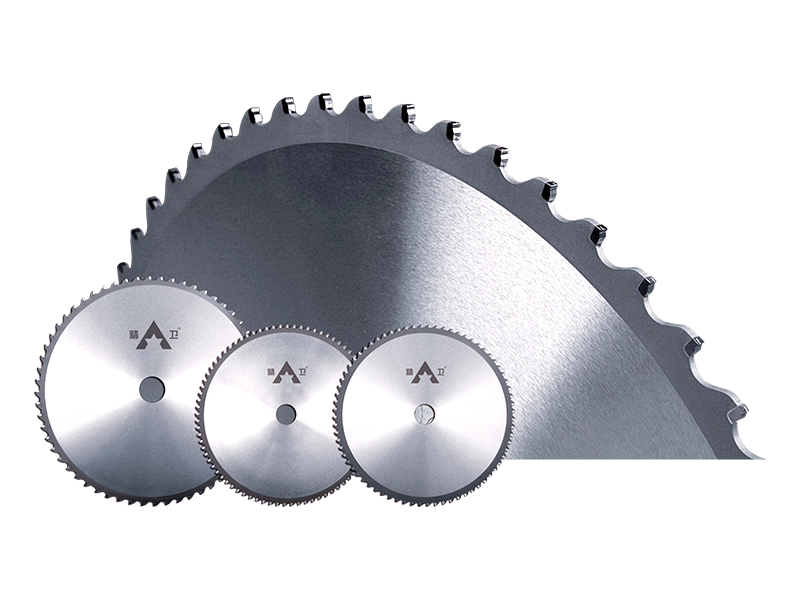
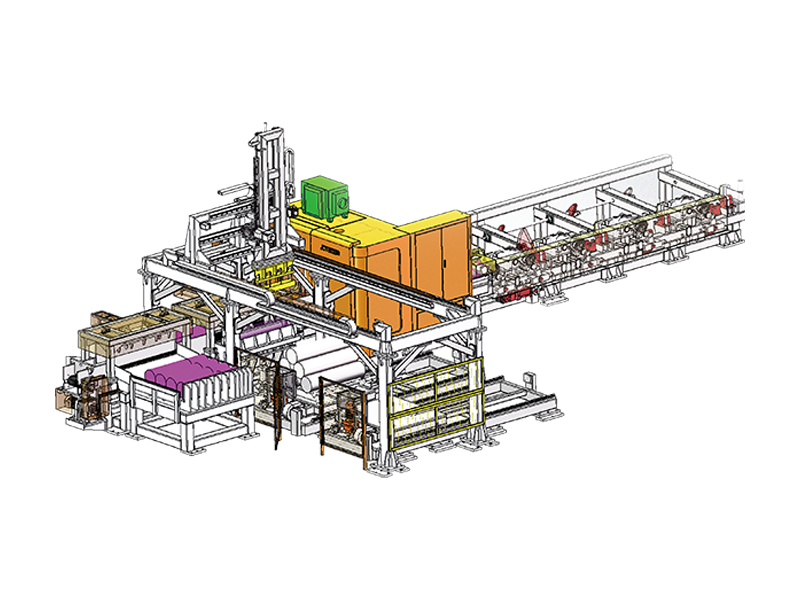
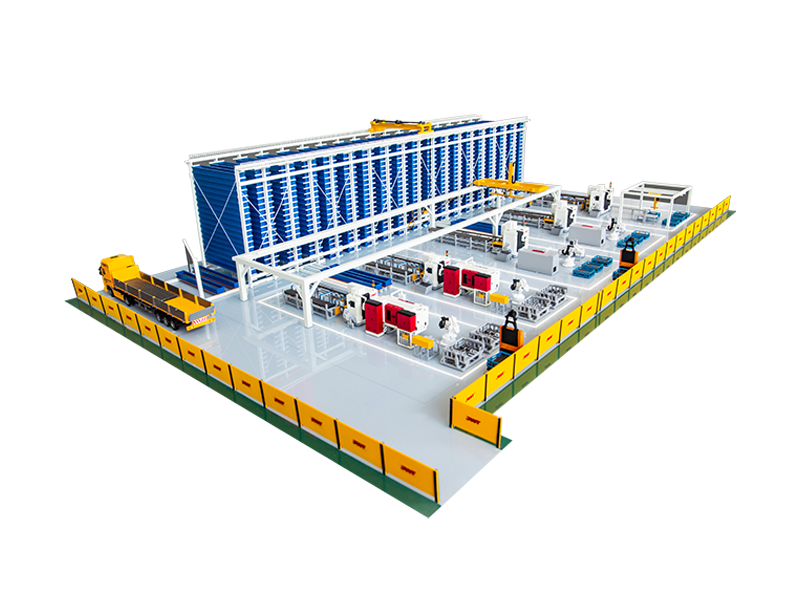
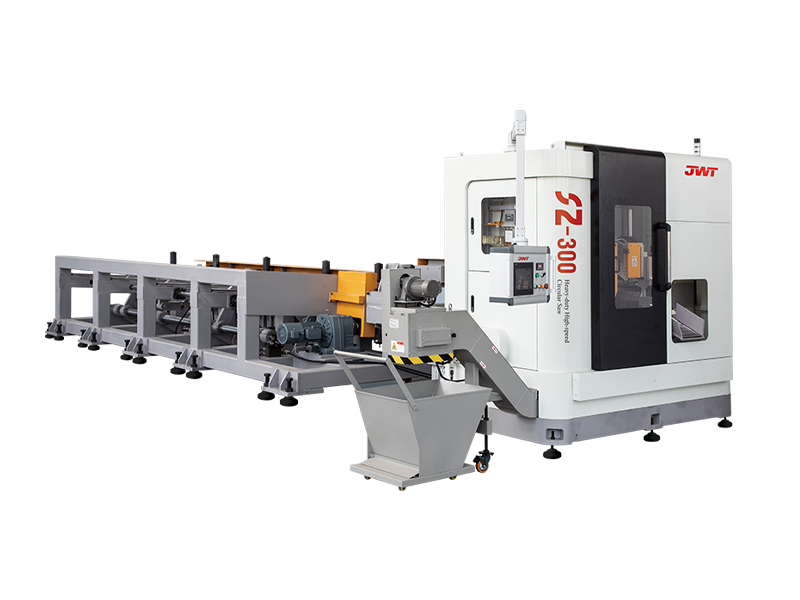
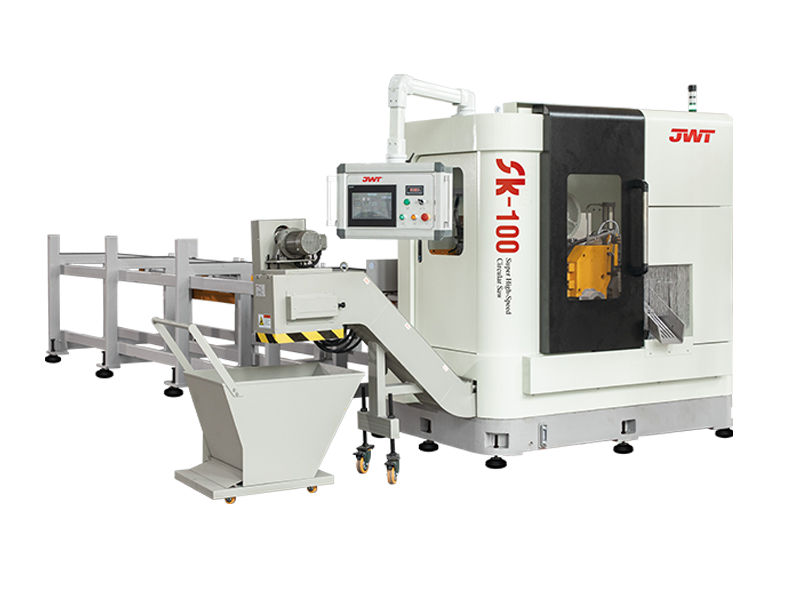

If you are interested in our Circular Saw Machine or production line, please consult us
CONTACT DETAILS
Zhejiang Jingweite Machine Tool Co.,Ltd.
- No.661 Jiyi Road, Wanghai Hi-tech Industrial Park, Haiyan, Jiaxing City, Zhejiang Province
- TEL:+86-0573-86035661
- E-Mail: [email protected]
Products
Quick link
Mobile terminal
